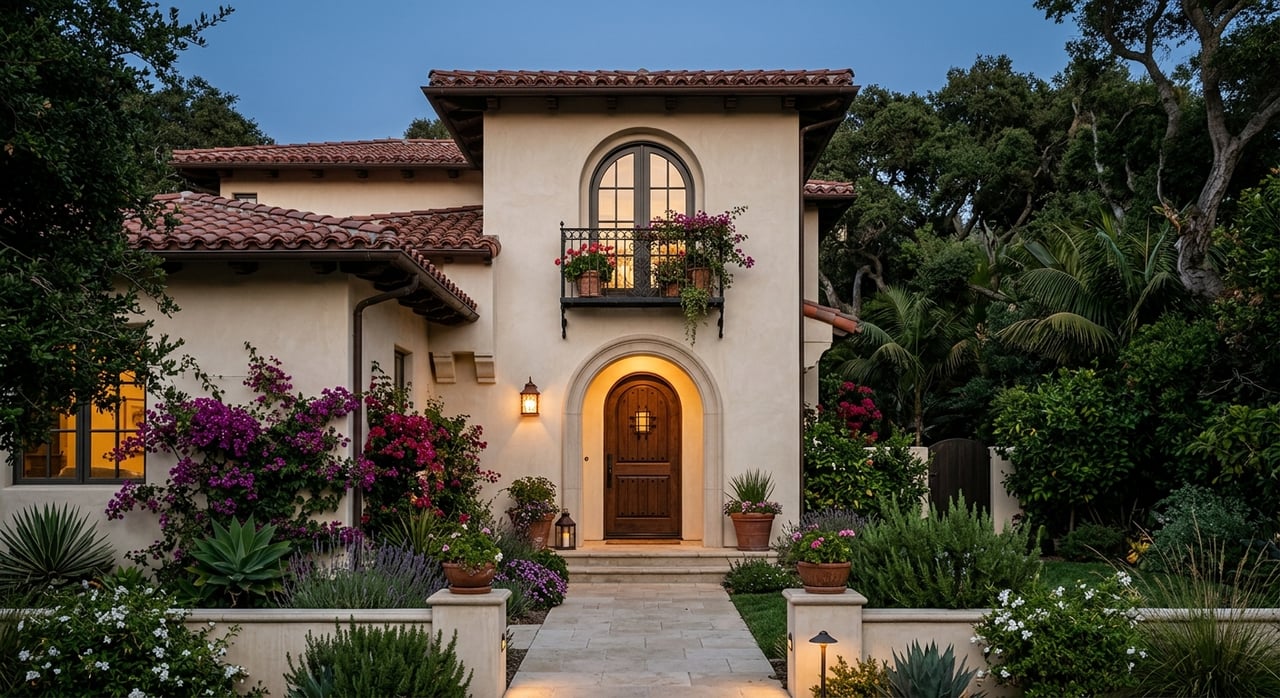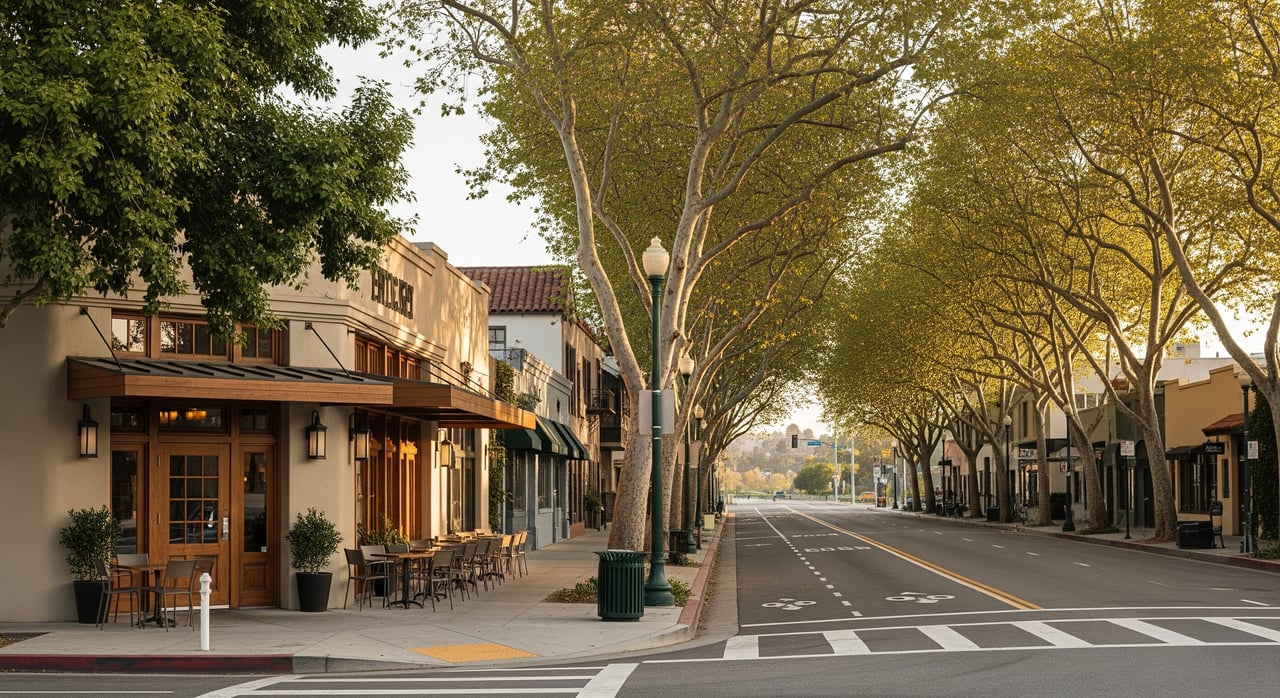
The Italian deli and pasta maker Ferrazzani's Pasta & Market has run its storefront on Lincoln Avenue in Pasadena since 2017, comfortably outside the Eaton Fire's burn perimeter. This month, owner Leah Ferrazzani confirmed the shop is packing up that address and moving four blocks north, across the Pasadena-Altadena line, into a new building at 2082 Lincoln Avenue, with a January 2027 opening planned.
If you live in Altadena, you have probably noticed that the story of "recovery" here isn't one story. It's at least three, running at different speeds on the same handful of blocks. Reading the restaurant scene right now, block by block, tells you more about where this town actually stands than any recap of what burned.
Two Doors Down From Each Other
Start with Mariposa Junction, the small commercial strip at Lake Avenue and Mariposa Street. Chef Tyler Wells' restaurant there had been open for 31 nights, then called Bernee, when the Eaton Fire tore through in January 2025. His home burned to the ground. The restaurant itself survived with only minor damage. By late August 2025, Wells reopened it under a new name, Betsy, given for his mother, and by November 22 he was cutting the ribbon on it as part of Mariposa Junction's "Rising Together" reopening celebration, one of the first large public gatherings the neighborhood held after the fire.
That alone would be a recovery story. Wells didn't stop there. In April 2026, less than five months after that ribbon cutting, he opened a second concept a few doors down the same block: Bar Betsy, an all-day cafe that turns into a wine bar at night, with chef Avanthi Dev running daily service alongside Betsy's executive chef Paul Downer. The menu leans into what Wells calls sunny, simple food, roast-carrot sandwiches, hearth-fired pecan cinnamon buns, heirloom-grain grits with thick-cut bacon. The team also converted a small alley lot, formerly nursery space for the neighborhood's since-burned hardware store, into garden boxes growing tomatoes, berries, and citrus for both kitchens.
"Having those 30 days and having it taken away puts a different perspective on it," Wells said of the fire in a quote published by Yahoo Lifestyle.
The pace matters more than the sentiment. Fifteen months after the fire, Wells had opened a second business on the same block, a visible addition to Mariposa Junction's commercial recovery.
The Three Speeds of Recovery
Not every business on Lake Avenue is moving at that pace, and the gap between them is the real story here. As of a November 2025 estimate, nearly 1,900 small businesses within the fire's burn zones were destroyed or displaced, supporting roughly 11,400 jobs. Behind that single number are three distinct paths, and you can map them by walking a few blocks of Lake Avenue.
| What's happening | Example | What it tells you |
|---|---|---|
| New openings and moves | Betsy and Bar Betsy at Mariposa Junction; Ferrazzani's relocating in from Pasadena | Operators expanding locally or moving into the area |
| Surviving, but on a different crowd | Fairoaks Burger, a neighborhood diner open since the late '80s | Business is steady at lunch mainly because it feeds rebuild crews checking on properties, not the residents who used to fill the morning and evening rush |
| Still in planning limbo | Café de Leche, Fox's, Pizza of Venice, Altadena Hardware | A year or more after the fire, these owners are still weighing insurance, construction costs, and whether enough customers will be back to justify rebuilding at all |
Café de Leche's owners shared design renderings for a rebuild in November 2025 but have not announced a reopening date. Fox's, the diner-turned-house on Lake Avenue known for its veggie burger and homemade pies, has co-owners who remain undecided about whether to rebuild at all, citing the cost of reconstructing a small footprint. Pizza of Venice, the pizzeria locals called POV, sat in a building the owner's grandfather built in 1962. Twelve years into running it, the owner is still weighing whether a rebuild pencils out. Altadena Hardware's owner has said publicly it could take five years to reopen at the original site, a building that once employed 21 people.
None of these owners are wrong to be cautious. A destroyed structure, new building code requirements, and an uncertain customer base are real math, not sentiment. But sitting that math next to Wells opening a second business in under five months, or Ferrazzani's relocating from Pasadena into Altadena, shows you that "Altadena is recovering" isn't a single fact. It's a spread of decisions, and the food scene is where you can see the spread most clearly, because restaurants make their plans public through a lease and an opening date, faster than almost any other kind of business.
The One Thing That Never Stopped
While all of that has been sorting itself out, one piece of the food scene never paused. The Altadena Farmers' Market has run every Wednesday at Loma Alta Park since 2012, organized under the nonprofit Altadena Heritage. It kept its schedule through the fire and through the year of rebuilding that followed. If Mariposa Junction is where you can watch the neighborhood's confidence get tested block by block, the Wednesday market is the one fixture that simply held its ground the whole time.
That consistency is worth something beyond nostalgia. It means the produce vendors, the honey and olive oil sellers, and the flower stands kept showing up, unlike Wells opening a new business and Ferrazzani relocating. That consistency is its own kind of evidence that a market doesn't need to be dramatic to matter.
There's a smaller version of the same pattern at the county level. The Altadena Community Center was damaged in the Eaton Fire just days after Los Angeles County took over operating it in January 2025, and it finally reopened in June 2026 after a renovation. It's not a restaurant, but it's the same shape of story: public infrastructure quietly getting rebuilt while the more visible commercial recovery plays out storefront by storefront along Lake Avenue.
What This Looks Like From Your Kitchen Table
If you're deciding where to eat this week, the practical version of all this is simple. Bar Betsy is open daily from 8 a.m. to 10 p.m. for coffee and pastries by morning, wine and small plates by night. Betsy next door serves dinner nightly. The Wednesday market at Loma Alta Park is still the most reliable produce run in town, rain or shine, the way it has been for over a decade. And sometime in early 2027, watch for Ferrazzani's to open its doors on Lincoln Avenue, bringing the pasta and deli counter that's supplied kitchens across Los Angeles into the neighborhood full time.
The bigger version is this: if you want an honest read on how Altadena is actually doing, don't wait for a headline that declares the recovery finished. Watch which businesses are willing to open a second location on the same block where the first one survived with only minor damage, and which ones are still deciding if it's worth trying at all. Right now, on Mariposa Street, you can watch both answers happening at the same time, a few doors apart.
If you want more reporting like this on what's actually changing in Altadena, month to month, Mary Dix keeps a running neighborhood guide worth bookmarking, and you can sign up for the newsletter to get the next update as soon as it's out.