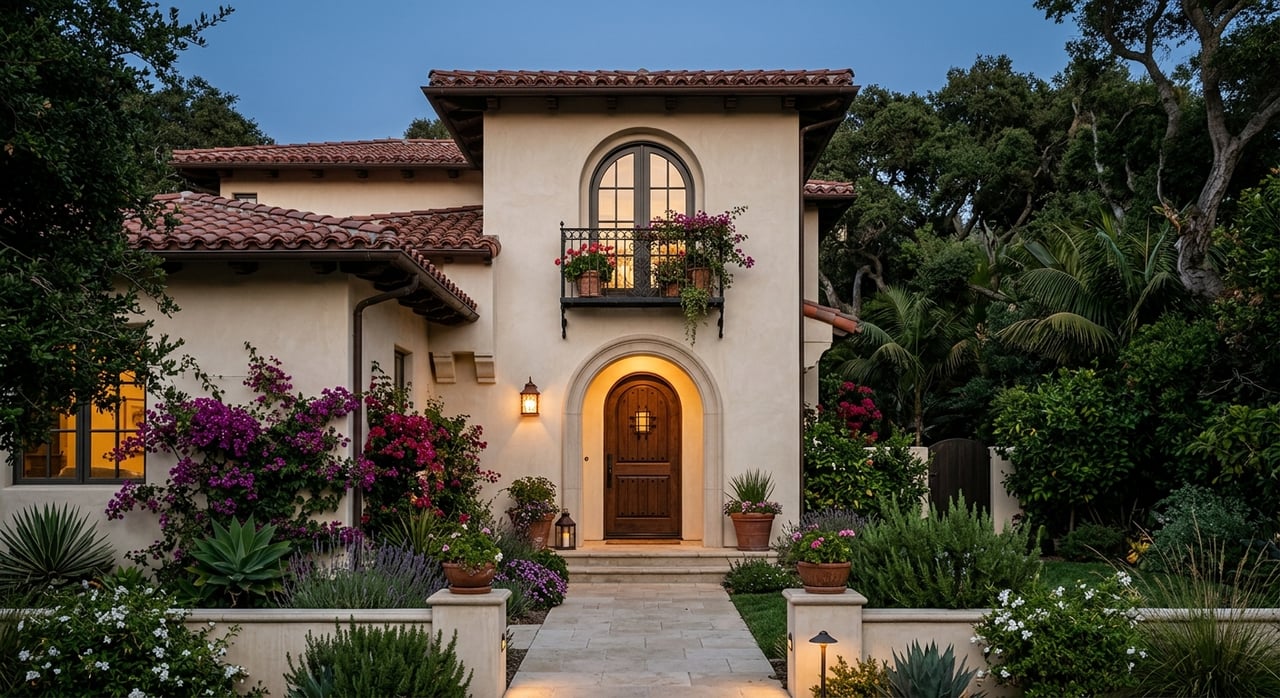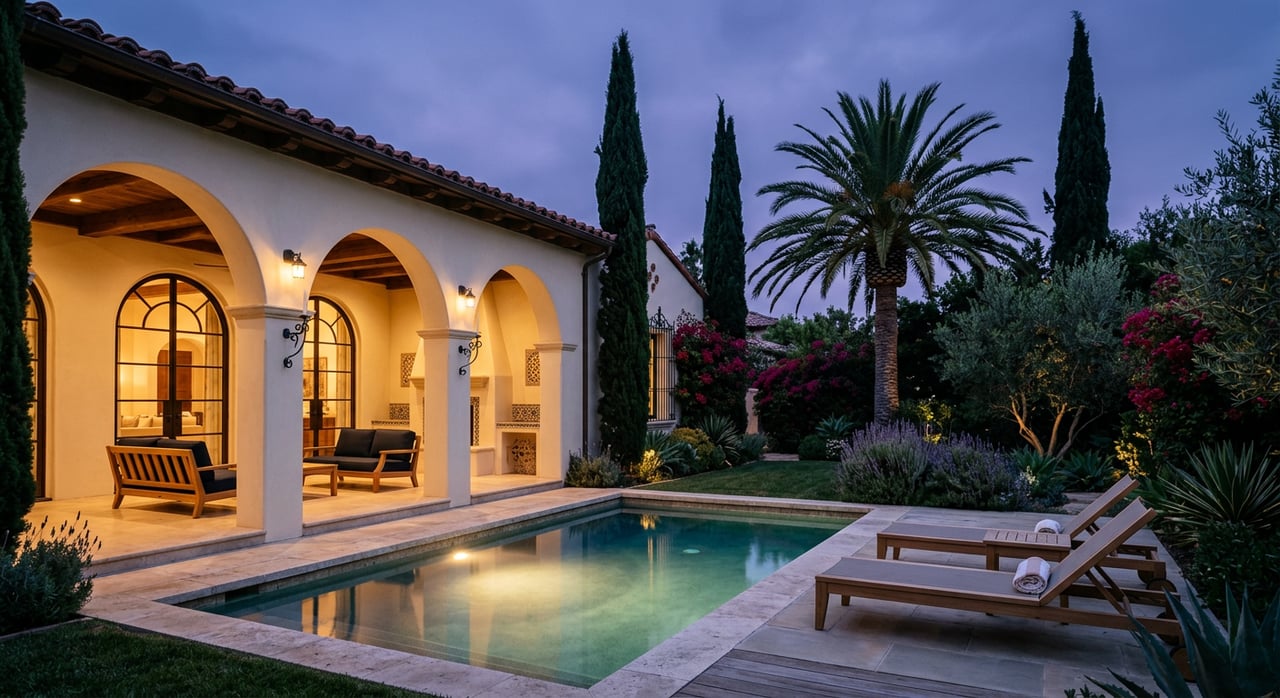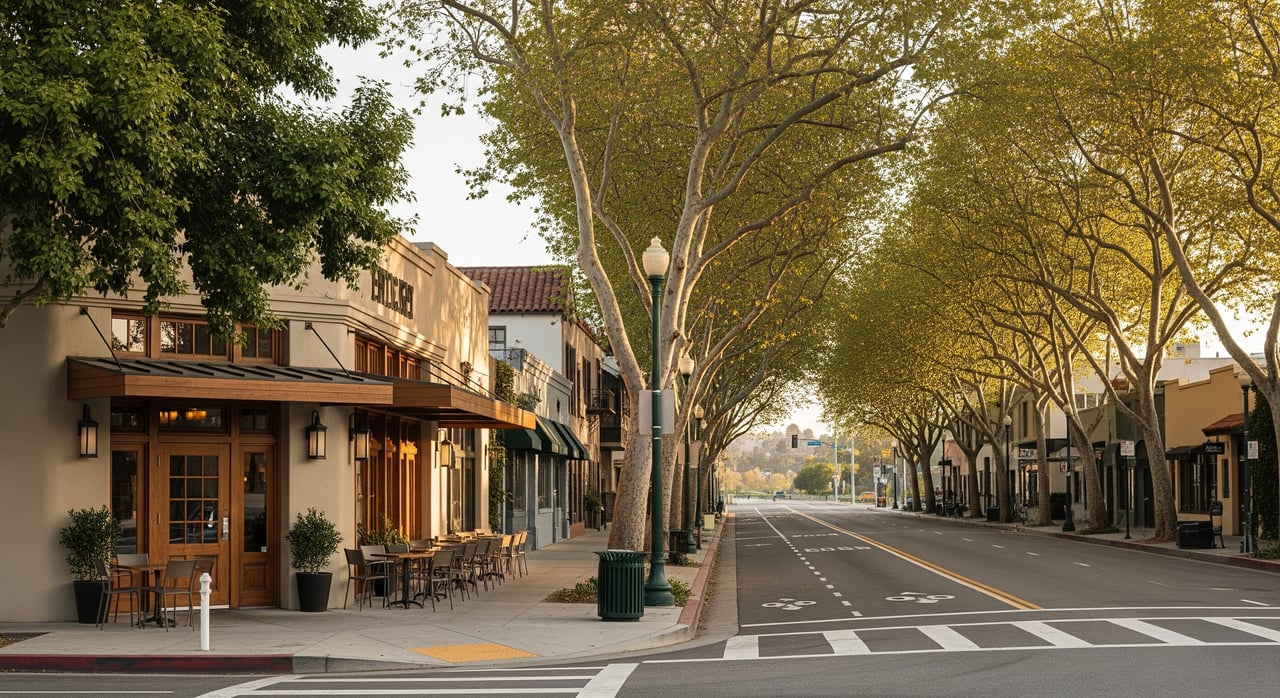
Ask three different data providers what a home in Altadena costs right now and you won't just get three numbers that disagree. You'll get three numbers that contradict each other by hundreds of thousands of dollars, all describing the same handful of square miles.
Over the three months ending May 2026, one major listing platform logged a median sale price of $1.3 million in Altadena, up 63.6 percent from the same period a year earlier. Around the same time, another site's home value index put the average Altadena property at $1,165,712 as of its June 2026 update, down 3.8 percent over the same twelve months. A third source's March 2026 snapshot showed a median closer to $1.1 million, essentially flat, up just over half a percent. By July, a fourth put the median sold price at $1,699,495, nearly half a million dollars above the March figure.
None of these numbers are wrong. They're each looking at a different slice of a market that split into pieces on January 7, 2025, when the Eaton Fire moved through the community, and twenty months later it still hasn't fully knitted back together. If you're trying to figure out what your money buys in Altadena, or what your home might be worth, the median isn't the number to chase. The segment is.
Three markets wearing one ZIP code
Since the fire, Altadena's housing stock has effectively split into three distinct markets that get blended into a single citywide statistic every time someone runs a report.
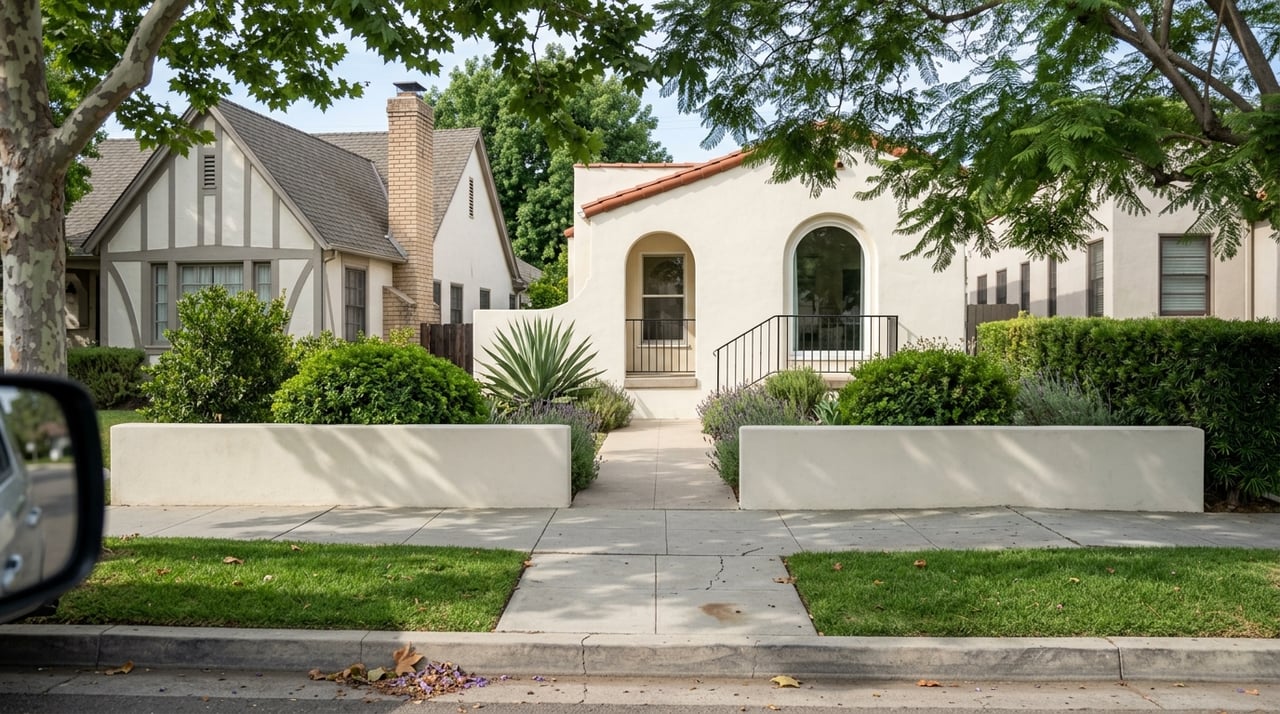
The first is standing, undamaged homes. This is the segment that behaves like a conventional, tight-inventory Southern California market: multiple offers, short timelines, buyers competing for a shrinking pool of homes that never touched the fire perimeter.
The second is vacant and rebuildable lots. Here the structure is gone, so the price reflects the land, the view, and how quickly a buyer can move through the county's rebuild process. A senior economic research analyst at a national listing site described the resulting lot prices as falling in line with what raw land in the area typically listed for, which is a very different pricing logic than a finished house.
The third is damaged-but-standing homes in fire-adjacent corridors, where the structure survived but sits close enough to the burn scar that buyers are pricing in future insurance costs and rebuilding uncertainty on the properties around it.
A year-after-the-fire analysis captured how much the second segment can distort a headline number. Altadena's median sale price dropped to $650,000 in that period, down from $1.35 million the year before. That reads like a collapse in home values. It wasn't. It was a shift toward more vacant lots changing hands, with investors estimated to be buying 30 to 40 percent of them. The homes that didn't burn were not worth half as much. The mix of what sold had changed.
| Segment | What drives the price | Typical buyer | What to expect |
|---|---|---|---|
| Standing, untouched homes | Comparable sales, condition, location | Owner-occupants competing for limited inventory | Tighter timelines, multiple offers still common |
| Vacant or rebuildable lots | Lot size, view, access to utilities | Developers, owner-builders, patient cash buyers | Extended due diligence on soil, utilities, and permits |
| Damaged-but-standing homes | Insurance and future fire-risk perception | Value-seekers comfortable with uncertainty | Slower sales, more room to negotiate |
Why the rebuild pace actually matters to a buyer or seller
The Real Deal reported that by early April 2026, LA County data showed 31 residential rebuild projects completed in the Eaton Fire footprint, compared to one in Pacific Palisades. Dan Faina, president of the local rebuild firm Williams Rebuild, had 30 Altadena projects moving through construction at various stages. Faina told the publication he had pitched close to 100 building proposals to displaced Palisades families but "really didn't get anywhere," describing the mismatch between homeowners who wanted customization and homeowners who wanted to control costs as a "chicken or egg kind of thing."
The dollar figures behind that pace are substantial. Altadena logged more than $2.78 billion in permitted construction value over the thirteen months following the fires, roughly 18 times the $156 million recorded in the prior year. The broader Eaton Fire corridor, which includes parts of Pasadena, crossed $3.15 billion. Shovels reports that California's updated Wildland-Urban Interface code took effect January 1, 2026.
For a buyer eyeing a lot, that pace is reassuring. It means contractors, plan checkers, and the county's own process have real, working momentum behind them rather than a backlog that never moves.
If you're shopping the standing-home segment
The untouched side of the market has cooled slightly from its immediate post-fire tightness without losing its edge. In March 2026, Altadena had just 2.8 months of supply and homes were selling at 102.11 percent of asking price on average. But the share of homes selling above asking dropped to 52.17 percent, down from 75 percent the year before, and the share of listings taking a price cut rose from 11.54 percent to 26.15 percent over the same stretch. Read together, that's a market still favoring sellers, but one where buyers are starting to have room to negotiate rather than simply outbid each other.
If you're considering a lot
Altadena is unincorporated Los Angeles County, which means there's no city hall and no city council involved in a purchase or rebuild here. It also means permits don't run through a city planning department the way they would in Pasadena or Glendale. Applications go through LA County Public Works and the County's Department of Regional Planning, filed through the EPIC-LA online portal, with in-person help available at the One-Stop Permit Center on Woodbury Road in Altadena.
Insurance is the other piece that catches buyers off guard. An estimated 19 percent of Eaton-area homeowners expected their coverage to pay for less than half of rebuild costs, and many were shifted onto California's FAIR Plan after private insurers pulled back. Southern California Edison has extended more than $860 million across roughly 2,500 settlement offers through its voluntary Wildfire Recovery Compensation Program as of late August 2026, and Hoodline reported that the window for Eaton Fire claims closes November 30, 2026. On the nonprofit side, the Altadena Builds Back Foundation had committed $11.2 million as of January 2026, including $4.55 million routed through SGV Habitat for Humanity to rebuild or repair 22 homes for underinsured West Altadena owners.
The timeline on the ground reflects all of this. State officials approved $200 million in emergency funding in July 2026 for hydrant replacement and utility undergrounding across the burn area. Even with that infrastructure moving forward, one analysis found 57 percent of owner-occupied fire-damaged lots still hadn't submitted a permit application. The county's process has gotten faster. Getting an individual family from insurance settlement to groundbreaking is still its own long road.
A few questions worth asking directly
Is Altadena part of the City of Pasadena? No. Altadena is unincorporated Los Angeles County, which means its permitting, zoning, and rebuild process run through county departments rather than a city government, a distinction that matters the moment you're evaluating a lot.
How long does a full Altadena rebuild actually take? Industry estimates put a complete rebuild at roughly two to two and a half years from fire to move-in, though the initial zoning review for a like-for-like project can be completed in about two weeks.
How do I find out what a specific Altadena address is actually worth, rather than a citywide median? That's a segment-specific question, and it's the one worth asking before you rely on any portal's number. Our home valuation tool is built to look at your address and its actual segment, not a blended average.
If you're weighing a purchase in Altadena, whether that's a move-in-ready home, a lot, or something in between, or you're on the seller's side of one of these segments and want a pricing strategy that reflects where your specific property sits, Mary Dix and The Dix Group would welcome the conversation. Schedule your concierge consultation and let's figure out which Altadena you're actually buying or selling into.
This article is general information, not legal, tax or financial advice. Consult a qualified professional about your situation.