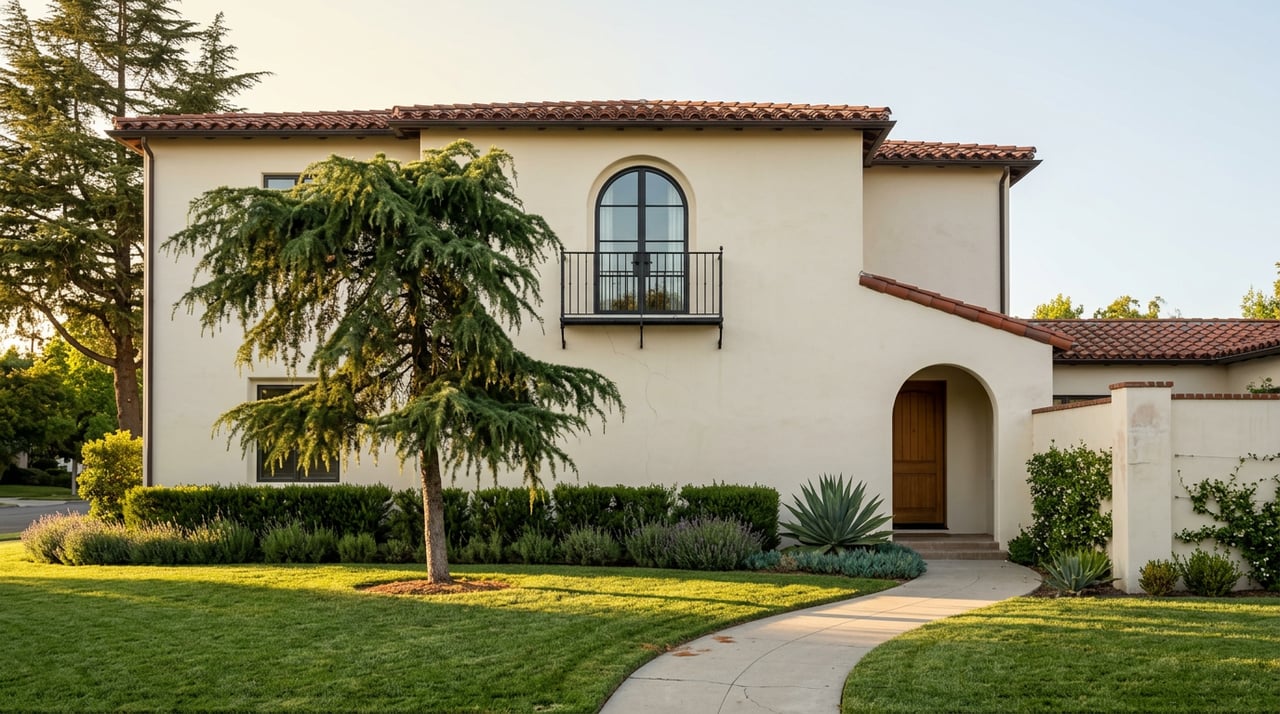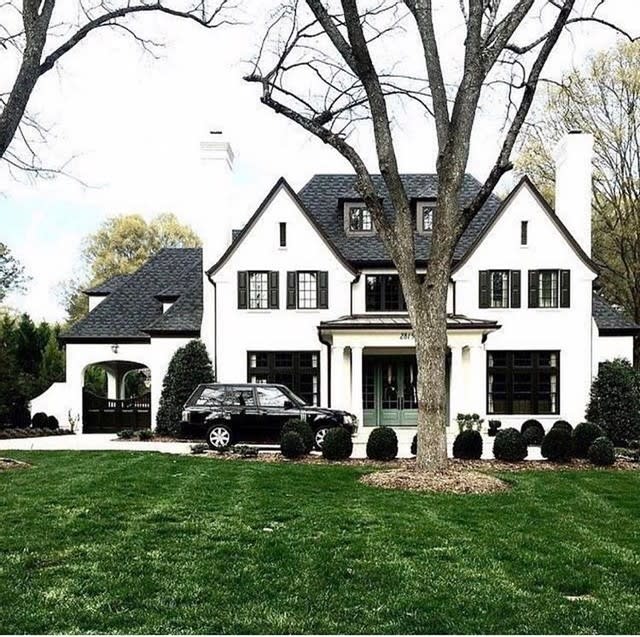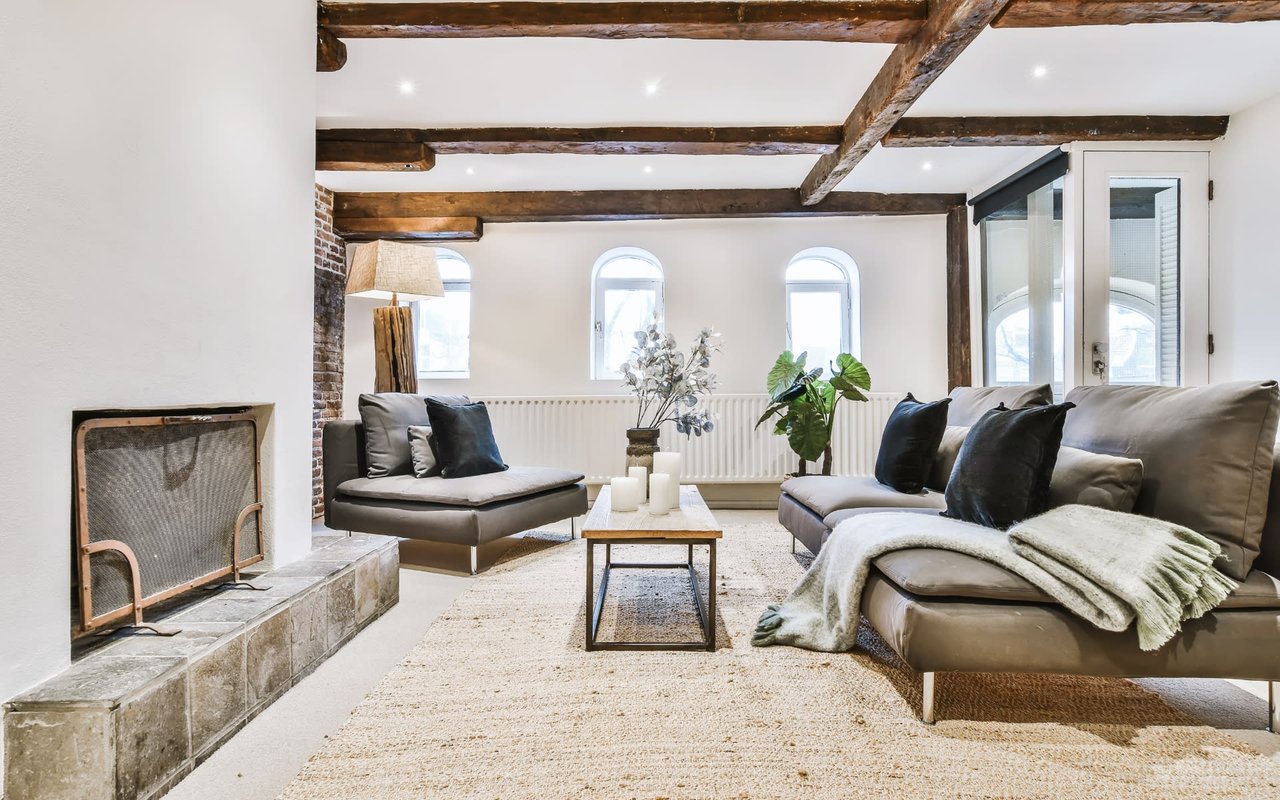
Thinking about a second home in Dana Point but not sure where to start? You’re not alone. With a harbor in the middle of a major refresh, distinct micro-neighborhoods, and evolving short-term rental rules, it pays to get clear on the details before you shop. In this guide, you’ll learn where to look, what it really costs to own, how financing differs from a primary home, and what due diligence to complete so you can buy with confidence. Let’s dive in.
Why Dana Point for a second home
Quick market snapshot
Dana Point is an affluent coastal city with typical home values in the high single-million range. Recent market-level estimates show values around the $1.6–1.8 million band as of early 2026, according to Zillow’s Dana Point market page. Price points vary by proximity to the harbor, ocean views, and community amenities.
Harbor revitalization is changing the map
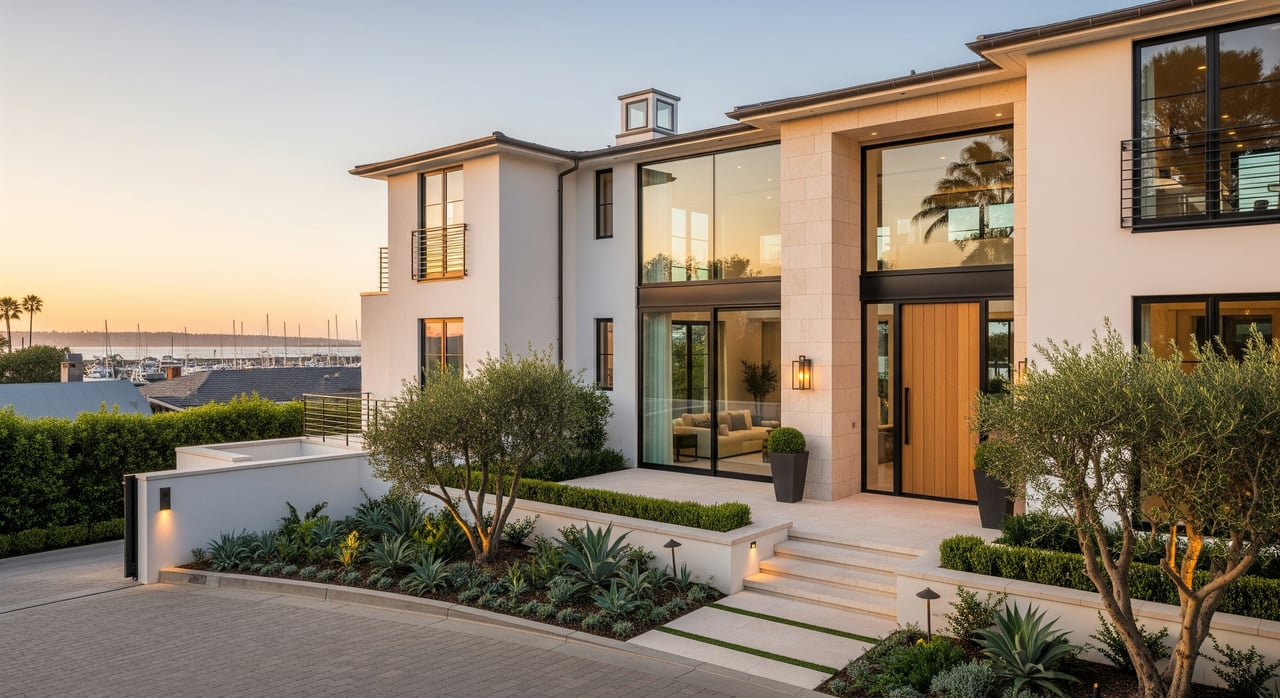
Dana Point Harbor is in a multi-phase revitalization that is reshaping docks, slips, and public-facing amenities. Portions of the marina have reopened as phases complete, and operations are adjusting as slip counts and configurations evolve. If you want harbor-front or harbor-view property, treat this as a near-term shift in access and value and review the harbor construction schedule as part of your planning.
Where to look: micro-neighborhoods
Lantern District and Harbor Village
If you want walkable restaurants, galleries, and direct harbor access, the Lantern District and Harbor Village area is a strong fit. You’ll find harbor-view condos and townhomes, plus a few single-family pockets. Condo living can offer easier maintenance and concierge-style ownership, but you should plan for HOA dues and potential neighborhood or harbor fees. Ongoing harbor upgrades can influence demand and values nearby.
Monarch Beach corridor
Monarch Beach and Monarch Bay form Dana Point’s resort corridor. Expect gated enclaves, golf access, and luxury services tied to nearby resorts. Inventory leans toward single-family homes and private communities with strict CC&Rs. If you want privacy and a full-service feel for your second home, this area is often the target.
Capistrano Beach and North Dana Point
Capistrano Beach and the north side near Doheny appeal to buyers who prioritize beach access and an active surf lifestyle. The vibe is more traditional beach neighborhood than marina boating. You’ll see a mix of homes and some attached options, with easy access to coastal parks and the shoreline.
Bluff-top Headlands and ocean-view estates
Bluff-top properties are prized for panoramic views and privacy. They also come with coastal-zone permitting, bluff setback rules, and long-term erosion considerations. Permit constraints can limit expansion, and you may need periodic geotechnical monitoring. If you love the setting, factor potential engineering and maintenance into your acquisition and hold strategy.
What it really costs to own
One-time and recurring basics
Expect standard California closing costs at purchase, including escrow, title, and inspection or appraisal fees. Ongoing property taxes are set under Proposition 13 at a base rate of about 1% of assessed value at purchase, plus voter-approved local bonds and assessments. That means your effective rate can vary by neighborhood and district. For background on how Prop 13 works, review this overview of Proposition 13 property taxes.
HOA and coastal maintenance
Many condos, townhomes, and gated coastal communities have HOAs that manage common areas and capital projects. These can lead to special assessments for items like roofing, decks, or seawall stabilization. Harbor-adjacent and bluff-top properties may also require coastal-specific upkeep. For bluff homes, plan for periodic geotechnical checks and potential slope mitigation. For harbor-side living, verify how the marina manages slips and whether slips are owned, leased, or operator-controlled. The harbor’s refresh is changing slip inventory and policies, so confirm details using the harbor construction updates.
Short-term rental rules and taxes
If you plan to rent seasonally, start with the City’s program. Dana Point operates a coastal-zone short-term rental permit system that caps the number of STRs and sets operator rules. Before you write an offer, confirm if a home is eligible and whether any existing permit can transfer. You can review requirements on the City’s Short-Term Rentals page.
STR operators must collect and remit the City’s Transient Occupancy Tax, which is 10% on rents for transient stays. The municipal code also requires periodic, typically quarterly, reporting. If you expect rental income, model the TOT and reporting timeline into your cash flow. See the City’s Transient Occupancy Tax code section for reference.
Insurance and climate risk
Standard homeowners insurance typically excludes flood coverage, and coastal second homes may need separate flood insurance through the NFIP or private carriers. FEMA’s Risk Rating 2.0 changed how flood premiums are priced, and private market pricing also varies by elevation, distance to water, and exposure. Get insurer pre-quotes early and compare options. For a plain-language explainer on flood pricing shifts, review this summary of Risk Rating 2.0.
Dana Point has also published sea-level rise and hazard context for the coastline. If you’re considering a bluff-top or near-shore property, build in a geotechnical review and confirm what the City considers a coastal high-hazard area. You can read the City’s Sea Level Rise Vulnerability Assessment to understand the framework and disclosures.
Boating and harbor costs
If boating is core to your lifestyle, verify slip availability, waitlists, and rate structures as part of your search. Because the marina is reopening in phases, slip configurations and pricing can change as sections come online. Review the harbor’s revitalization schedule and confirm terms directly with the operator before you finalize a purchase.
Financing and taxes: second home lens
How lenders view second homes
Lenders treat second homes differently from investment properties. Under agency guidance, a one-unit second home can be eligible for a conventional mortgage but often requires a higher down payment and documented reserves. Reserve requirements can include a couple months of payments for the subject property, and more if you have other financed homes. For specifics, see Freddie Mac’s outline of second-home LTV and reserve rules, and plan a pre-approval with a lender experienced in coastal second homes.
Conforming vs jumbo in Orange County
Dana Point price points often exceed national baseline limits, which means many buyers use high-balance conforming or jumbo loans. Jumbo financing can come with stricter documentation and sometimes higher rates. Check the current county limit for the year you plan to buy and align your down payment and reserves accordingly. You can reference the FHFA’s 2026 conforming loan limits to understand the latest caps in high-cost counties like Orange County.
Tax planning basics for a second home
Mortgage interest on a second home can be deductible, subject to federal limits and your overall tax picture. The principal-residence capital-gains exclusion generally applies only to a primary residence, not a property used only as a second home unless you later convert and meet ownership and use tests. If you plan any short-term rental use, that can change how income is reported and how expenses and depreciation work. Because rules and limits change, speak with a CPA to model scenarios that include SALT limits, mortgage interest, and any rental days so you know your after-tax costs.
Dana Point vs nearby coastal cities
- Newport Beach tends to carry higher median values and offers larger marinas and a strong yachting scene. For price-to-amenity comparisons, review Zillow’s Newport Beach market page.
- Laguna Beach emphasizes art, coves, and a village feel with strict land-use rules and some of the highest coastal medians in the county.
- San Clemente delivers a laid-back, surf-focused vibe and some neighborhoods priced below the top-tier coastal markets.
Use lifestyle and budget to guide your choice. If you want marina life with a calmer pace and strong value relative to top OC peaks, Dana Point often stands out.
Buyer due-diligence checklist
Use this list to shop smart and avoid surprises:
- Confirm short-term rental eligibility and whether an STR permit exists or can transfer under the City’s cap. Start with the City’s STR program page.
- Review title and survey for easements, public coastal access, and any recorded bluff-protection or geotechnical notices.
- Order a geotechnical and coastal-engineering review for bluff-top or near-shore homes.
- Pull FEMA flood info and an Elevation Certificate if applicable, and get flood insurance pre-quotes. Here’s a clear primer on Risk Rating 2.0.
- Read HOA docs and CC&Rs for rental limits, guest parking, noise rules, and special assessment history.
- Verify harbor access specifics: slip ownership or leases, waitlists, and current fees. Check the harbor’s revitalization updates.
- Get insurance pre-quotes for homeowners, flood, and umbrella liability. Confirm that any STR use is insurable.
- Secure a mortgage pre-approval with a lender who regularly finances coastal second homes and confirm whether your loan will be conforming or jumbo. Reference the FHFA’s 2026 limits.
- Schedule a tax planning call with a CPA to model mortgage interest, SALT, STR income, and exit scenarios if you might later convert to or from a primary residence.
Next steps
A second home should feel effortless, not uncertain. The key is aligning your lifestyle goals with the right micro-neighborhood, confirming STR and harbor details early, and structuring your financing and insurance before you write an offer. If you want a personalized plan, The Dix Group pairs boutique, high-touch guidance with Compass tools to make your Dana Point purchase clear and smooth from search to close.
Ready to map your next steps and see tailored opportunities on and off market? Schedule your concierge consultation with Mary Dix.
FAQs
What are the best Dana Point areas for a second home?
- Lantern District and Harbor Village for walkability and marina access, Monarch Beach for privacy and resort-style amenities, Capistrano Beach for beach-focused living, and Headlands for bluff-top views.
How do Dana Point short-term rental permits work for second homes?
- The City caps STR permits and requires operators to register and follow rules; always verify eligibility and transferability before you buy using the City’s STR program resources.
How does the harbor revitalization affect buyers today?
- Slip counts, configurations, and amenities are changing in phases, which can influence access, fees, and nearby property demand; review the harbor’s construction schedule during due diligence.
How are California property taxes calculated on a second home?
- Under Proposition 13, taxes start at about 1% of the purchase-assessed value plus local bonds and assessments, so actual effective rates vary by district.
Do I need flood insurance or extra coverage near the coast?
- Standard homeowner policies exclude flood; coastal buyers often need separate flood insurance and should also assess bluff erosion and sea-level rise risks with insurer pre-quotes and geotechnical input.