Wondering whether Pasadena’s charm is better found in a century-old bungalow or a newer home with modern systems? You are not alone. In a city where historic character and contemporary living often sit side by side, the right choice comes down to how you want to live, what kind of upkeep you can handle, and how much flexibility you want after closing. Let’s dive in.
Why this choice matters in Pasadena
In Pasadena, this is not just a style decision. It is also a practical one tied to maintenance, permitting, energy performance, and future renovation options.
That matters even more in a market where the Census Bureau estimates the median value of owner-occupied housing at $1,045,000 for 2019 through 2023. When you are making a purchase at this level, understanding the tradeoffs between an older character home and a newer build can help you buy with more confidence.
Pasadena also has a deep preservation story. The city says it has more than 200 individual historic sites and 26 historic neighborhoods, with preservation protections dating back to 1969.
What Pasadena historic bungalows offer
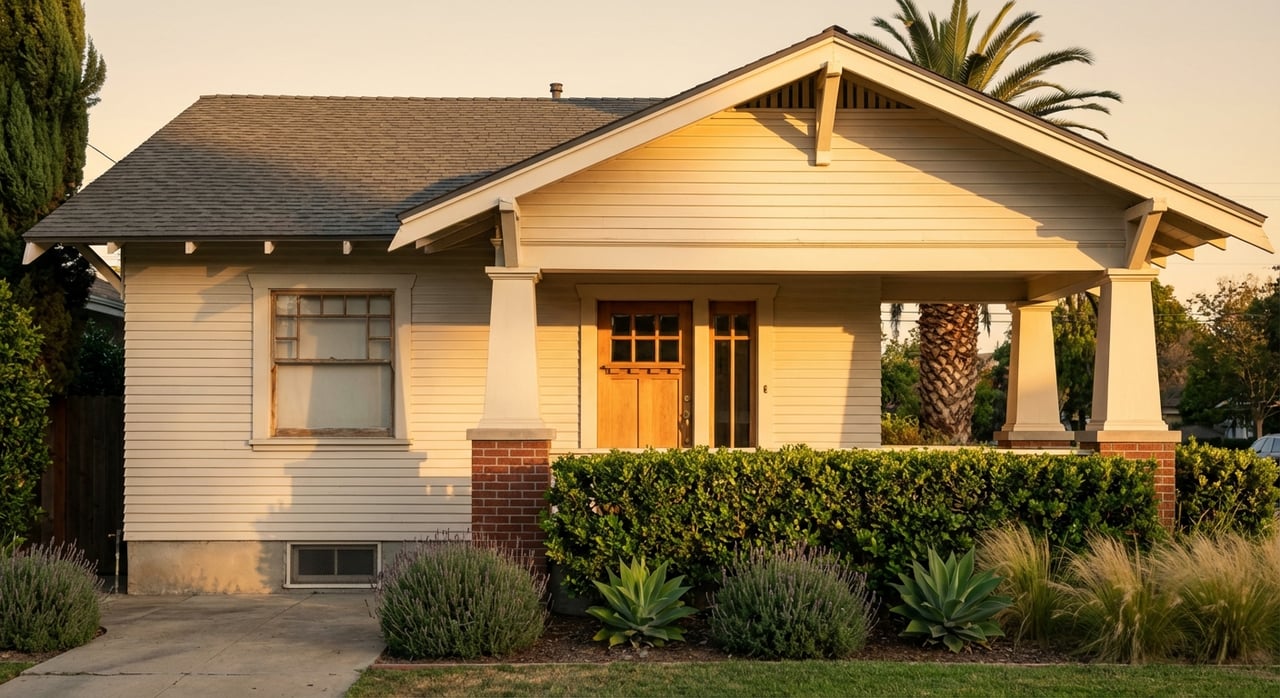
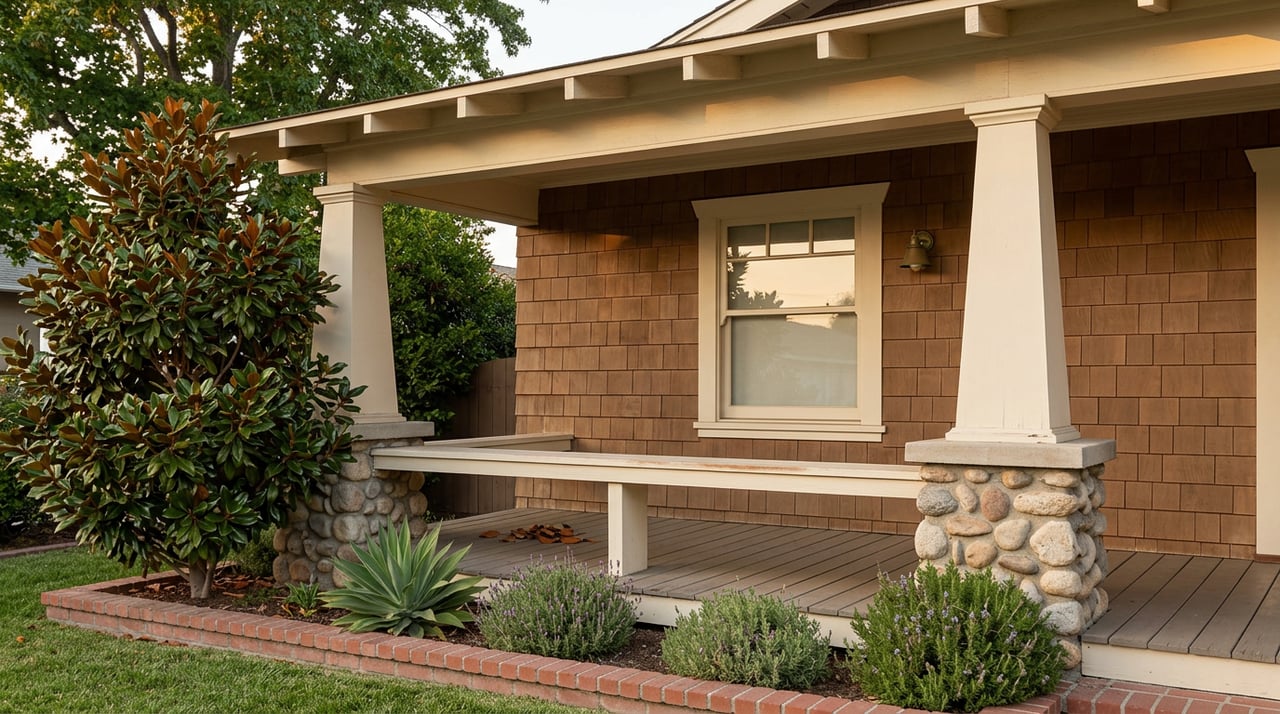
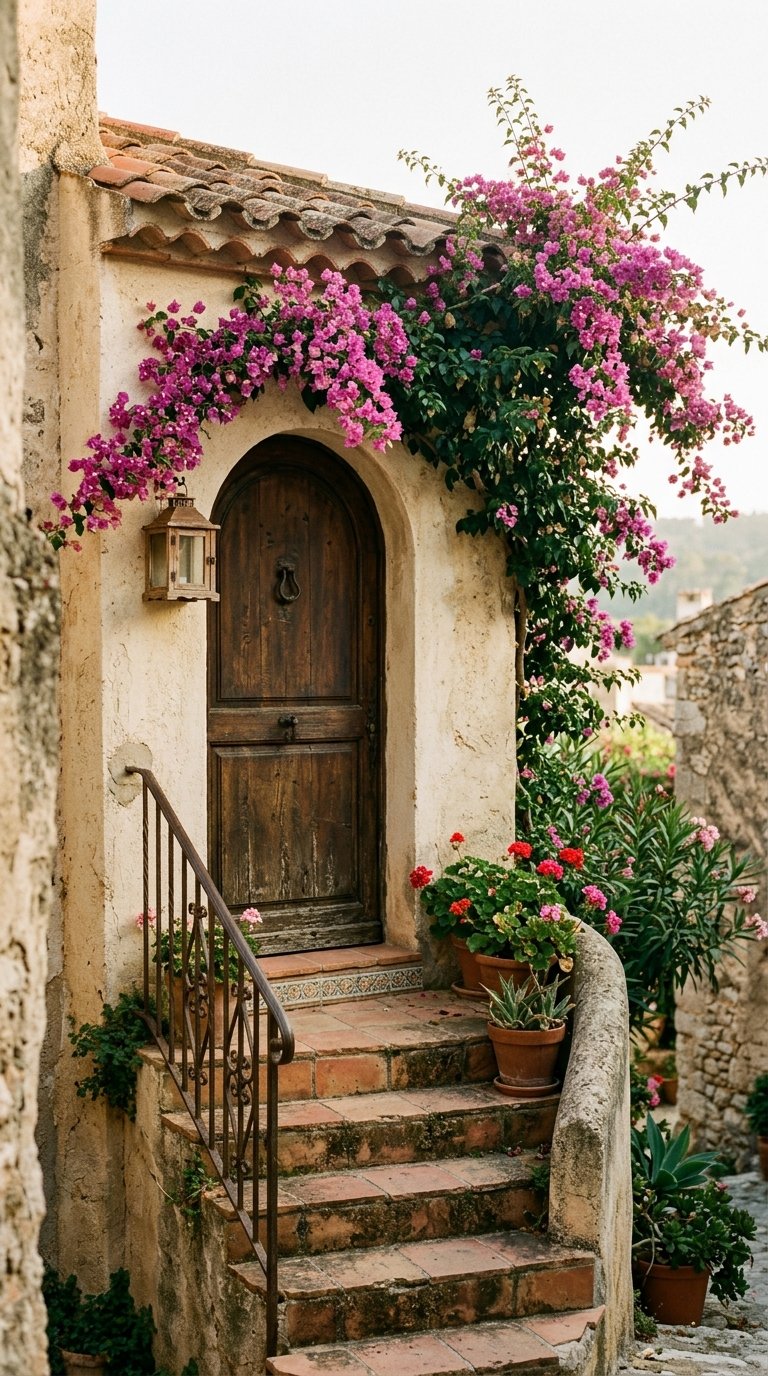
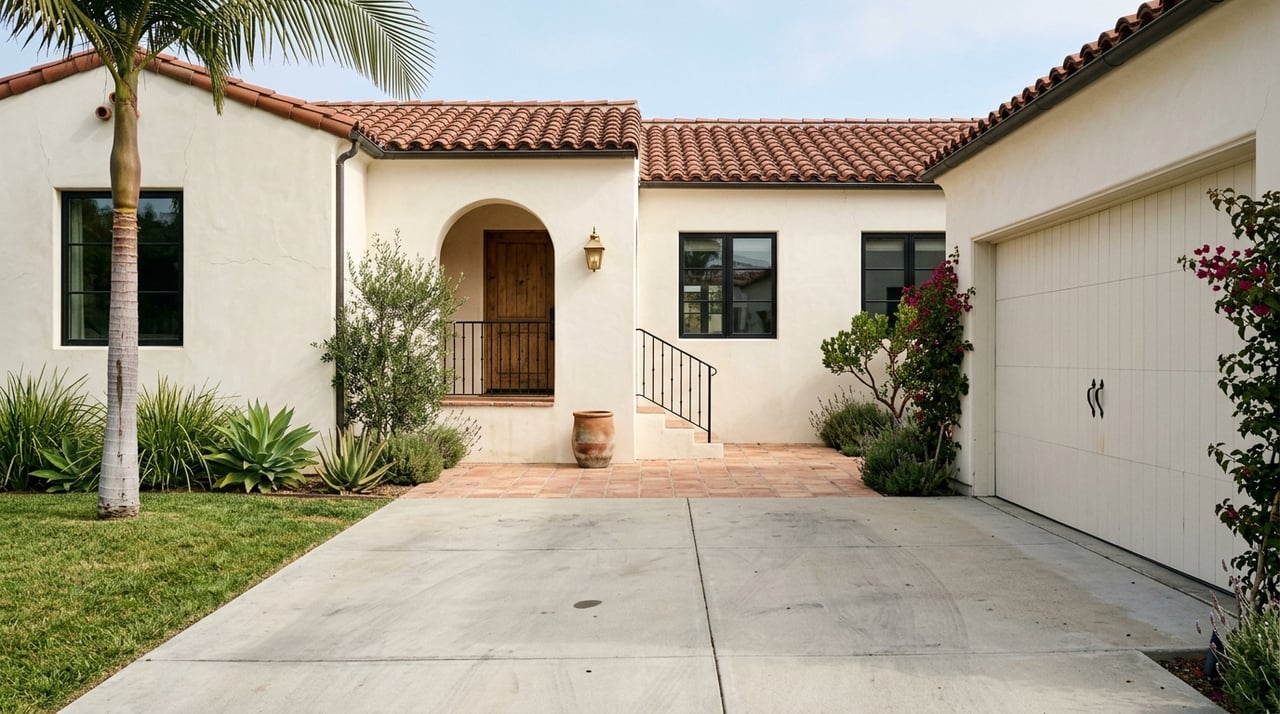
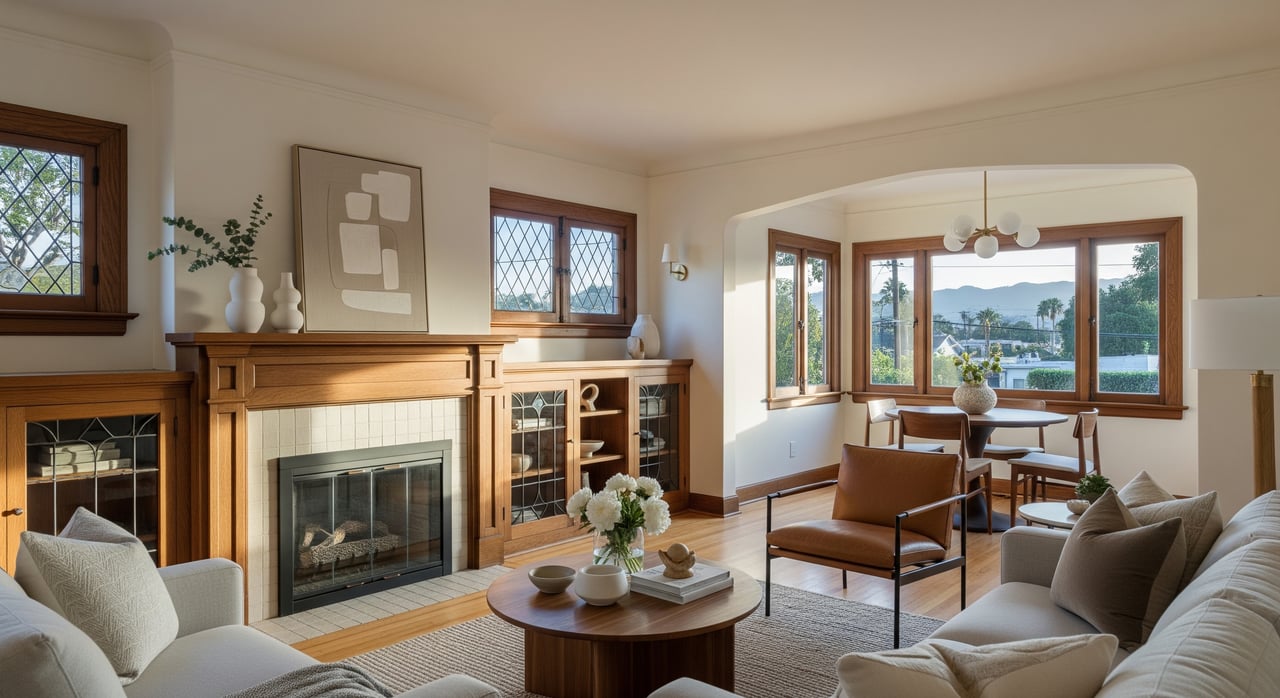
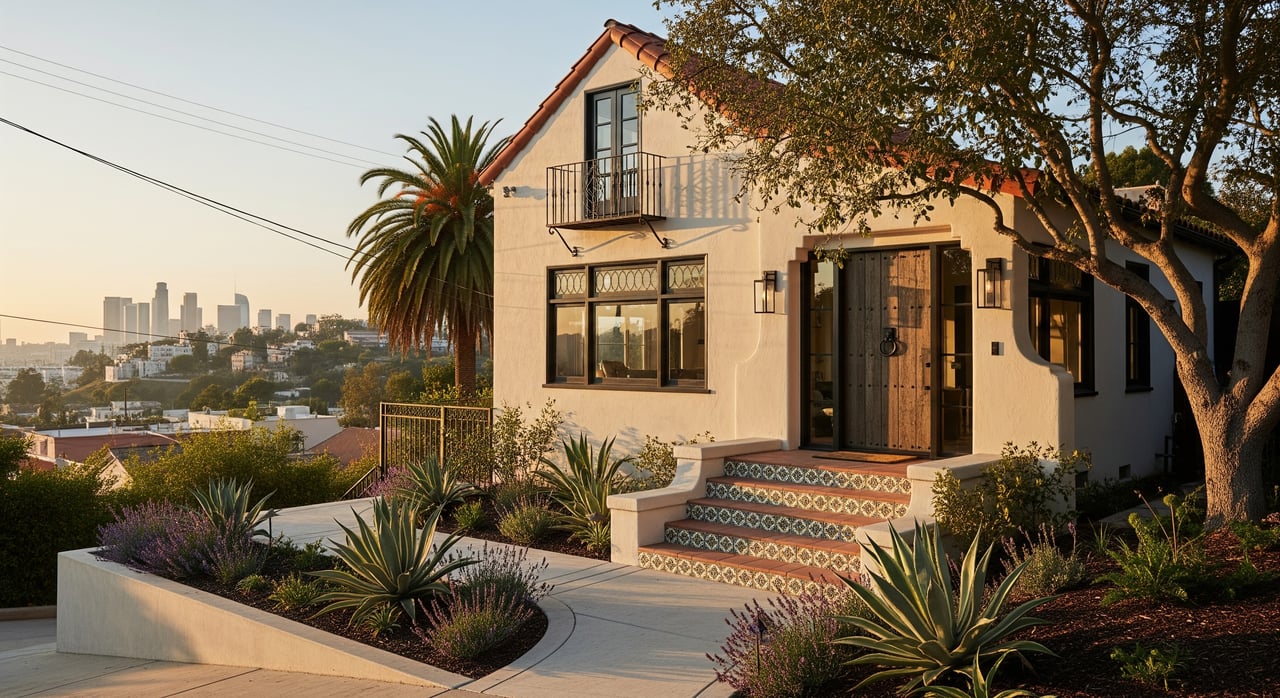
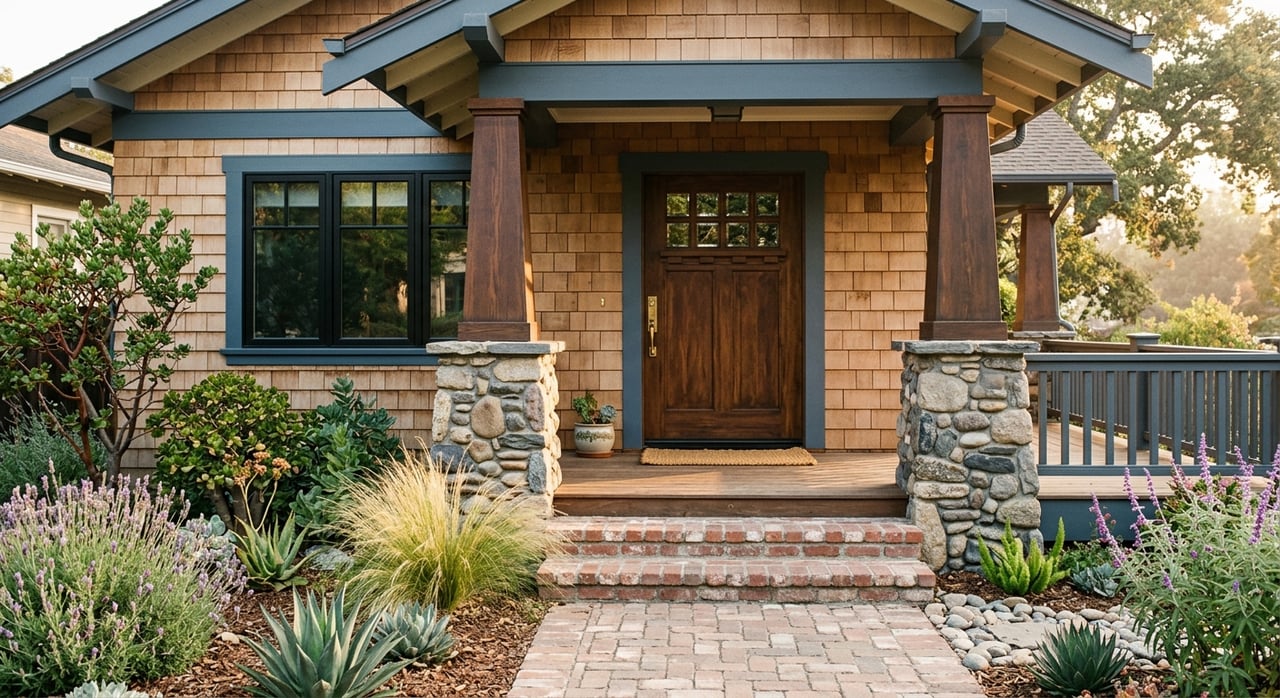
Pasadena’s historic context materials identify the Craftsman bungalow as one of the city’s defining home types. These homes are typically one or one-and-a-half stories, with low-pitched roofs, wide eaves, strong horizontal lines, and welcoming front porches.
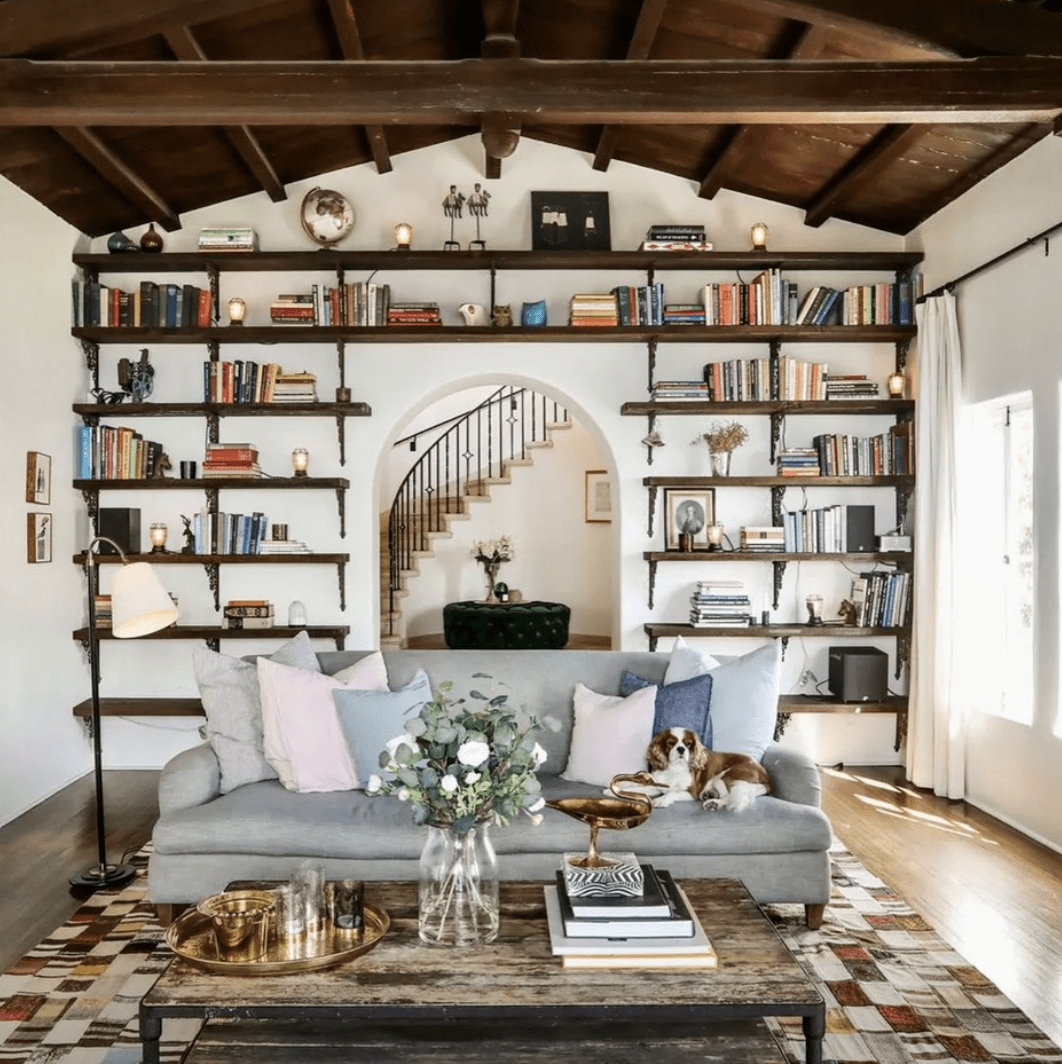
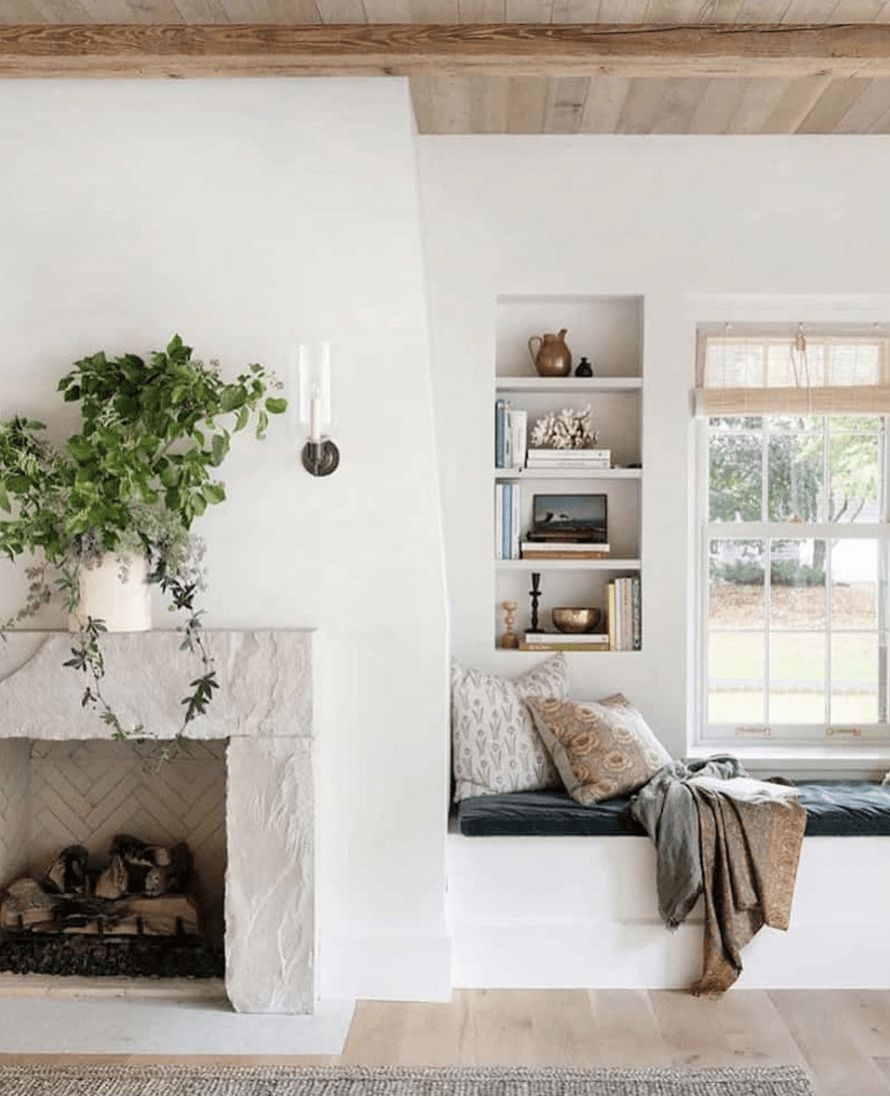
For many buyers, that architectural character is the draw. Historic bungalows often feel warm, detailed, and connected to Pasadena’s early residential development in a way that newer construction cannot fully replicate.
Pasadena is also closely tied to bungalow courts, which the city says developed from 1909 through 1942. These small homes or duplexes were arranged around shared landscaped courtyards and became part of the city’s housing identity.
Neighborhoods associated with this era, including areas known for large collections of Craftsman homes, appeal to buyers who value design, history, and a strong sense of place. If you are drawn to original millwork, porch living, and architectural texture, a historic home may feel especially compelling.
The layout and feel of older homes
Historic bungalows often live differently than newer homes. Many feel more compact and more divided room to room, even when they have been carefully updated.
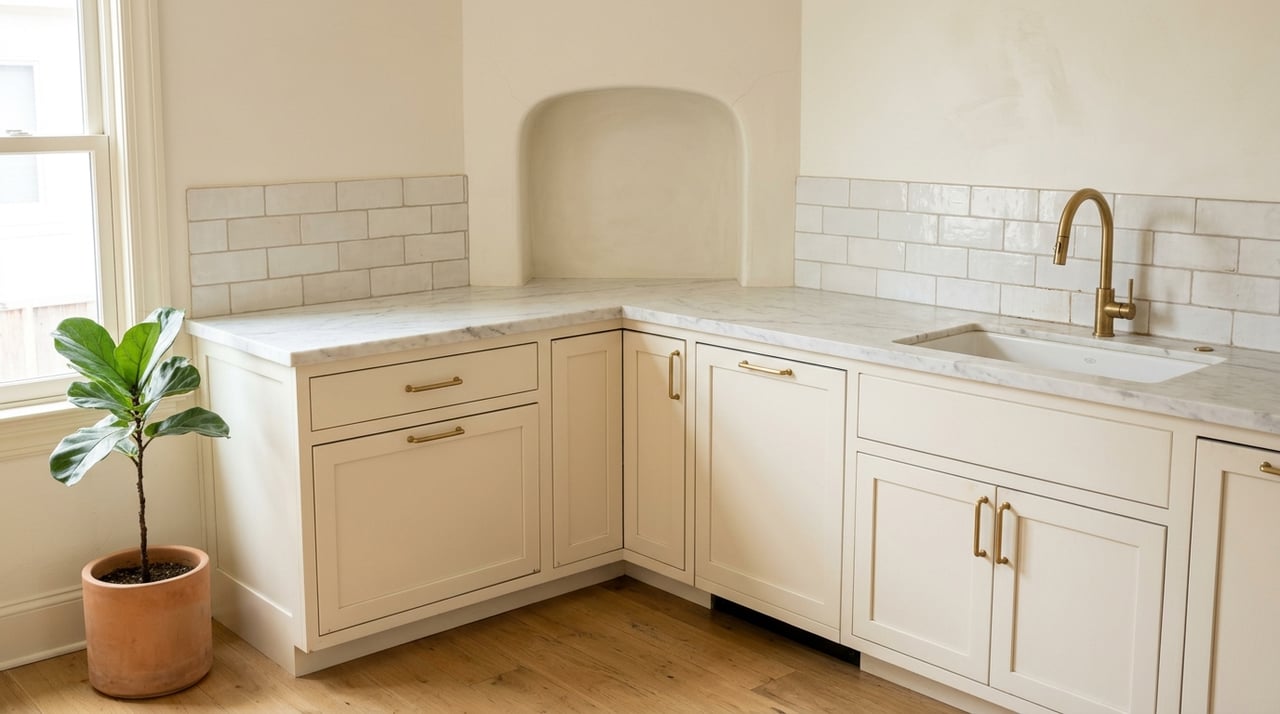
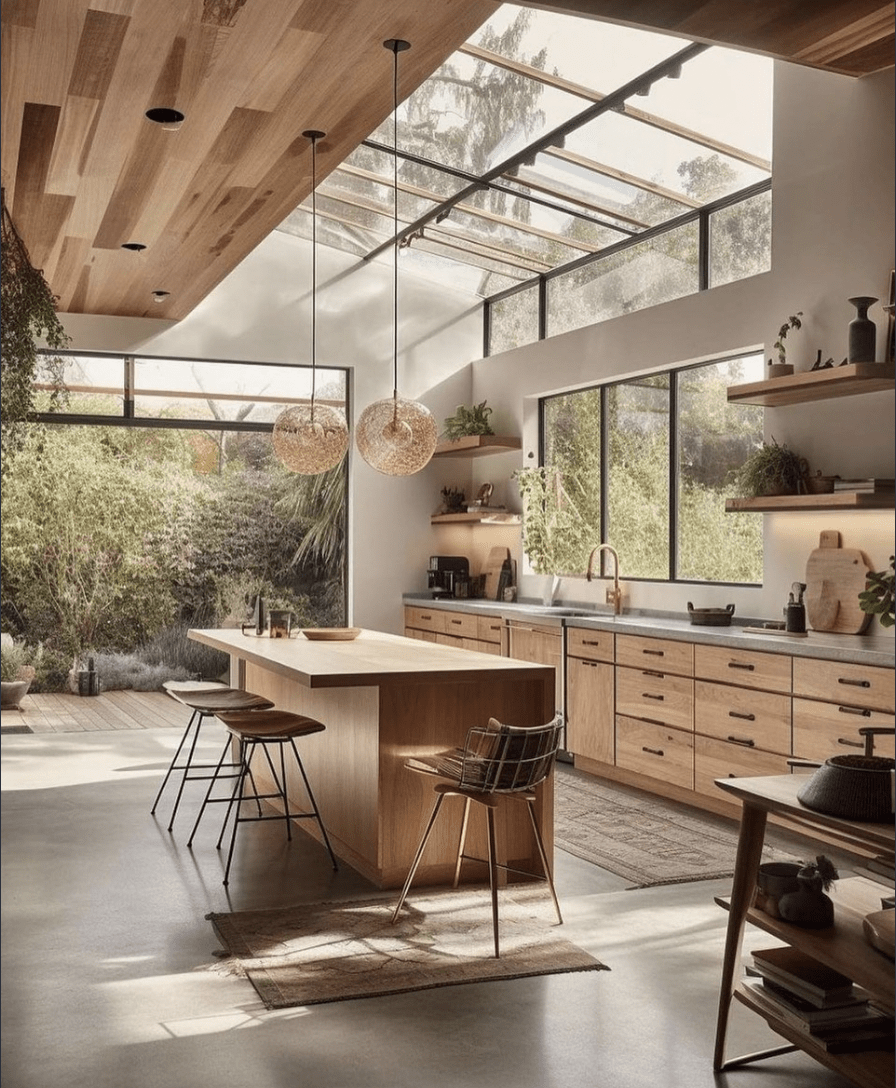
That can be a positive if you prefer defined spaces and period details. But if you want a large open kitchen-family room setup or a more flexible modern floor plan, an older home may require compromise or a thoughtful renovation plan.
What to expect with maintenance
Older homes often come with more upkeep. Pasadena’s Housing Element notes that homes generally begin to show age after about 30 years, and homes older than 50 to 60 years often need upgrades to plumbing, electrical, heating, and other major systems.
That does not mean every bungalow is a project. Some have been extensively improved over time. Still, when you are comparing an older Pasadena home with a newer build, it is smart to assume that the historic property may involve more maintenance and a higher chance of deferred repairs.
If a home was built before 1978, Pasadena also notes that it may contain lead-based paint. That is another reason due diligence matters when you are evaluating an older property.
Historic homes are not untouchable
Owning a historic home does not mean you cannot make changes. Pasadena’s design guidelines allow additions and exterior alterations when they are compatible with the building’s scale, massing, and character-defining features, and when they avoid destroying historic materials.
In plain terms, you can often improve a historic home, but the path is usually more structured. The design process may take more thought, and your plans may need to work within preservation standards.
How historic status can affect your plans
One of the biggest questions buyers should ask is whether a property is actually historic in the regulatory sense. In Pasadena, age alone does not automatically mean a home is fully protected as a historic resource.
However, the city says a property over 45 years old can require a Historic Resources Evaluation for a major project. If a home is a designated historic site or located in a historic district, exterior changes visible from the street, demolition, and some new construction may require a Certificate of Appropriateness before a building permit is issued.
That can affect everything from adding onto the house to changing exterior materials. For the right buyer, those rules help preserve the home’s character and the surrounding streetscape. For another buyer, they may feel too limiting.
Potential tax incentive for qualifying homes
There can be a financial upside to qualifying historic ownership. Pasadena offers a Mills Act Historic Property Contract Program for eligible privately owned historic properties.
The city says this program provides a property-tax incentive in exchange for rehabilitation, restoration, and ongoing maintenance that follows required standards. It can be meaningful, but only if the home qualifies and you are comfortable with the long-term obligations that come with the program.
A useful code tool for renovations
Pasadena also points to the California Historical Building Code as a tool for rehabilitation, restoration, preservation, or relocation of historic buildings. That can make code compliance more workable during a historic renovation than treating the house exactly like a typical nonhistoric structure.
For buyers considering a restoration project, that is a helpful point to understand early. It does not eliminate complexity, but it can create more practical paths for preserving an older home.
Why buyers choose newer builds
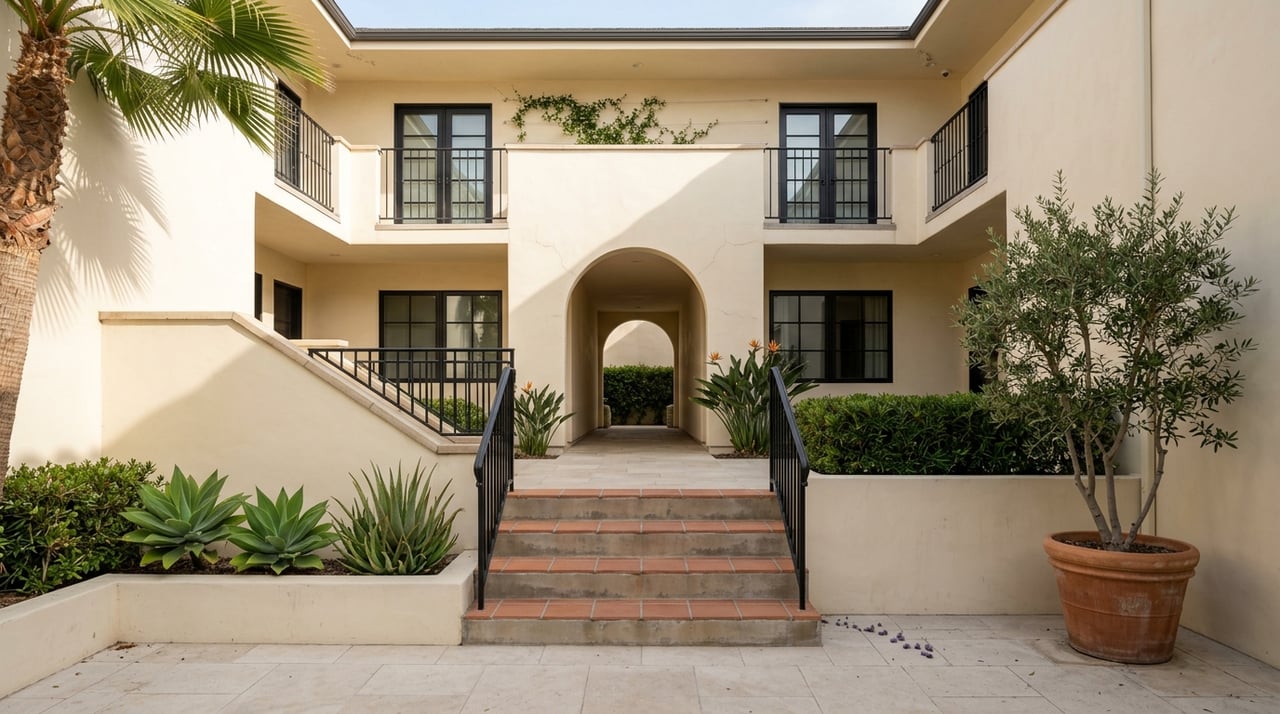
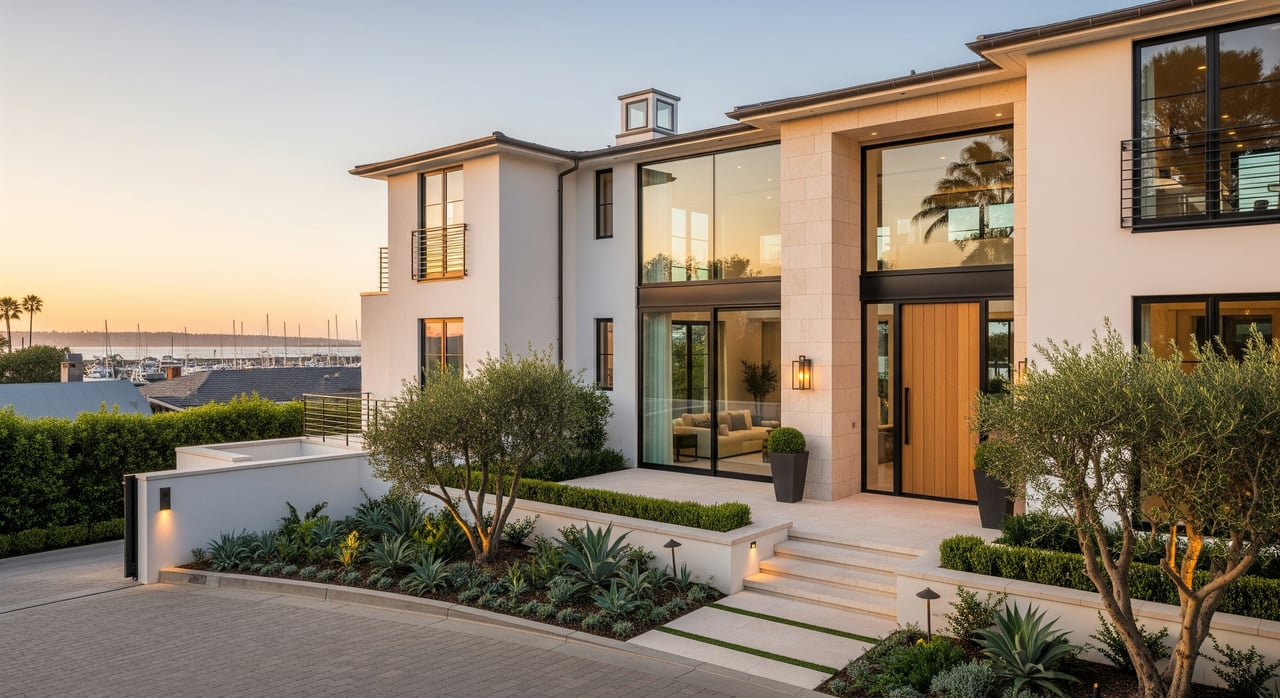
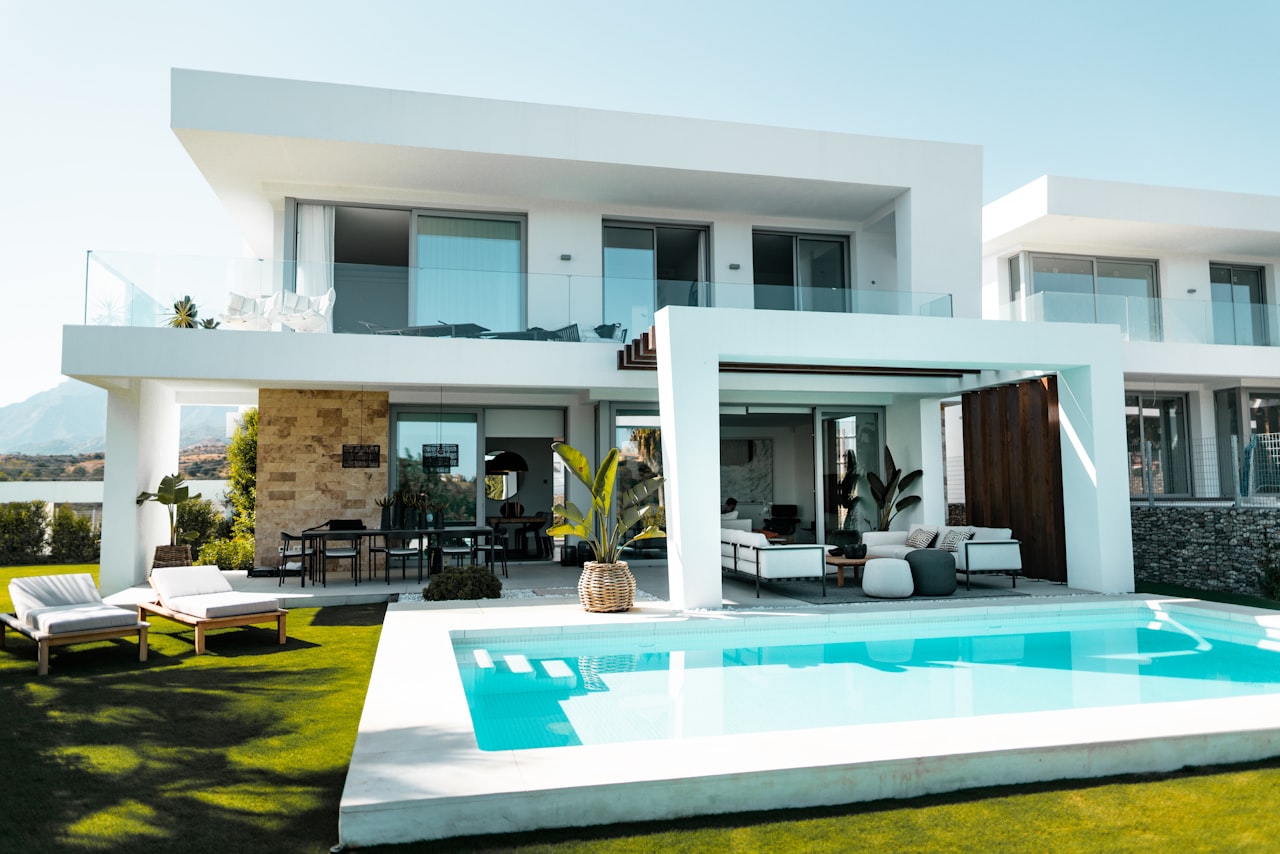
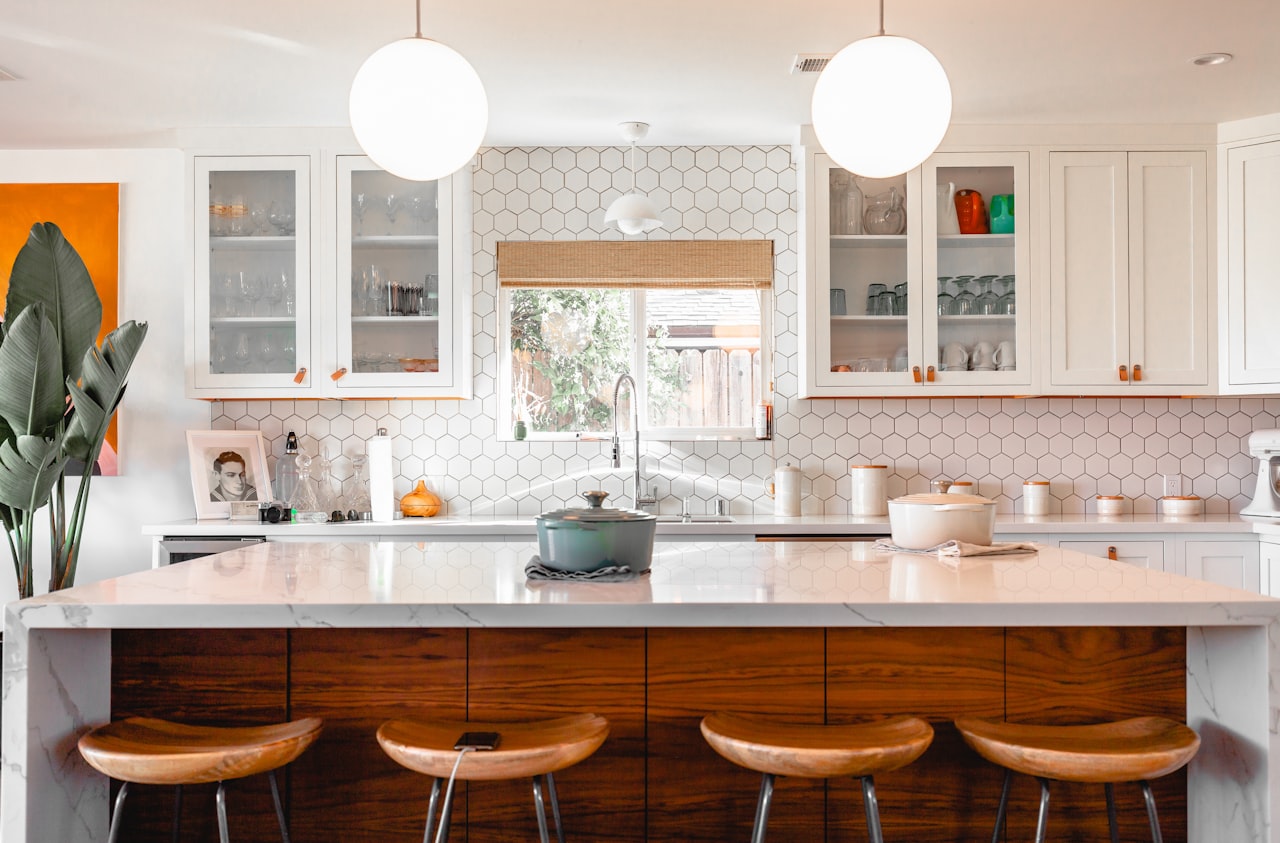
Newer homes usually appeal to buyers who want a more predictable ownership experience. In many cases, they offer modern systems, more current layouts, and fewer near-term capital repairs.
They are also generally built around current energy standards instead of relying on later retrofits. California’s 2025 Energy Code, which took effect January 1, 2026, strengthened efficiency requirements and emphasized features such as heat pumps, ventilation, and electric-readiness.
That does not guarantee every newer home will perform the same way. But it does mean newer construction is typically designed with modern energy expectations from the start.
Newer does not mean no review
Even if a house is not historic, that does not mean you can ignore local review. Pasadena requires design review for new construction and alterations citywide.
So while newer homes often come with fewer preservation constraints, they are still subject to local design oversight and permit review. If you are buying a recently built or heavily remodeled home, you still want to confirm that the work was properly permitted and aligned with city requirements.
Resale value depends on more than age
It is tempting to assume older always means more valuable, or newer always means easier to resell. In reality, the research is more nuanced.
Studies on historic-district designation show mixed results. Some find price premiums, while others find neutral or negative effects depending on local demand and the restrictions involved.
In Pasadena, the safer takeaway is this: resale value depends less on age alone and more on condition, neighborhood context, lot, designation status, and how much flexibility a future owner will have.
A well-kept historic bungalow may stand out because of character, scarcity, and its relationship to the surrounding streetscape. A newer build may attract buyers looking for turnkey living, current systems, and fewer unknowns.
Neither is automatically the better investment. The better fit depends on what buyers in that specific slice of Pasadena value and what the property offers in real day-to-day ownership.
A practical way to choose
If you are deciding between a Pasadena bungalow and a newer home, start with your lifestyle rather than your Pinterest board. It helps to be honest about how much time, money, and flexibility you want to devote to the property after closing.
A historic bungalow may be a better fit if you:
- Love original architecture and period details
- Are comfortable with more maintenance over time
- Want a home with distinct character and scarcity
- Can work within preservation or design guidelines if needed
A newer build may be a better fit if you:
- Want fewer near-term repair surprises
- Prefer modern systems and current energy performance
- Need a more open or contemporary layout
- Want fewer design constraints for future updates
Your Pasadena pre-offer checklist
Before you write an offer on either type of home, a little homework can save you from major surprises later. In Pasadena, a few questions matter more than others.
Use this checklist:
- Confirm whether the property is individually designated or located in a historic district
- Review permit history for additions, remodels, and major repairs
- Ask whether prior work was subject to preservation review
- Verify whether any Mills Act or other preservation-related obligations are attached
- For newer or remodeled homes, confirm that systems and improvements were built to current code rather than simply marketed as modern
This kind of due diligence helps you understand not just the home you are buying, but also the choices you will have once it is yours.
The right choice is the one that fits you
In Pasadena, historic bungalows and newer builds both have a place. One offers architectural identity, context, and a connection to the city’s past. The other often offers efficiency, ease, and a more streamlined ownership experience.
The best decision comes down to your priorities, your renovation tolerance, and your long-term plans. If you want help weighing those tradeoffs property by property, Mary Dix can guide you through the details and help you focus on the home that truly fits the way you want to live.
FAQs
What makes Pasadena historic bungalows different from newer homes?
- Historic Pasadena bungalows are often defined by Craftsman-era architecture, including low-pitched roofs, wide eaves, and front porches, while newer homes typically offer more current layouts, systems, and energy standards.
Does an older Pasadena home automatically have historic restrictions?
- No. A home’s age alone does not automatically make it fully protected, but properties over 45 years old can trigger Historic Resources Evaluation for major projects, and designated homes or homes in historic districts face stricter review.
Can you renovate a historic bungalow in Pasadena?
- Yes. Renovations are often possible, but exterior changes visible from the street, additions, and demolition may require preservation review and must meet compatibility standards.
Are newer homes in Pasadena always more energy efficient?
- Not always, but newer homes are generally built to current energy code standards, while older homes often rely on upgrades and retrofits over time.
What should you check before buying a Pasadena historic home?
- You should confirm designation or district status, review permit history, ask about prior preservation review, and verify whether any Mills Act or preservation-related obligations apply.
Can a Pasadena historic home offer tax benefits?
- Potentially. Qualifying properties may be eligible for the city’s Mills Act Historic Property Contract Program, which offers a property-tax incentive in exchange for required maintenance and rehabilitation obligations.