Trying to choose between Eastside and Westside Costa Mesa? You are not alone. These two Costa Mesa neighborhoods often come up in the same home search, but the homes, pricing, and block-by-block feel can be very different. If you want a clearer sense of what your money buys in each area and how the housing stock compares, this guide will help you sort it out. Let’s dive in.
Eastside vs Westside at a Glance
If you zoom out, the biggest difference is simple: Eastside Costa Mesa tends to offer a more traditional single-family home search, while Westside Costa Mesa offers a wider mix of home types at a lower price point.
Current data sources all point in the same direction on pricing. Homes.com places Eastside’s average value at about $2.05 million and Westside’s at about $1.51 million. Redfin’s March 2026 median sale prices show a similar gap at $2.28 million in Eastside versus $1.305 million in Westside.
Listing data tells the same story. Realtor.com shows median listing prices around $2.50 million in Eastside and $1.40 million in Westside. The exact number depends on the platform and date range, but the pattern stays consistent: Eastside carries the premium.
Eastside Homes: What You Can Expect
Eastside leans single-family
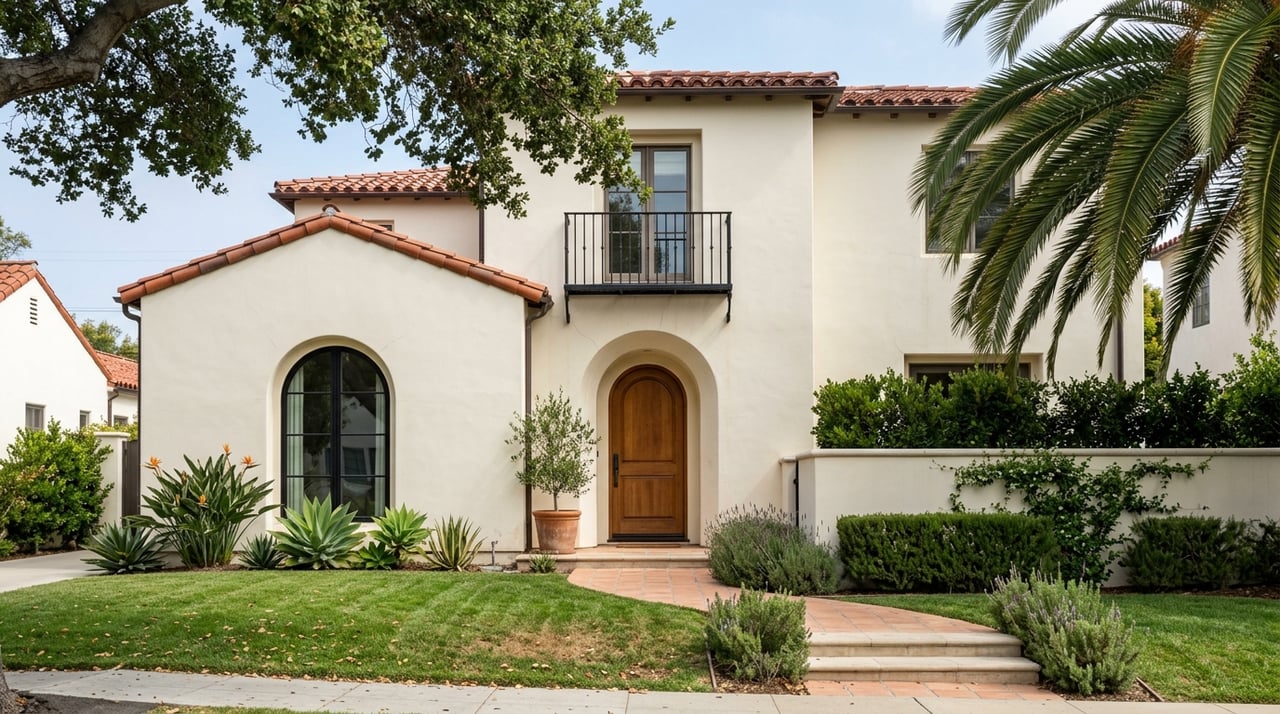
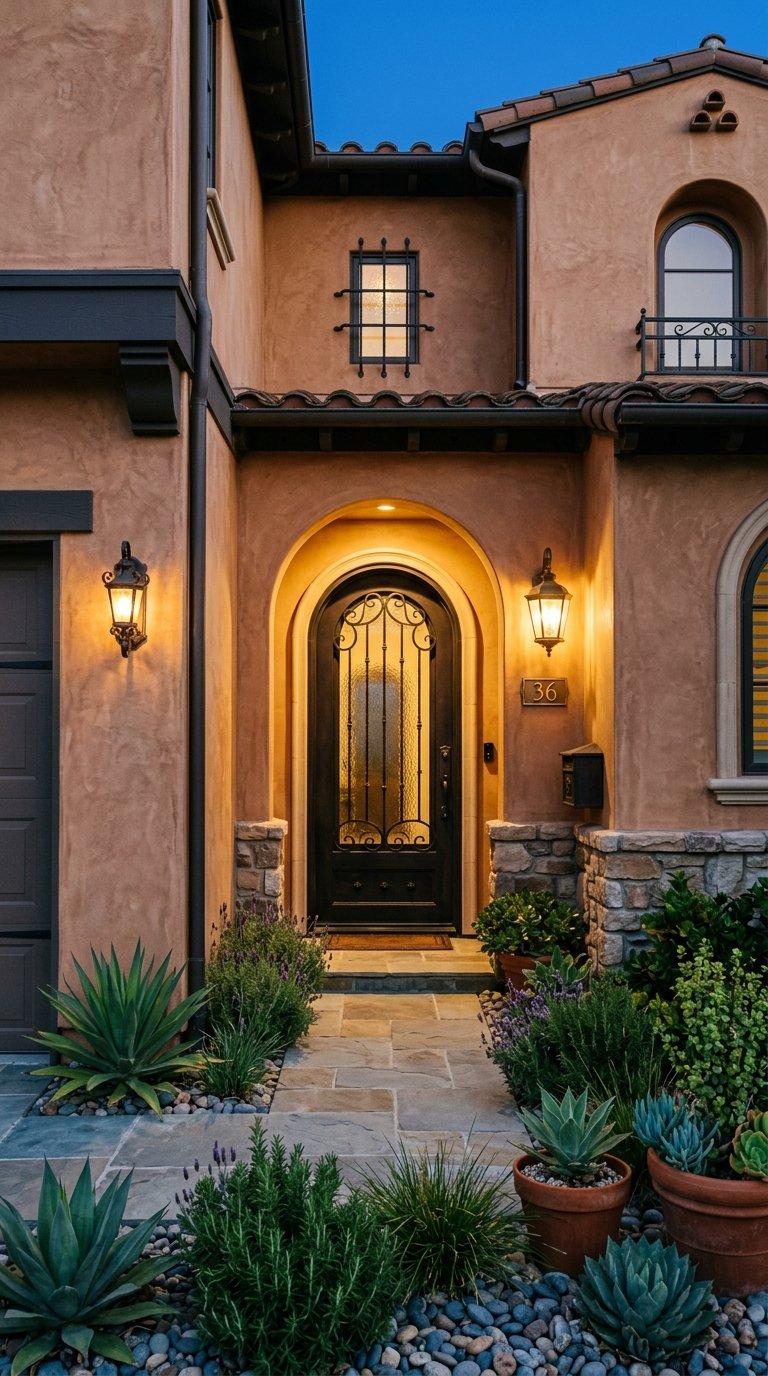
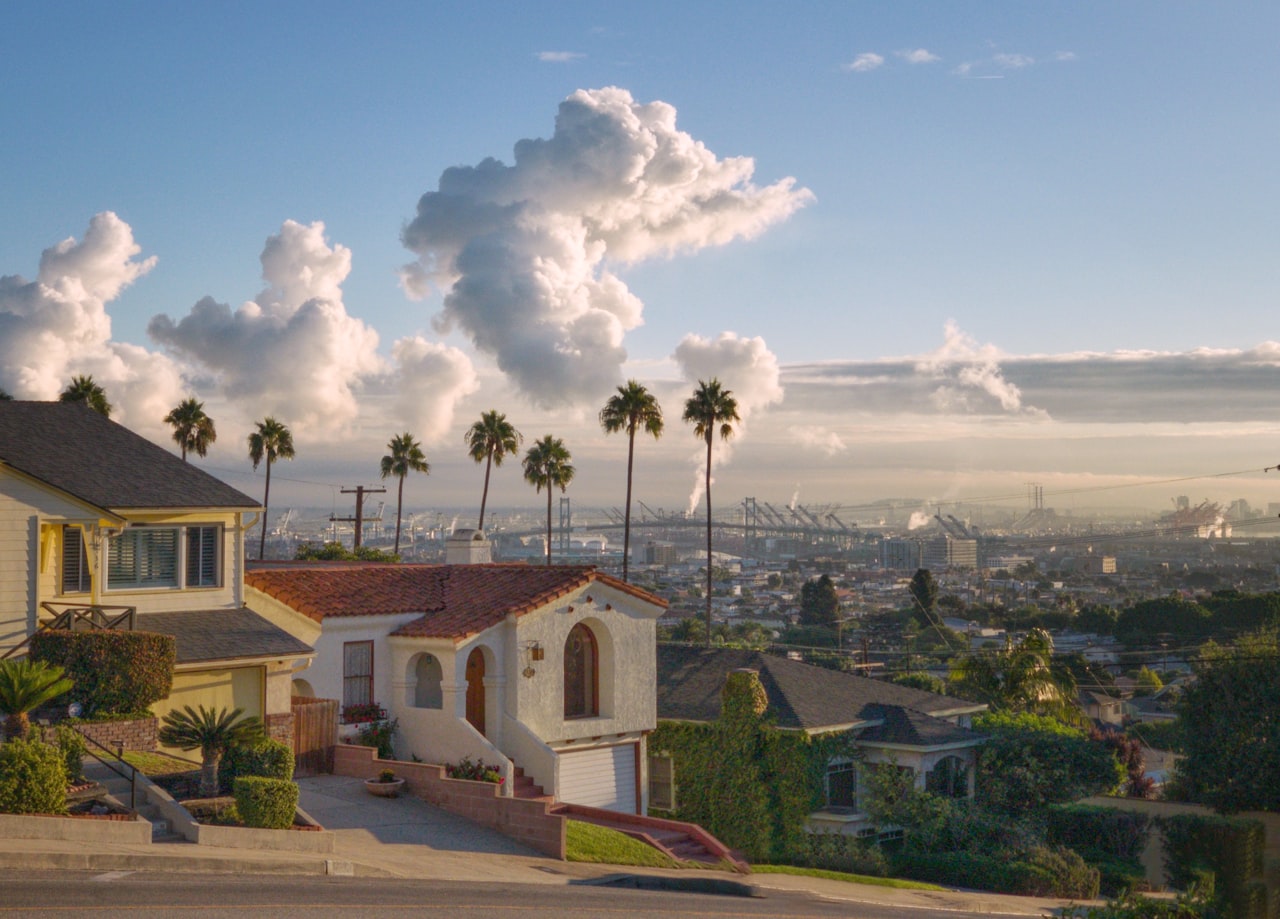
Eastside is mostly made up of single-family homes, with a smaller number of townhomes and condos mixed in. For many buyers, that creates a more classic detached-home search with more consistency from street to street.
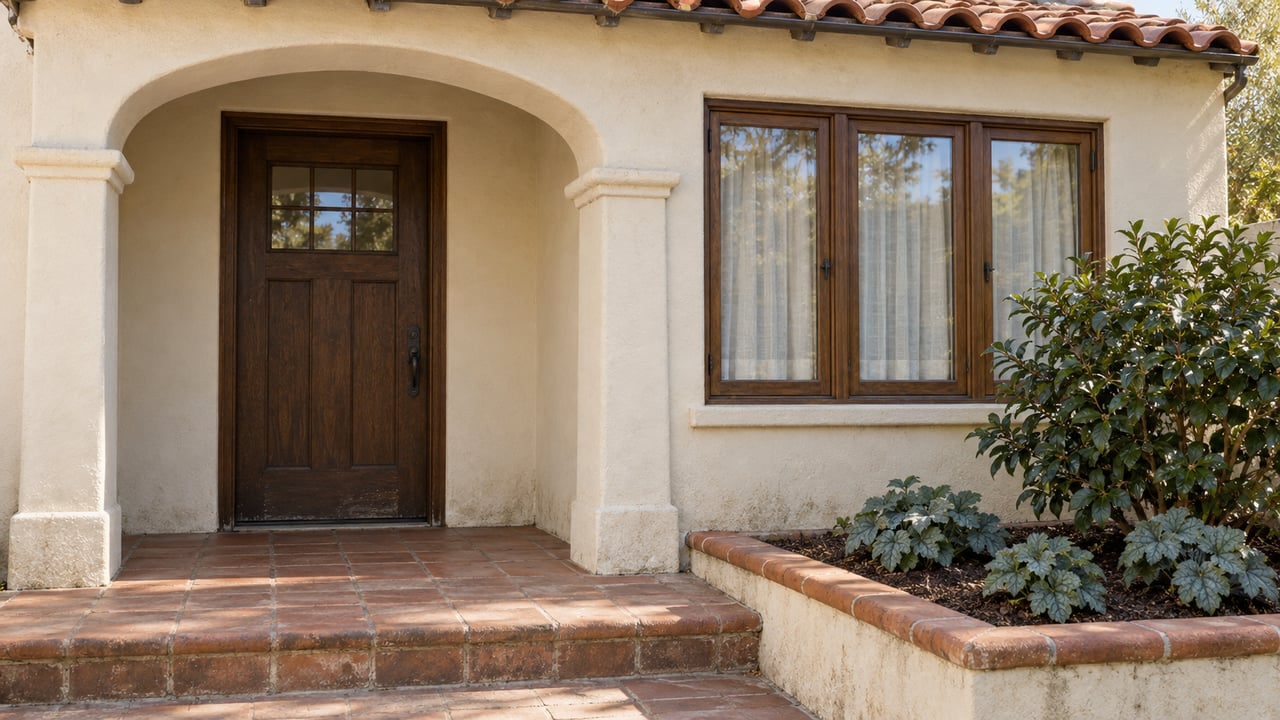
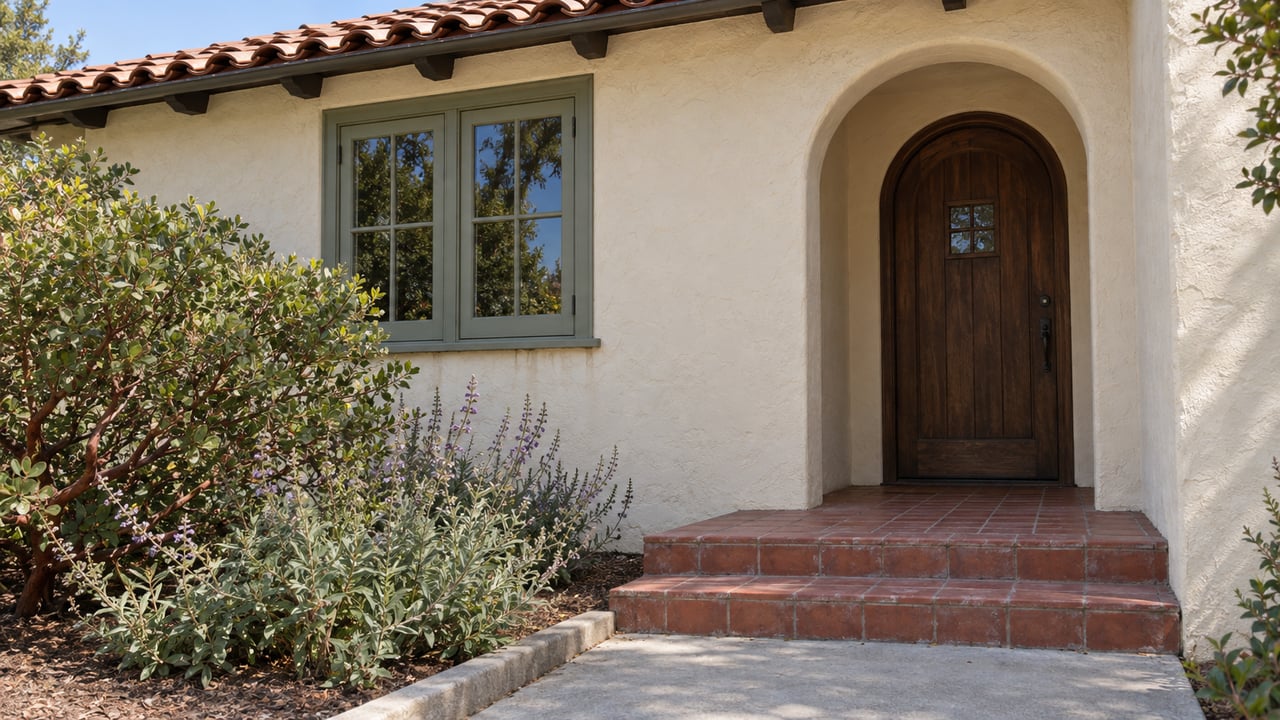
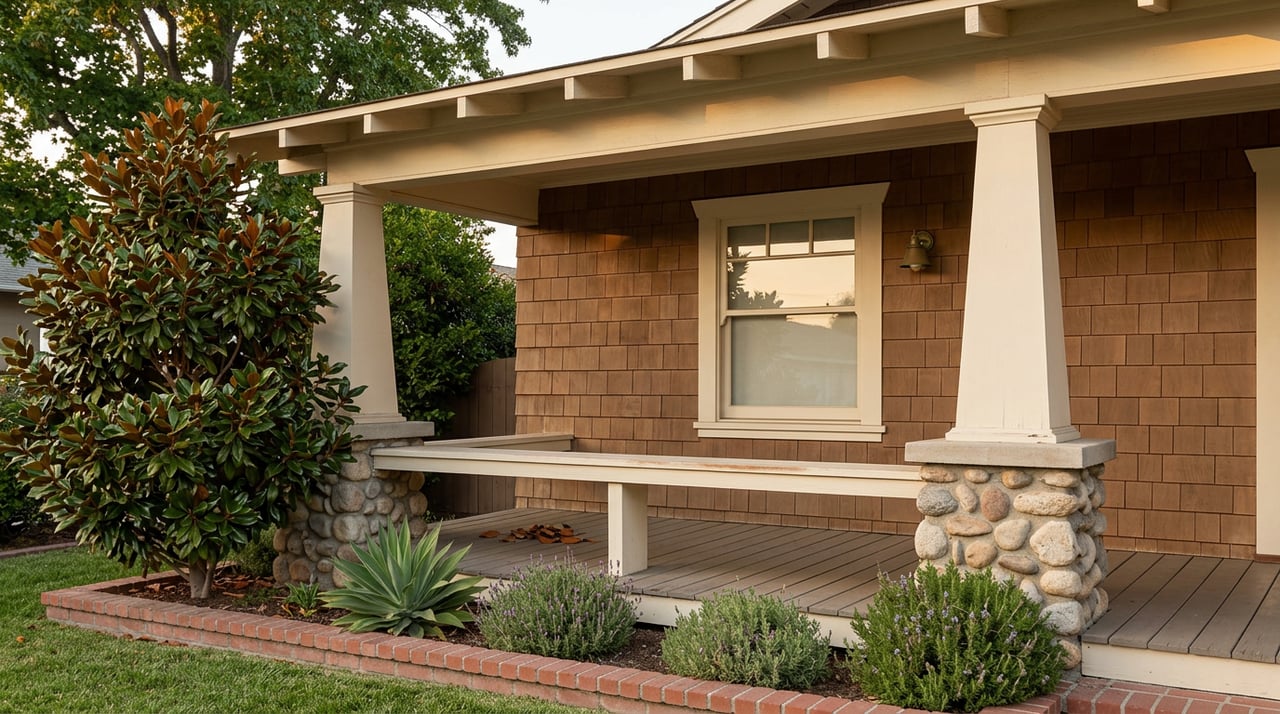
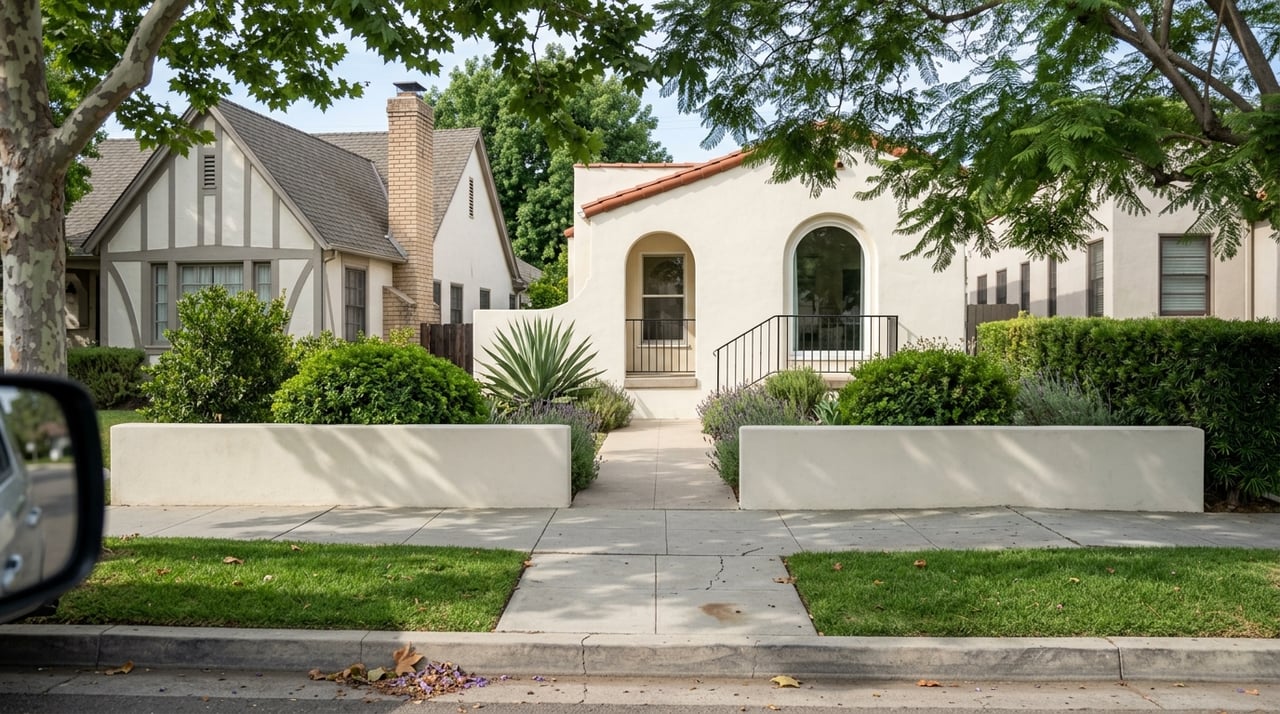
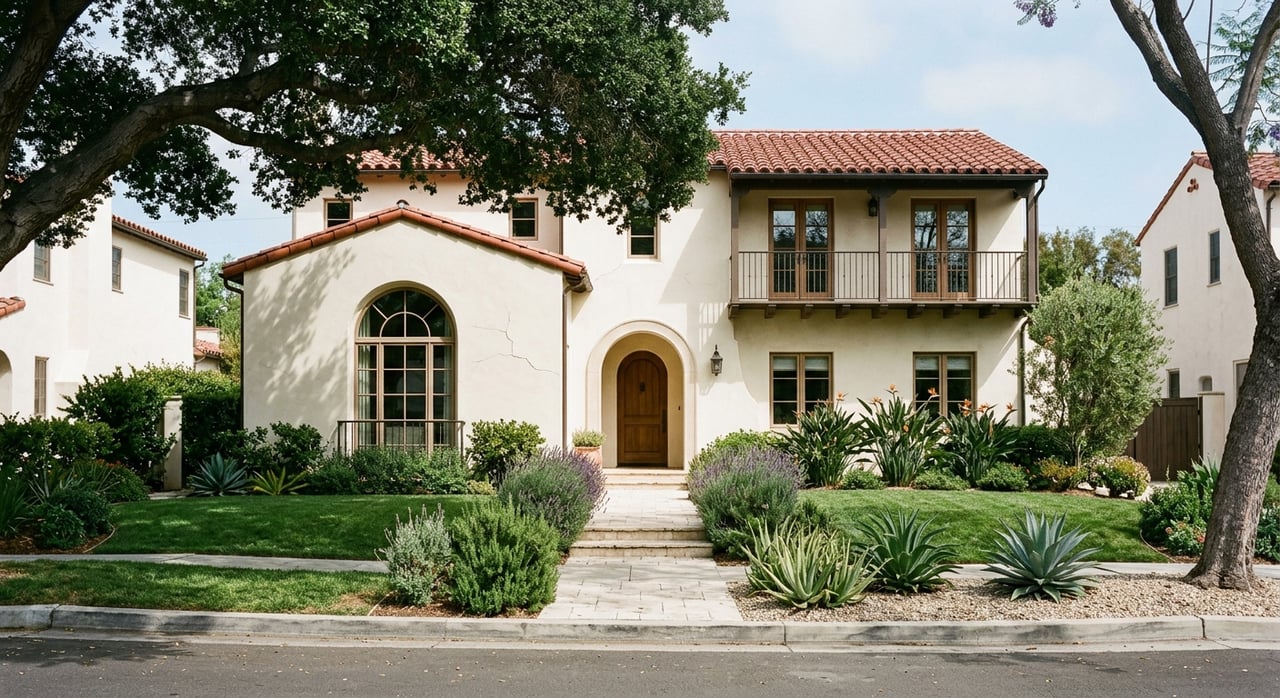
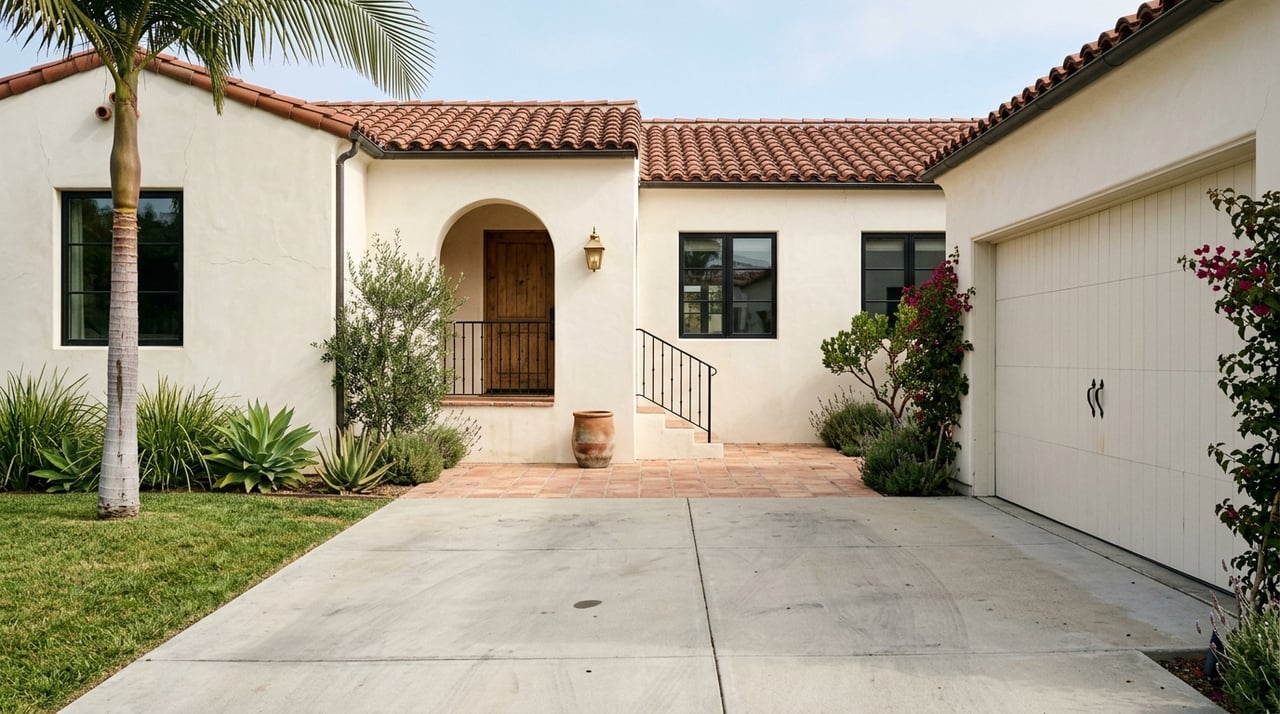
Homes.com reports 3,104 total homes in Eastside Costa Mesa. It also notes that many original homes are midcentury ranch-style, with some Colonial Revival and modern farmhouse examples in the mix.
Eastside homes are generally larger
On average, Eastside single-family homes are larger than Westside single-family homes. Homes.com reports an average single-family size of 1,828 square feet in Eastside, compared with 1,614 square feet in Westside.
Lot sizes also trend a bit larger. The median lot size in Eastside is listed at 7,405 square feet, versus 6,969 square feet in Westside. If you are looking for more interior space and a bit more yard, that helps explain part of the price difference.
Eastside has an established housing profile
The median year built in Eastside is 1961, according to Homes.com. That means many buyers are choosing between older original homes, updated remodels, and occasional newer reimagined properties.
That mix can appeal to buyers who want the feel of an established neighborhood but still want options. Some homes may offer original character, while others may reflect larger renovations or more design-forward updates.
Westside Homes: What You Can Expect
Westside offers more variety
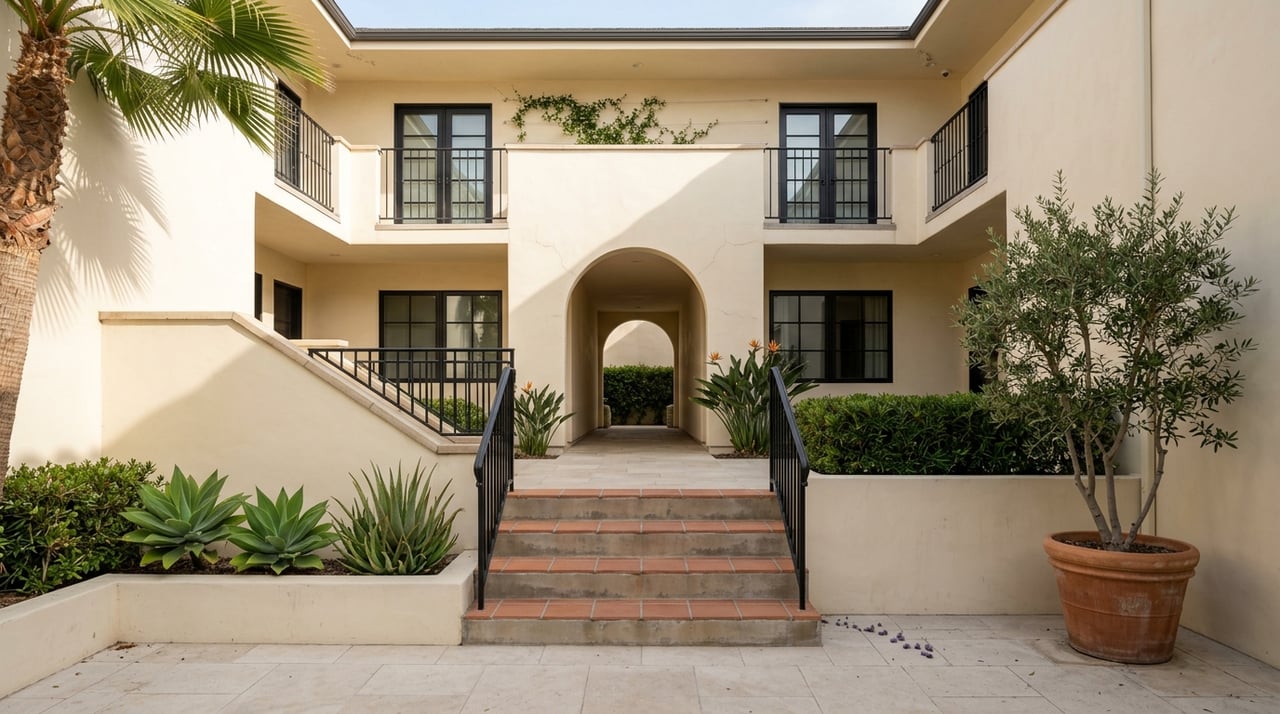
Westside Costa Mesa includes a mix of single-family homes, condos, and townhouses. That broader housing mix can create more options for buyers who are balancing budget, size, and location.
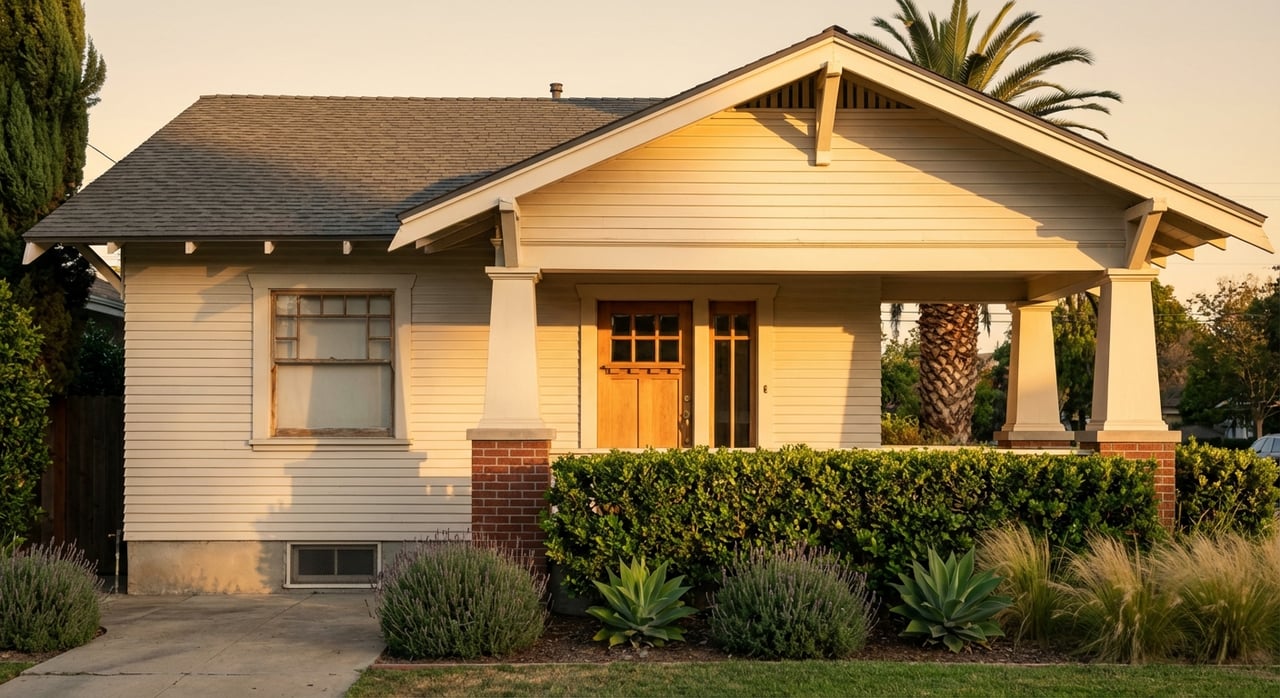
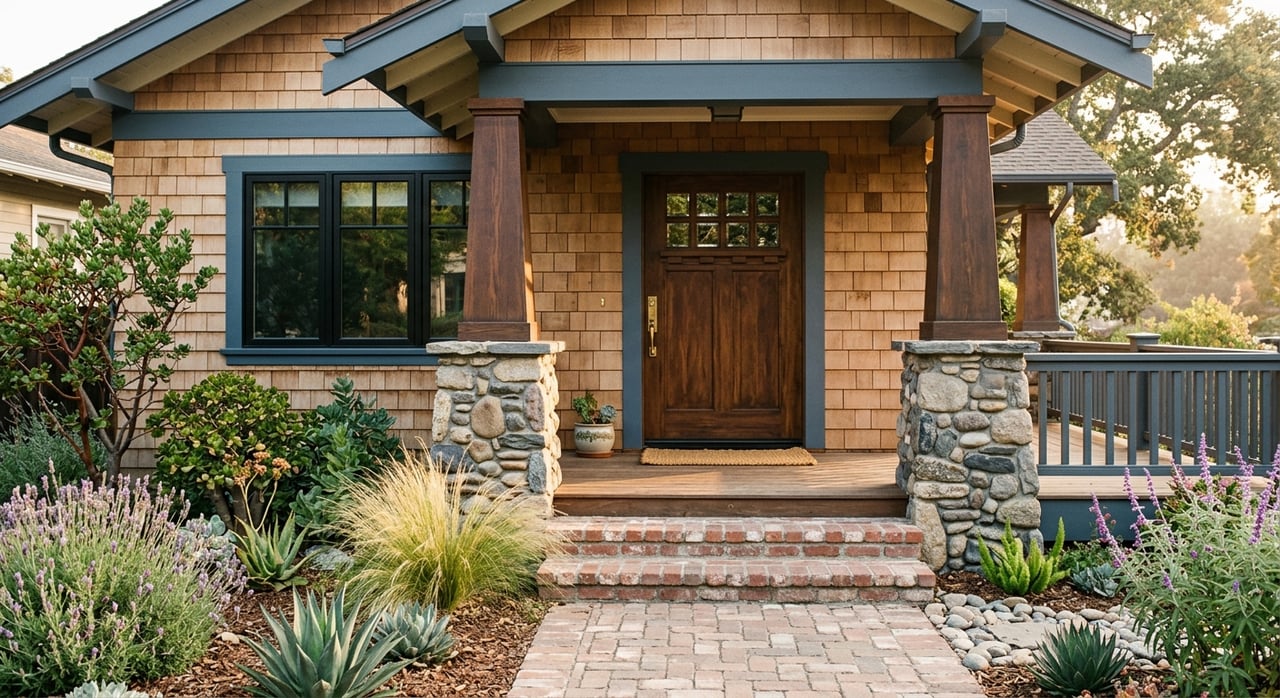
Homes.com reports 3,629 total homes in Westside, which is slightly more than Eastside. It also describes many of the original homes as California ranch-style homes built in the 1950s and 1960s.
Westside homes are often a more accessible entry point
Homes.com shows Westside’s current median sale price at about $1.325 million. Redfin’s March 2026 median sale price is very close at $1.305 million.
For buyers comparing the two neighborhoods, that positions Westside as the more accessible entry point. It can also open the door to condo and townhome options that may not be as available in Eastside.
Westside homes are typically a bit smaller
The median year built in Westside is 1960, according to Homes.com. Average single-family size comes in at 1,614 square feet, and the median lot size is 6,969 square feet.
That does not mean every Westside home is smaller or less expensive, but the neighborhood averages show a different baseline. In simple terms, Eastside’s average single-family home is about 214 square feet larger, based on published figures.
How the Prices Compare
Eastside commands a higher price per square foot
Pricing is not just higher in Eastside on a total-dollar basis. It is also higher on a price-per-square-foot basis.
Homes.com shows Eastside at $1,067 per square foot and Westside at $861 per square foot. Based on those figures, Eastside’s price per square foot is about 24% higher.
Property type matters in both neighborhoods
The gap becomes even clearer when you look at home type. Homes.com reports Eastside’s median single-family sale price at $2.249 million and Eastside townhouses at $1.60 million.
On the Westside, Homes.com reports a median single-family sale price of $1.63 million and a townhouse median of $932,500. That is a meaningful difference for buyers deciding whether they want a detached home, attached home, or lower-maintenance option.
How Competitive Are Eastside and Westside?
Both neighborhoods are active, and neither reads as slow in the current market. Redfin shows Eastside homes selling in about 32 days with a 99.3% sale-to-list ratio, while Westside homes sell in about 39 days with a 98.2% sale-to-list ratio.
That is a difference, but not a dramatic one. In practical terms, buyers should expect competition in both neighborhoods, especially for homes that are well-presented and priced in line with current demand.
Supply is also fairly tight in both areas. Homes.com reports about 3.3 months of supply in Eastside and 3.0 months in Westside, which supports the idea that both remain active markets.
Lifestyle and Location Differences
Eastside feels more traditionally residential
Eastside is often defined by its residential feel and park access. Homes.com notes that most homes are walkable to neighborhood parks, and Upper Newport Bay Nature Preserve borders the area.
East 17th Street serves as a key commercial corridor for everyday errands and dining. Homes.com also places Newport Beach and Huntington State Beach within 5 miles, with South Coast Plaza about 5 miles away.
Westside feels more coast-adjacent
Westside has a more beach-forward feel in the data. Homes.com places the neighborhood about 2 miles from the coast, with Newport Beach about 2 miles away and Huntington State Beach about 4 miles away.
Westside also benefits from access to Fairview Park. The City of Costa Mesa describes Fairview Park as the city’s largest park at 208 acres, with trails and regional trail connections.
Commute access differs slightly
Eastside offers strong road access, with Interstate 405 about 5 miles north and John Wayne Airport about 5 miles away via the 55, according to Homes.com. Local bus routes also run along major roadways.
Westside is closer to Pacific Coast Highway, the Costa Mesa Freeway, and John Wayne Airport, which Homes.com places about 5 miles away and roughly a 9-minute drive. If quick coastal access matters to you, that may shape your search.
Why Planning Matters in This Comparison
Costa Mesa’s city planning helps explain why these neighborhoods feel different. The city’s current policy aims to preserve single-family neighborhoods while directing much of new development toward commercial and industrial corridors.
That matters because Eastside remains more closely associated with a classic single-family neighborhood pattern. Westside, by contrast, includes areas where the city has approved residential, mixed-use, and live/work opportunities through overlay zones.
Westside should be evaluated block by block
The City of Costa Mesa identifies three overlay areas on the Westside: Mesa West Residential Ownership, 19 West, and Mesa West Bluffs. City guidance describes these areas as places with opportunities for residential or mixed-use development, with 19 West identified as a revitalization area.
The city also notes that mixed-use areas can bring nearby noise, odor, or vibration from commercial or industrial uses. For buyers, that means Westside is especially important to evaluate on a block-by-block basis rather than treating the entire area as one uniform housing experience.
Eastside tends to offer more consistency
Because city policy emphasizes preserving single-family neighborhoods, Eastside generally aligns more closely with buyers who want a more consistent detached-home environment. That does not mean every Eastside block is the same, but the housing pattern is more predictable overall.
For some buyers, that consistency is worth the higher price. For others, Westside’s broader mix of home styles and price points may create better opportunities.
Which Neighborhood Fits Your Search?
Eastside may fit you better if you want:
- More traditional single-family inventory
- Larger average home size
- Slightly larger lots
- A stronger single-family neighborhood identity
- A market segment that consistently commands a premium
Westside may fit you better if you want:
- A lower entry point into Costa Mesa
- More condos and townhome options
- Closer access to the coast
- Proximity to Fairview Park and major corridors
- More flexibility from block to block and property type to property type
The Bottom Line on Eastside vs Westside Costa Mesa
If you are choosing between Eastside and Westside Costa Mesa, the home search usually comes down to price, property type, and neighborhood pattern. Eastside tends to deliver the more classic detached-home experience, with larger average homes, slightly larger lots, and higher prices. Westside tends to offer more variety, a lower cost of entry, and a more mixed planning framework.
Neither option is better for everyone. The right fit depends on how you want to live, what type of home you want to buy, and how much flexibility you have in your budget.
If you want help comparing specific streets, property types, or current listings in Costa Mesa, Mary Dix can help you narrow the search and make sense of the numbers with clear, neighborhood-specific guidance.
FAQs
What is the main price difference between Eastside and Westside Costa Mesa?
- Eastside Costa Mesa consistently prices higher than Westside Costa Mesa across current market data, with sources showing Eastside medians and averages well above Westside in both total price and price per square foot.
What types of homes are most common in Eastside Costa Mesa?
- Eastside Costa Mesa is predominantly made up of single-family homes, with a smaller number of townhomes and condos.
What types of homes are most common in Westside Costa Mesa?
- Westside Costa Mesa includes a mix of single-family homes, condos, and townhouses, giving buyers a wider range of property types.
Are homes in Eastside Costa Mesa larger than homes in Westside Costa Mesa?
- On average, yes. Homes.com reports average single-family size at 1,828 square feet in Eastside compared with 1,614 square feet in Westside.
Is Westside Costa Mesa closer to the beach than Eastside Costa Mesa?
- Based on Homes.com neighborhood data, Westside Costa Mesa is generally closer to the coast, with Newport Beach about 2 miles away versus under 5 miles from Eastside.
Is Eastside or Westside Costa Mesa more competitive for buyers?
- Both neighborhoods appear competitive, with Redfin data showing relatively similar days on market and sale-to-list ratios, so buyers should be prepared for active conditions in either area.
Why does Westside Costa Mesa vary so much from block to block?
- Westside Costa Mesa includes city-approved overlay areas for residential, mixed-use, and live/work development, which can create more variation in housing type and nearby uses depending on the block.