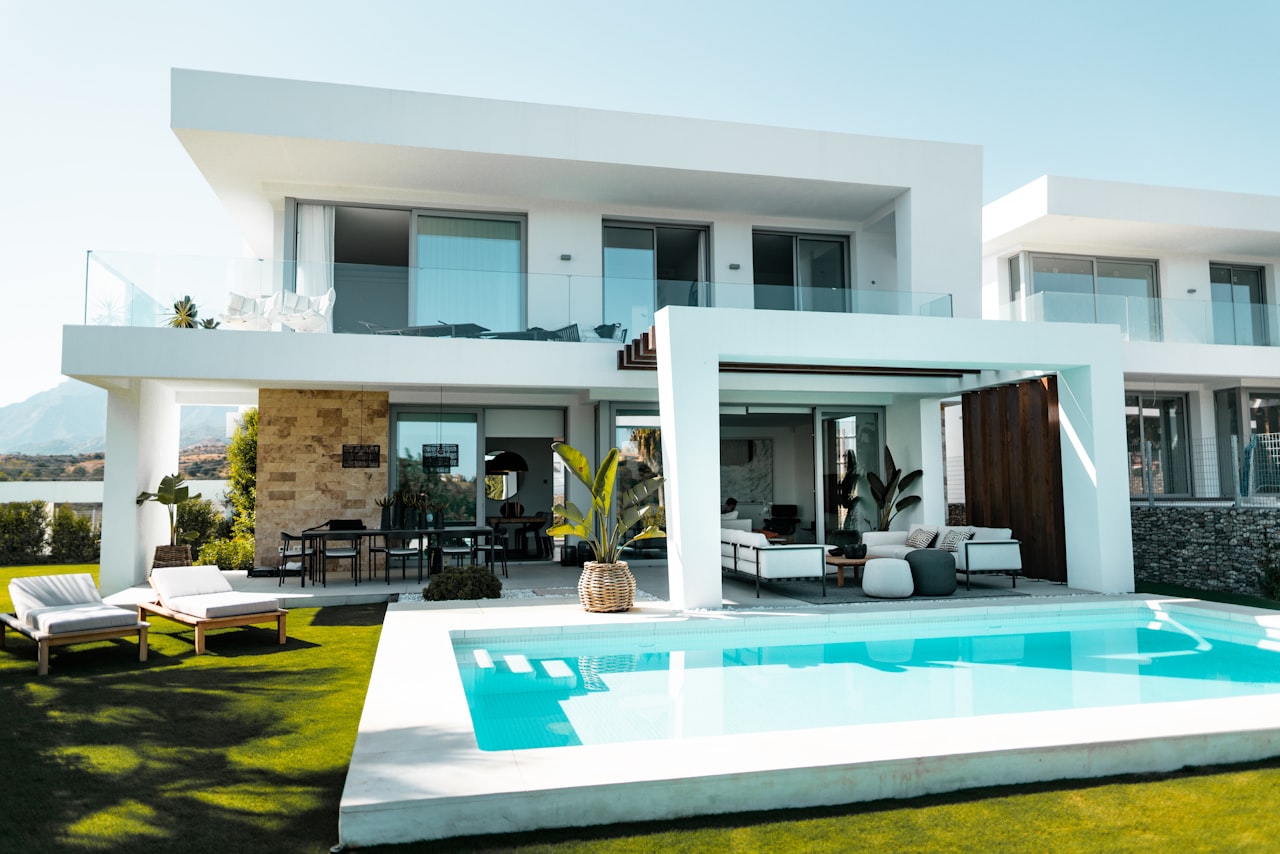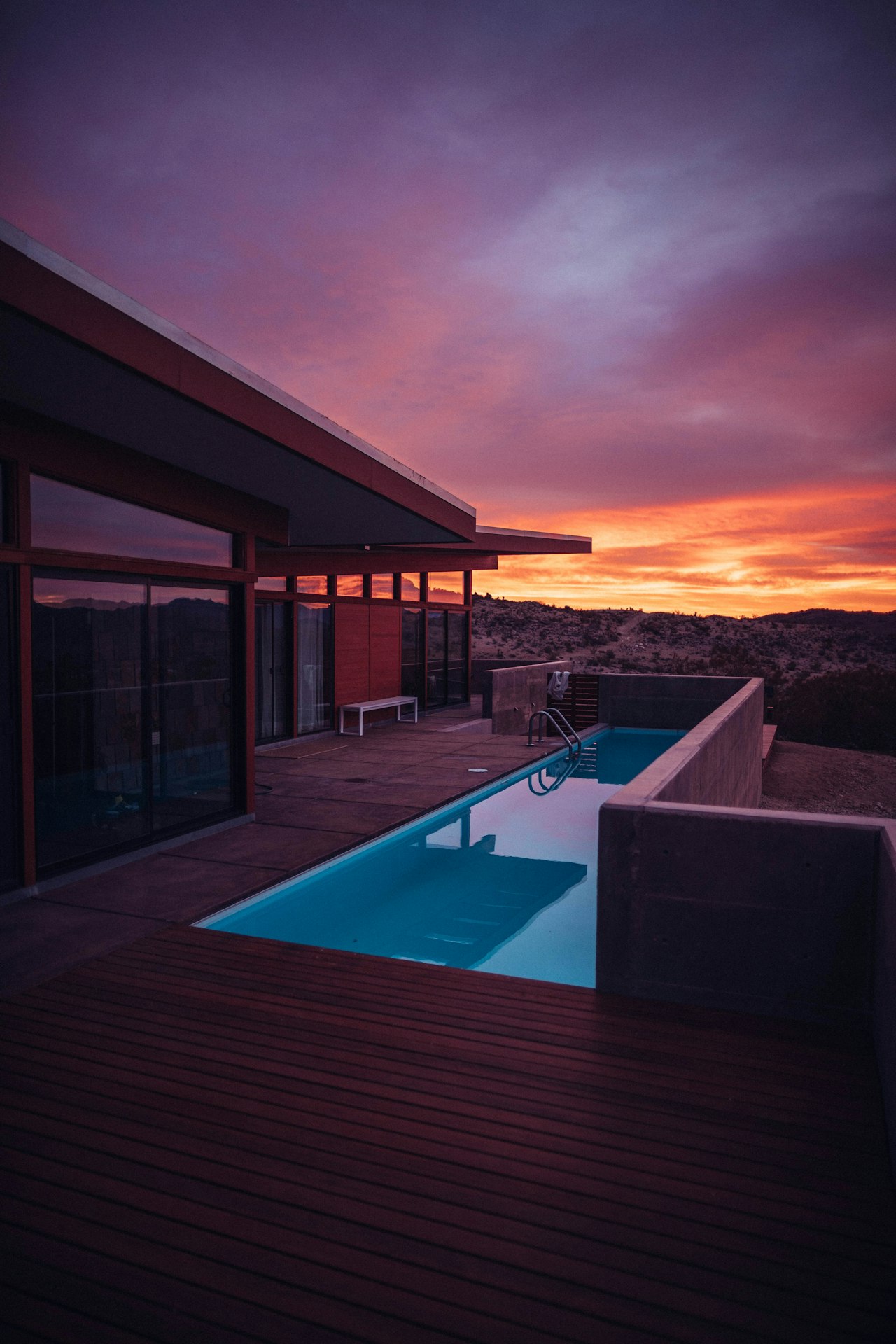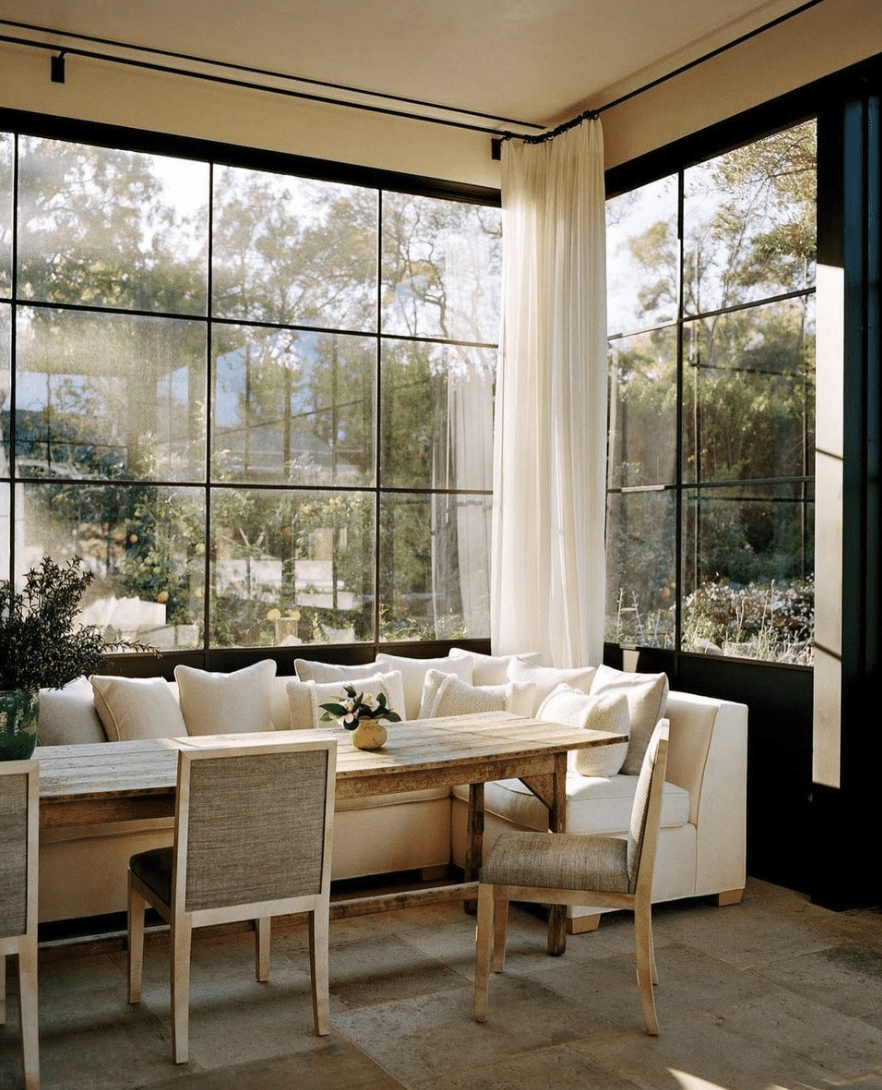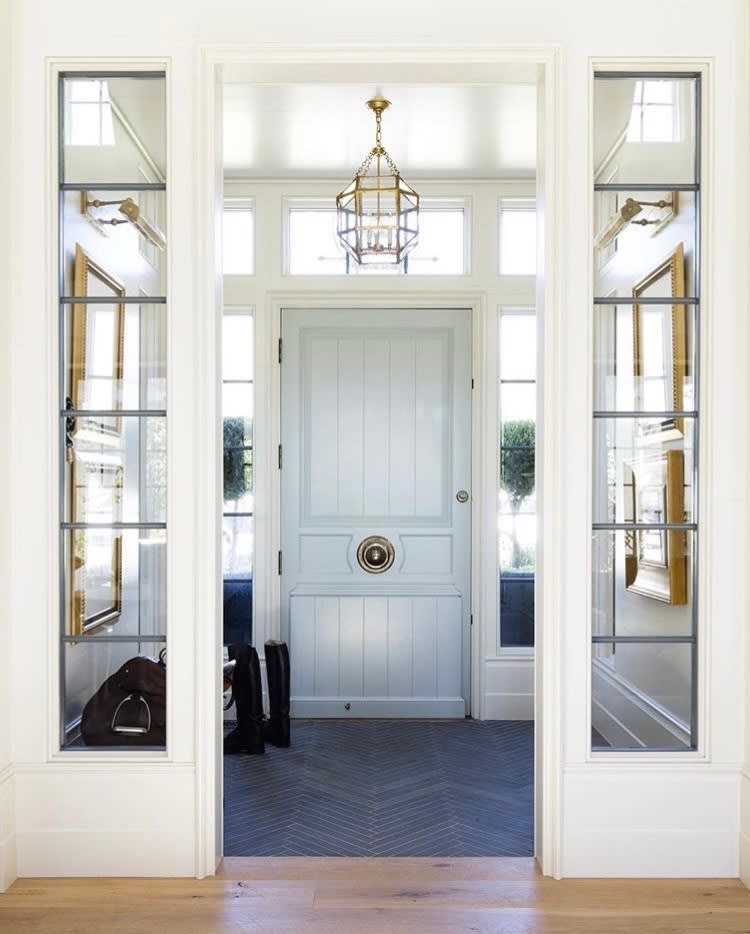
Wondering whether a condo or a single-family home makes more sense in Glendale? You are not alone. In a city with both dense, amenity-rich areas and quieter low-density neighborhoods, the right choice often comes down to how you want to live, what you want to spend each month, and how much responsibility you want to take on yourself. This guide will help you compare the tradeoffs clearly so you can move forward with more confidence. Let’s dive in.
Glendale offers both options
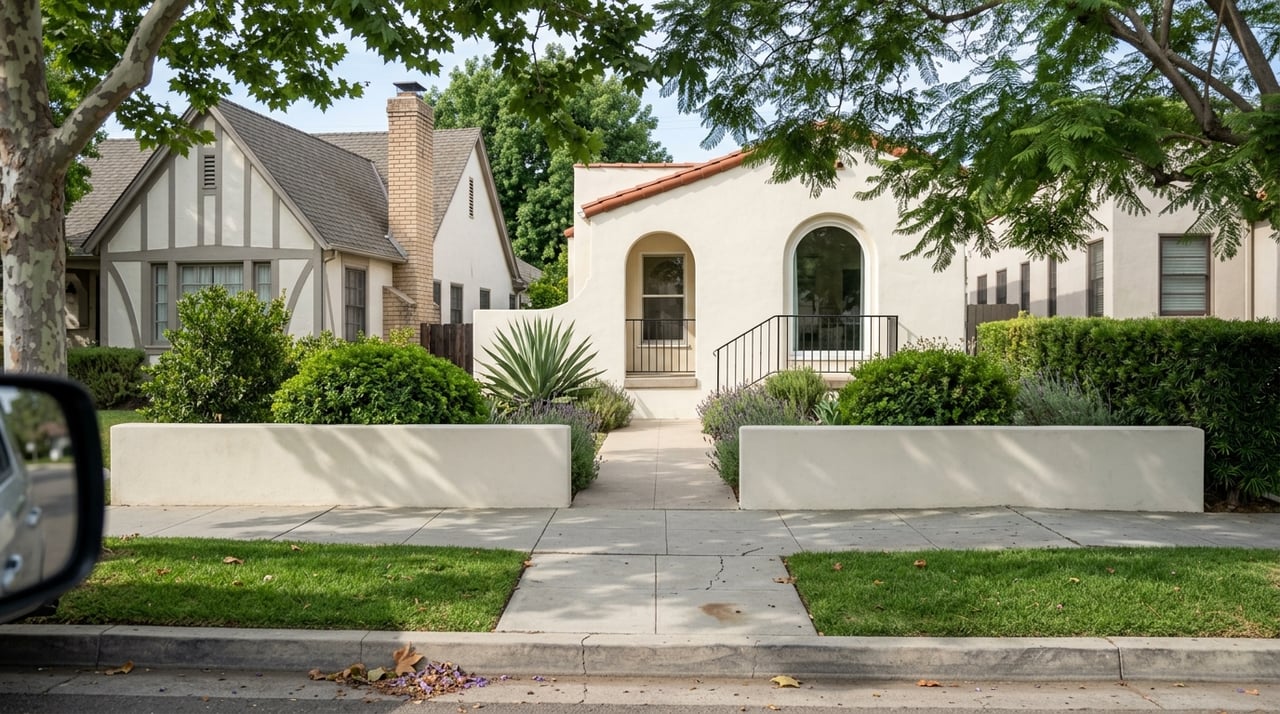
Glendale is not a one-style housing market. The city includes low-density hillside areas with many single-family homes, along with higher-density areas around downtown that include apartments and condominiums. City planning materials note that Glendale is divided into 34 neighborhoods shaped by streets, washes, and mountain ridges.
That mix matters when you start your home search. A condo, townhome, and detached house can each fit well in Glendale, but they often support different priorities. Your best choice depends less on what is “better” and more on what fits your day-to-day life.
A state housing report for Glendale found that in 2020, 52.6% of housing units were multifamily buildings with five or more units, while 34.4% were single-family detached homes. Duplex-to-fourplex units made up 8.6%, and single-family attached homes made up 4.4%. In other words, Glendale gives you real options.
Start with monthly cost
For most buyers, the biggest decision point is not just the purchase price. It is the full monthly cost of ownership. In Glendale, that question deserves extra attention because citywide housing costs are significant.
The latest Census Bureau QuickFacts for Glendale show a median value of owner-occupied homes of $1,102,300. The same source reports median monthly owner costs with a mortgage of $3,756. That gives useful context, but your personal budget still needs to account for the type of property you choose.
With a condo or townhome, your monthly payment may include more than principal, interest, taxes, and insurance. HOA dues are usually paid separately from the mortgage, and they can range from a few hundred dollars to more than $1,000 per month. You may also need separate unit insurance because association master insurance typically covers common areas, not the interior of your unit.
With a single-family home, you may avoid HOA dues in some cases, but that does not mean your costs are lower. You are generally responsible for the roof, yard, exterior upkeep, and repairs tied directly to your property. The better question is not “Which one is cheaper?” but “Which set of costs feels more predictable and manageable for you?”
Condo living: convenience with shared rules
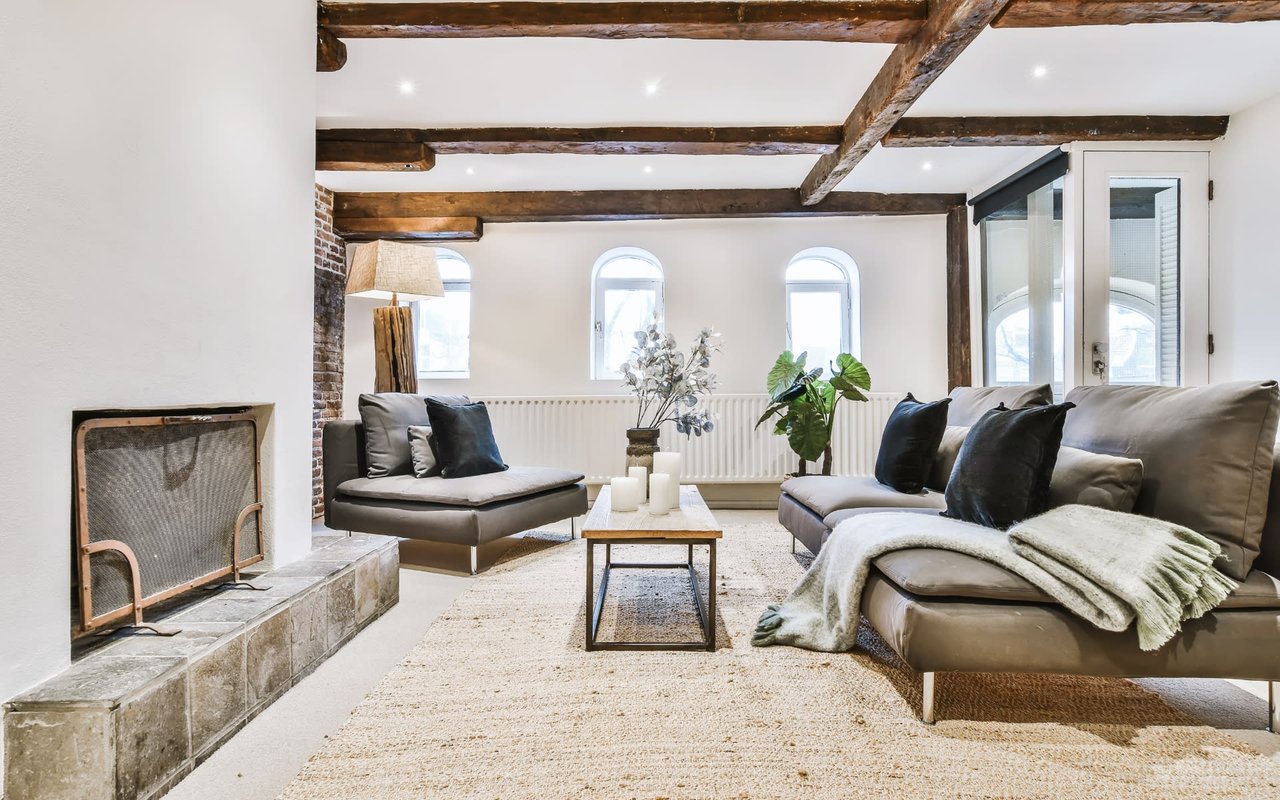
A condo or townhome can be a strong fit if you want lower direct exterior maintenance and easier access to Glendale’s commercial core. The city highlights its location near Downtown Los Angeles, Pasadena, Burbank, Hollywood, and Universal City. Glendale also sits at the center of four major freeways and has Beeline bus routes connecting to places including JPL, Burbank, and Metrolink stations.
For many buyers, that access is a major plus. If you want a home that supports a more connected, lower-maintenance routine, a condo or townhome may check the right boxes. This can be especially appealing if you care more about convenience and location than having a large private yard.
Still, condo ownership comes with a structure you need to understand. In California, many condo and townhome purchases are part of a common-interest development. The California Department of Real Estate notes that when you buy a lot, home, townhouse, or condominium in this kind of development, membership in the homeowners association is automatic.
That means you are not just buying the home itself. You are also agreeing to shared governance, assessments, and rules that can affect daily living, architectural changes, and common facilities. For some buyers, that tradeoff feels worthwhile. For others, it feels limiting.
What to weigh with a Glendale condo
Before choosing a condo or townhome, think through these practical questions:
- How comfortable are you with monthly HOA dues?
- Do you want less hands-on exterior maintenance?
- Are you okay with association rules and shared decision-making?
- Would access to central Glendale and major transit corridors improve your daily routine?
- Do you plan to rent the property later?
That last point matters. Under California Civil Code section 4525, common-interest development disclosures can include rental restrictions or leasing prohibitions. If future flexibility matters to you, those rules deserve careful review.
Single-family living: more control, more responsibility
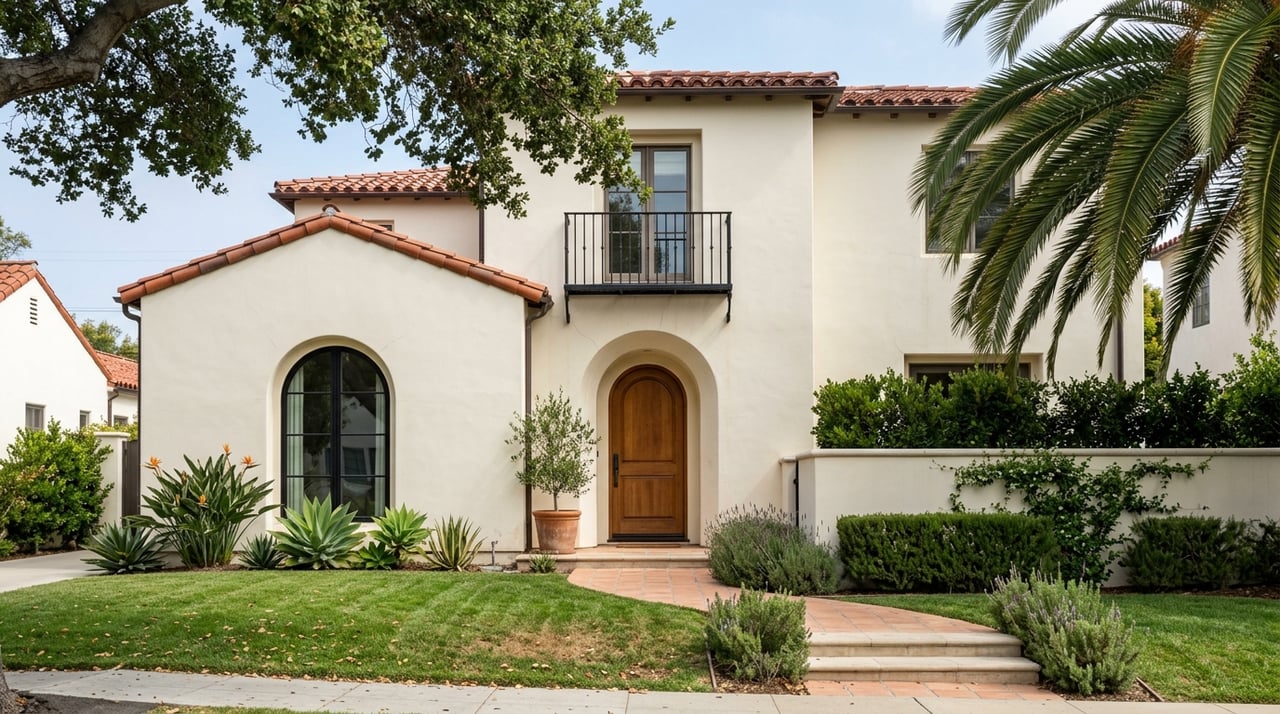
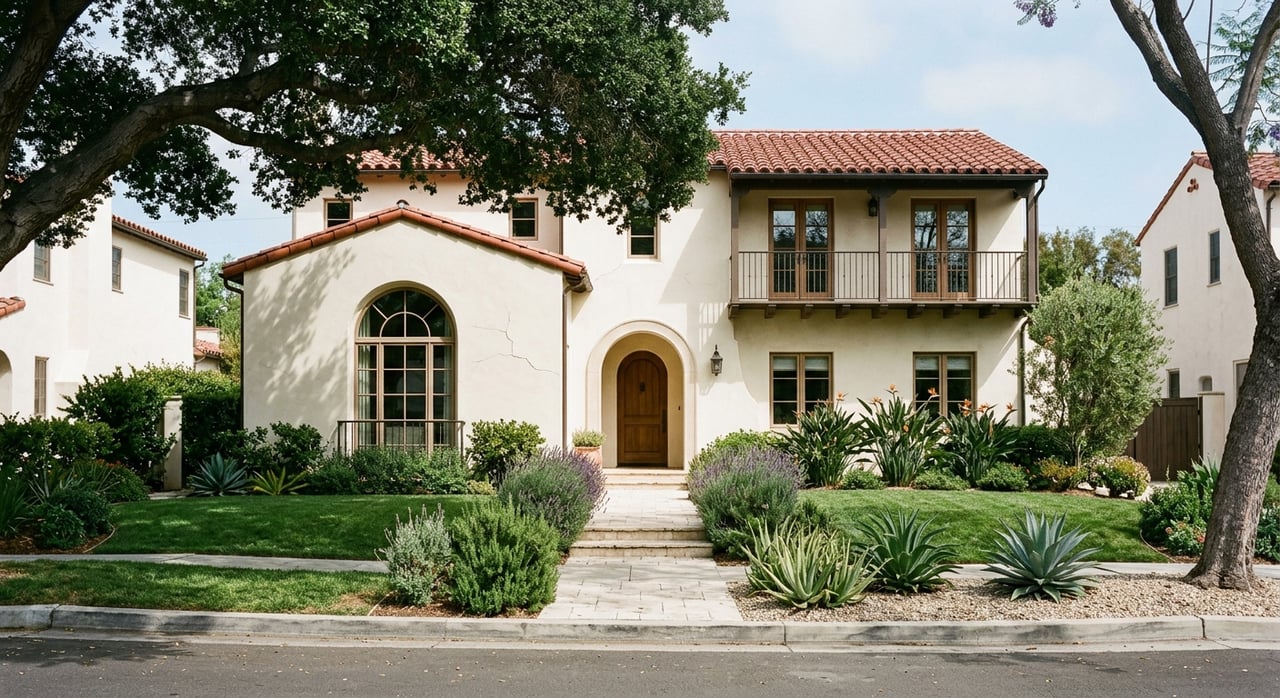
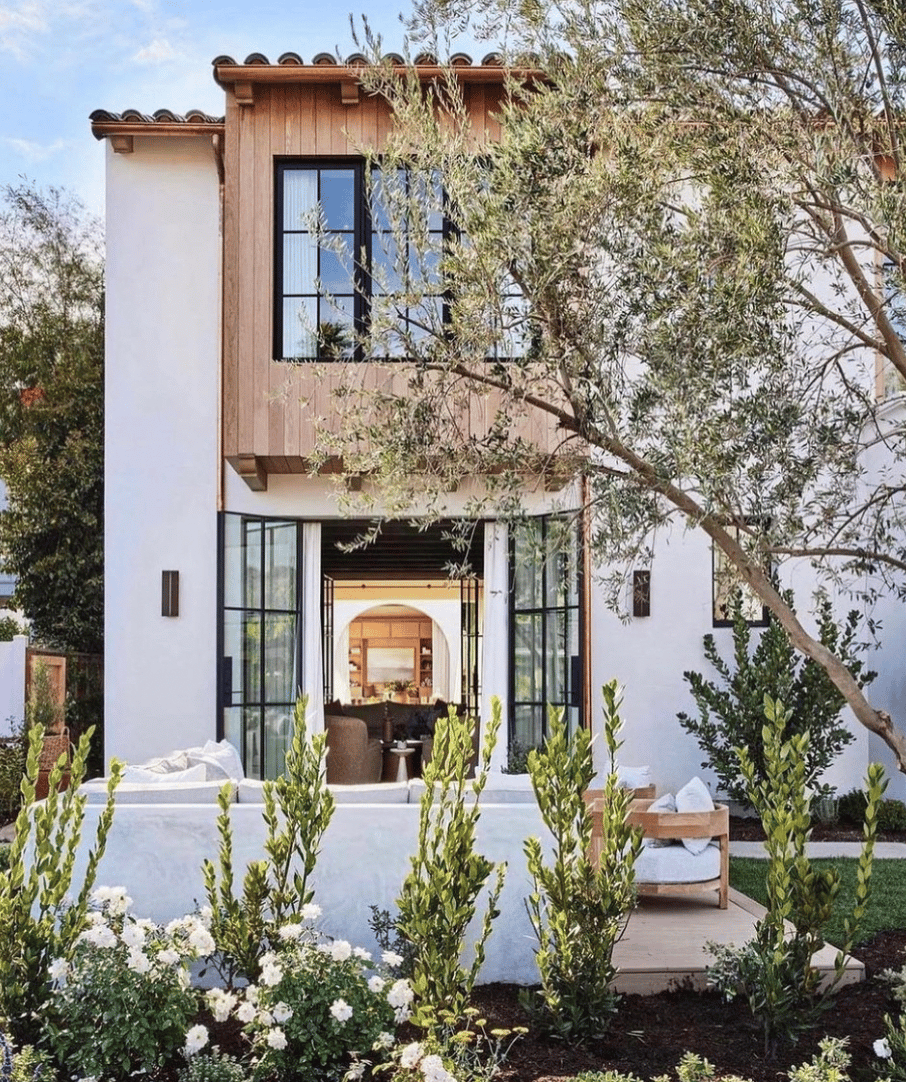
A detached home often appeals to buyers who want more privacy, more room, and more direct control over the property. If you want to make exterior changes, manage your own landscaping, or plan future improvements, a single-family home may give you more freedom.
That independence can feel especially valuable in a city like Glendale, where neighborhoods vary widely in setting and layout. Some buyers simply want space to spread out and make the property their own. In that case, the tradeoff of more upkeep may be worth it.
At the same time, more control usually means more responsibility. Unlike HOA living, there is typically no association handling shared systems or exterior maintenance for you. You should plan for repairs, yard work, and ongoing property care as part of your ownership budget.
In Glendale’s hillside and canyon communities, there can also be added exterior responsibilities. The city’s Vegetation Management Program focuses on defensible space in these areas, and CAL FIRE identifies defensible space as a key part of wildfire safety. If you are considering a detached home in those parts of Glendale, landscape upkeep is not just a cosmetic issue. It can be part of responsible ownership.
What to weigh with a Glendale single-family home
A detached home may be the better fit if these priorities sound like you:
- You want more privacy
- You want more direct control over the property
- You expect to do your own exterior improvements over time
- You are comfortable budgeting for repairs and maintenance
- You want more space inside or outside
For many move-up buyers, that level of control is a major advantage. Just make sure your enthusiasm for space also includes a realistic plan for upkeep.
The HOA review matters more than many buyers expect
If you lean toward a condo or townhome, the HOA document review is one of the most important parts of your decision. In California, sellers in many common-interest developments must provide a substantial package of disclosures before transfer of title or contract execution.
Under Civil Code section 4525, that package can include governing documents, current assessments and unpaid fees, notice of unresolved violations, rental restrictions if any, board minutes on request, and the latest inspection report. This is not paperwork you want to skim.
A condo that looks perfect on the surface can feel very different once you understand the rules, fees, and condition issues tied to the association. Reviewing these details carefully helps you avoid surprises and compare properties more accurately.
Financing and insurance can differ
Another detail buyers sometimes miss is that condo financing can work a little differently than financing for a detached home. The Consumer Financial Protection Bureau notes that lenders can sometimes charge slightly more for loans used to buy a condo.
That is why it helps to compare multiple loan estimates and make sure lenders have accurate property details, including HOA dues and taxes. Without those numbers, your monthly payment estimate may not reflect the real cost of ownership.
Insurance also deserves a side-by-side comparison. With a condo, you still usually need your own unit insurance because the association’s master policy generally covers common areas rather than your interior space. With a detached home, you will typically carry insurance tied to the whole property, so the coverage structure is different.
A simple way to decide
If you are stuck between the two, keep your decision focused on three things: total monthly cost, upkeep, and control. Those three factors usually reveal the right fit faster than square footage alone.
A condo or townhome may make sense if you want easier maintenance, strong access to Glendale’s commercial and transportation corridors, and you are comfortable with HOA rules and fees. A single-family home may make more sense if you want more privacy, more space, and more say over how the property is used and maintained.
Neither option is universally better. Glendale’s housing mix is exactly what makes this decision so personal. The goal is to find the home that supports the way you actually want to live, not the one that sounds best in theory.
If you want help weighing real Glendale listings side by side, from monthly cost to resale flexibility, Mary Dix can guide you through the details with a clear, concierge-level approach.
FAQs
Are HOA dues included in a Glendale condo mortgage payment?
- Usually not. HOA dues are typically paid separately from the mortgage, though payment handling can vary.
How much can HOA dues cost for a Glendale condo or townhome?
- HOA dues vary widely and can range from a few hundred dollars per month to more than $1,000.
What should you review before buying a Glendale condo or townhome?
- Review the governing documents, current assessments, unpaid fees, any unresolved violations, rental restrictions, board minutes if requested, and the latest inspection report.
Do Glendale townhomes always work like condos?
- No. Many townhomes are part of common-interest developments, but you should confirm the legal structure instead of assuming based on the name.
When is a single-family home in Glendale the better choice?
- A single-family home may be a better fit if you want more privacy, more control over the property, and you are comfortable handling exterior maintenance and repair responsibilities yourself.