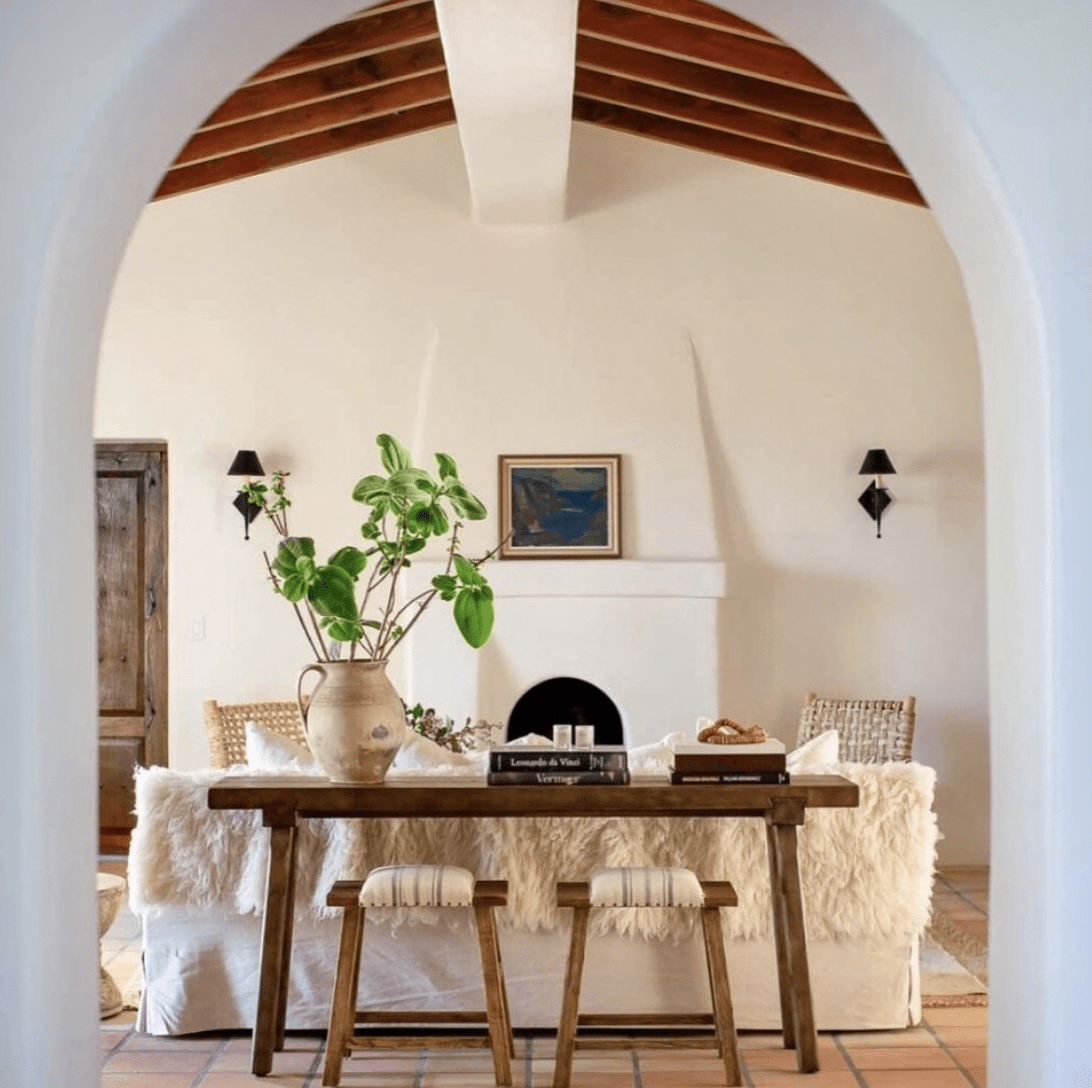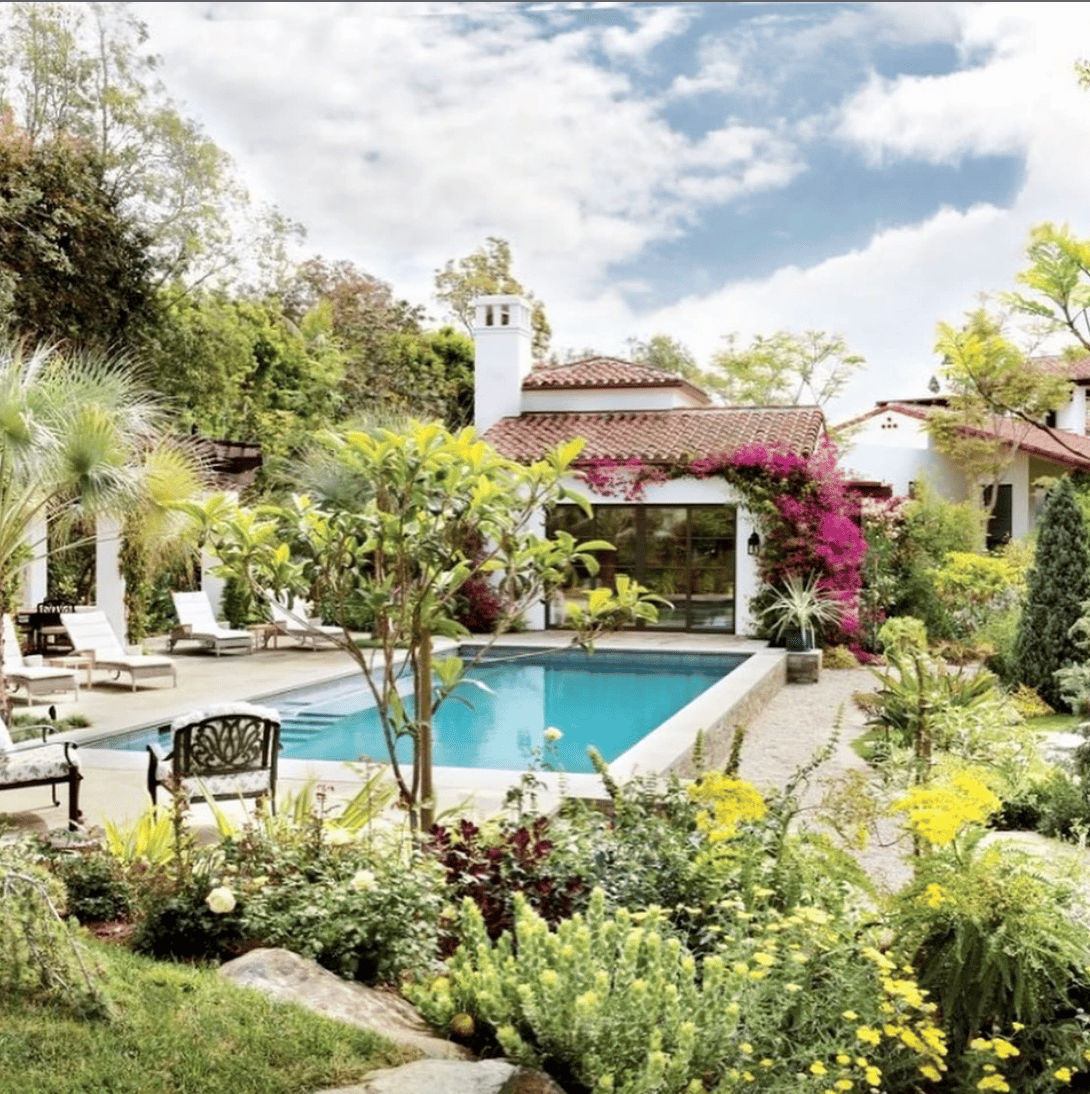
Trying to choose between a small-lot home and a condo in Glassell Park? You are not alone. Many Northeast LA buyers weigh these two options because both offer an urban lifestyle with a manageable footprint. In this guide, you will learn how ownership works, what monthly costs look like, how financing differs, and what to expect for resale in Glassell Park.
Let’s dive in.
Small-lot vs condo definitions
Small-lot homes in Los Angeles
Small-lot homes are typically fee-simple single-family houses on compact parcels created under the City of Los Angeles Small Lot Subdivision rules. You own the land and the structure outright. Some developments include shared elements, such as private driveways or retaining walls, managed by recorded covenants or a small HOA.
This setup often gives you more control over exterior choices and future changes than a condo owner has. Still, recorded CC&Rs or easements can limit certain actions, so it is important to review the documents.
Condos in Los Angeles
Condominiums give you fee ownership of your interior unit plus a shared interest in the land and common areas, such as exterior walls, roofs, and amenities. A homeowners association manages budgets, reserves, rules, and maintenance under California’s Davis-Stirling Common Interest Development Act.
In a condo, you focus on the interior while the HOA handles the building and shared spaces. Monthly dues fund that work, and special assessments can occur for capital updates.
Key legal differences
- Small-lot homes: fee-simple ownership of land and structure. HOA may or may not exist. Rules, if any, come from CC&Rs covering shared areas.
- Condos: ownership of a unit plus undivided interest in common areas. A mandatory HOA enforces rules, budgets, and reserves.
- Bottom line: small-lot owners typically have more control, while condo owners have more centralized maintenance handled by the HOA.
Glassell Park housing patterns
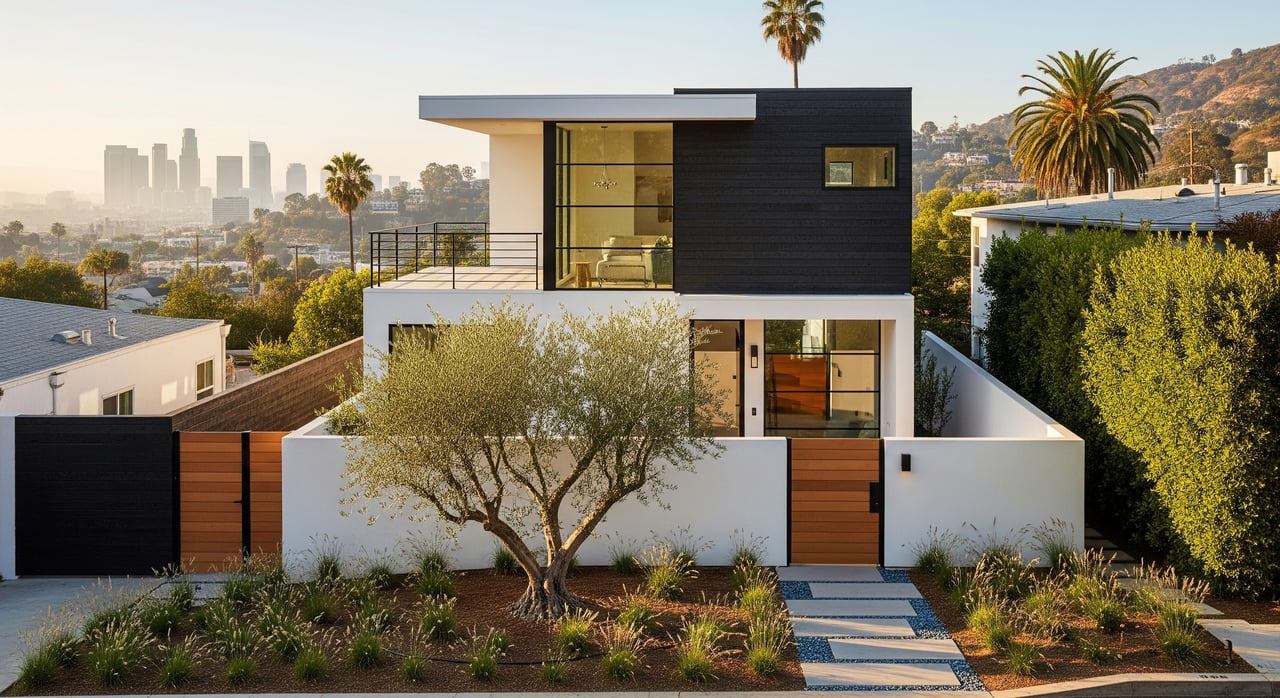
Glassell Park is a hillside neighborhood with a mix of early bungalows, modern infill, and multi-unit buildings. In recent years, builders added small-lot subdivisions that deliver single-family living on narrow lots with private entries and roof decks. Condos in the area often appear as low-rise or garden-style buildings with shared parking courts.
You will find steep streets, retaining walls, and shared driveways in certain pockets, which can affect access, maintenance, and insurance for both property types. Parking can also be tight on some blocks, and Residential Preferential Parking rules may apply in specific areas. Zoning varies across the neighborhood, which influences what can be built, subdivided, or expanded.
Ownership and HOA differences
HOA and dues
- Condos: You will almost always have monthly HOA dues. Dues typically cover exterior maintenance, common area insurance, reserves, and management. Amounts vary widely.
- Small-lot homes: You may have low dues or none at all. If a small HOA exists, dues usually fund shared elements like private driveways or landscaping. Always verify what the dues cover and the reserve plan.
Maintenance responsibilities
- Condos: You handle interior upkeep. The HOA handles exterior, roofs, and common elements per governing documents.
- Small-lot homes: You generally handle exterior and roof for your individual home, plus your landscaping. Shared elements, such as retaining walls or driveways, may be handled by an HOA or allocated among owners under recorded agreements.
Insurance basics
- Condos: You typically carry an HO-6 policy for the interior, personal property, and liability. The HOA carries a master policy for the building and common areas. Confirm whether the master policy is bare walls or walls-in, the deductible amount, and any pass-through provisions.
- Small-lot homes: You typically carry a homeowner policy, often HO-3, that covers the structure and land. Premiums may be higher than those for an HO-6 because you are insuring more of the property.
Financing and appraisal
Small-lot loans
Small-lot homes are usually financed like single-family residences. Lenders may review shared access or private street agreements, but in many cases underwriting is more straightforward than for condos. Appraisers will seek single-family comparables, which can be scarce in micro-markets. That can cause occasional valuation swings if there are not many recent sales.
Condo underwriting
Condo loans consider the project’s financial health. Lenders review HOA budgets, reserves, owner-occupancy ratios, and any litigation. FHA or VA financing may require project approval. Buildings with weak reserves or high delinquency can face restrictions or require higher down payments.
Taxes and assessments
Both formats are real property taxed by Los Angeles County. Your assessed value sets your base tax, subject to statewide rules on assessment changes. Either format may carry special assessments. Condos tend to face building-level special assessments more often, while small-lot developments with fewer shared components may see fewer large joint costs. Always verify for the specific property.
Living experience and layout
Privacy and separation
Small-lot homes often feel more like single-family living. You have your own entrance and, in many cases, no shared interior corridors. Some are attached side-by-side on the lot line, which can affect sound and light. Condos often have shared hallways, stairwells, and common areas, which can be convenient but less private.
Outdoor space
Small-lot homes commonly offer small yards, patios, or roof decks. Condos may offer balconies and shared grounds. Decide how you want to use outdoor space. If you want to garden, manage a small yard, or host on a roof deck, a small-lot home may fit better. If you prefer low-maintenance living with shared landscaping, a condo can be a great match.
Parking and access
Parking is a key factor in Glassell Park. Some small-lot homes have private garages within the parcel. Others rely on shared driveways or car courts. Condos typically offer assigned spaces in a garage or parking court, with guest rules set by the HOA. Confirm on-site parking, guest policies, and any local street parking rules before you commit.
ADU potential and flexibility
Small-lot ADU feasibility
Because small-lot homes are fee-simple, accessory dwelling units can be possible if zoning, setbacks, and access allow. Hillside lots and narrow parcels can add complexity. You still need to follow city rules for ADUs and obtain the proper permits.
Condos and structural changes
Adding an ADU to a condo is generally impractical. You own the interior airspace, and any structural changes require HOA approval. For most condos, expansion beyond your unit limits is not feasible. If future flexibility is important to you, a fee-simple lot often provides more options.
Resale and long-term value
Buyer demand
- Condos: Often attract first-time buyers and downsizers who value lower maintenance and a lower initial price point. Building amenities and convenience help demand.
- Small-lot homes: Attract buyers who want a single-family feel, private entry, and personal outdoor space at a price below larger-lot homes.
Price patterns and comps
In many LA neighborhoods, small-lot homes can command a premium over condos because you own land and the structure. The actual gap depends on size, design, parking, and location. Appraisals hinge on good comparables. In smaller sub-areas of Glassell Park, limited small-lot or condo sales can make valuations less predictable.
Liquidity and risks
Condos may sell quickly in markets with strong demand for lower entry prices. Project-level issues, such as high investor concentration or weak reserves, can slow sales. Small-lot homes broaden appeal to single-family buyers, though very vertical layouts or tight driveways can narrow the pool. In hillside pockets, retaining wall or access concerns may affect both formats.
Quick decision guide
Choose a small-lot home if you want:
- Fee-simple land ownership and more control over exterior choices.
- A private entrance, small yard or roof deck, and single-family feel.
- Potential to explore an ADU if rules and site allow.
- Lower or no HOA dues, knowing you will handle your own exterior maintenance and insurance.
Choose a condo if you want:
- A lower entry price compared to fee-simple alternatives in the same area.
- Centralized exterior maintenance through an HOA.
- Predictable shared amenities and professional management.
- A simpler maintenance routine, focusing on your interior only.
Due diligence checklist
- Ownership and docs: Confirm fee-simple lot vs condominium interest. Review recorded CC&Rs, easements, and any private street agreements.
- HOA health: For condos and small HOAs, request budgets, reserves, recent minutes, and delinquency rates. Ask about pending or potential special assessments.
- Maintenance scope: Clarify who handles roofs, exterior walls, retaining walls, shared driveways, and landscaping.
- Insurance review: For condos, get the HOA master policy summary and deductible details. For small-lot homes, obtain HO-3 quotes and confirm coverage for unique hillside exposures.
- Financing: Ask your lender about loan programs for the property type. Confirm any FHA or VA project approval needs for condos.
- Parking: Verify assigned spaces, garage ownership, guest policies, and any street permit requirements.
- ADU potential: For fee-simple lots, ask about zoning, setbacks, and access. For condos, assume ADUs are unlikely.
- Resale outlook: Compare recent Glassell Park sales for both formats. Look at days on market and price-to-list ratios.
Real-world scenarios
- You want privacy, a small yard, and the option to add a studio down the line. A small-lot home could be the better fit. You will likely pay more up front and take on exterior upkeep, but you gain flexibility and control.
- You want a lower entry price and minimal maintenance. A condo could be ideal. Your HOA dues fund exterior work, and you focus on your interior. Confirm the HOA’s reserves to avoid unwelcome special assessments.
Next steps in Glassell Park
Start by defining your must-haves. Then tour both formats within the same micro-neighborhood to compare light, access, and parking in real time. Review all recorded documents and HOA summaries before you write an offer. Talk to a local lender early so you understand how underwriting differs between small-lot homes and condos.
If you would like a side-by-side tour and a tailored cost comparison that includes dues, insurance, and likely maintenance, reach out. Our local team can help you weigh tradeoffs, identify risks in hillside pockets, and plan for resale.
Ready to compare options in Glassell Park with a clear plan? Connect with Mary Dix for a concierge consultation and a data-backed path to your best fit.
FAQs
Is a small-lot home the same as a condo in Los Angeles?
- No. A small-lot home is typically fee-simple ownership of the land and structure, while a condo is ownership of an interior unit plus a shared interest in common areas managed by an HOA.
Which is usually cheaper each month in Glassell Park?
- Condos often have lower purchase prices but higher monthly HOA dues, while small-lot homes may cost more up front yet have lower ongoing fees, with you covering exterior maintenance.
Which is easier to finance, small-lot or condo?
- Small-lot homes are often financed like single-family houses and can be more straightforward, while condos require project-level reviews and may face stricter underwriting.
Can I rent out a small-lot home or a condo?
- Both can often be rented, but rules vary. Condo HOAs commonly cap rentals, and some small-lot developments have CC&R limits, so always check recorded documents.
Can I build an ADU on a small-lot property in Glassell Park?
- Often yes, if zoning, setbacks, and site conditions permit. Condos face practical and legal barriers to adding ADUs, and structural changes require HOA approval.