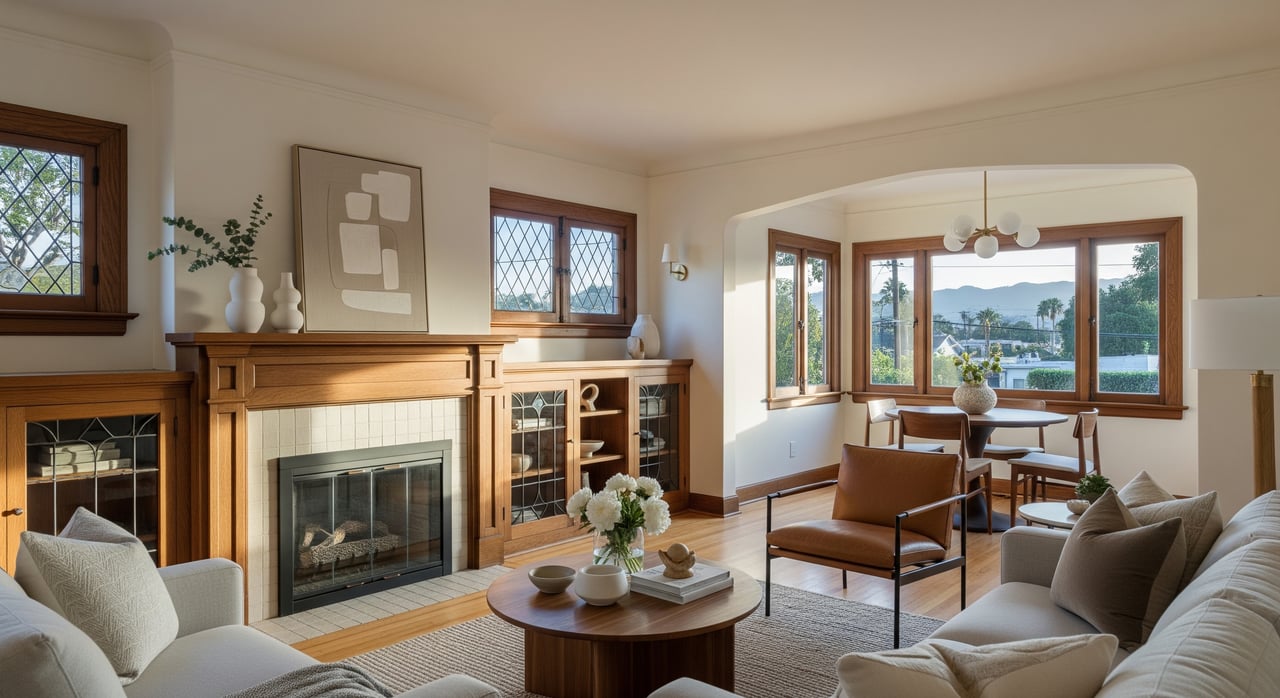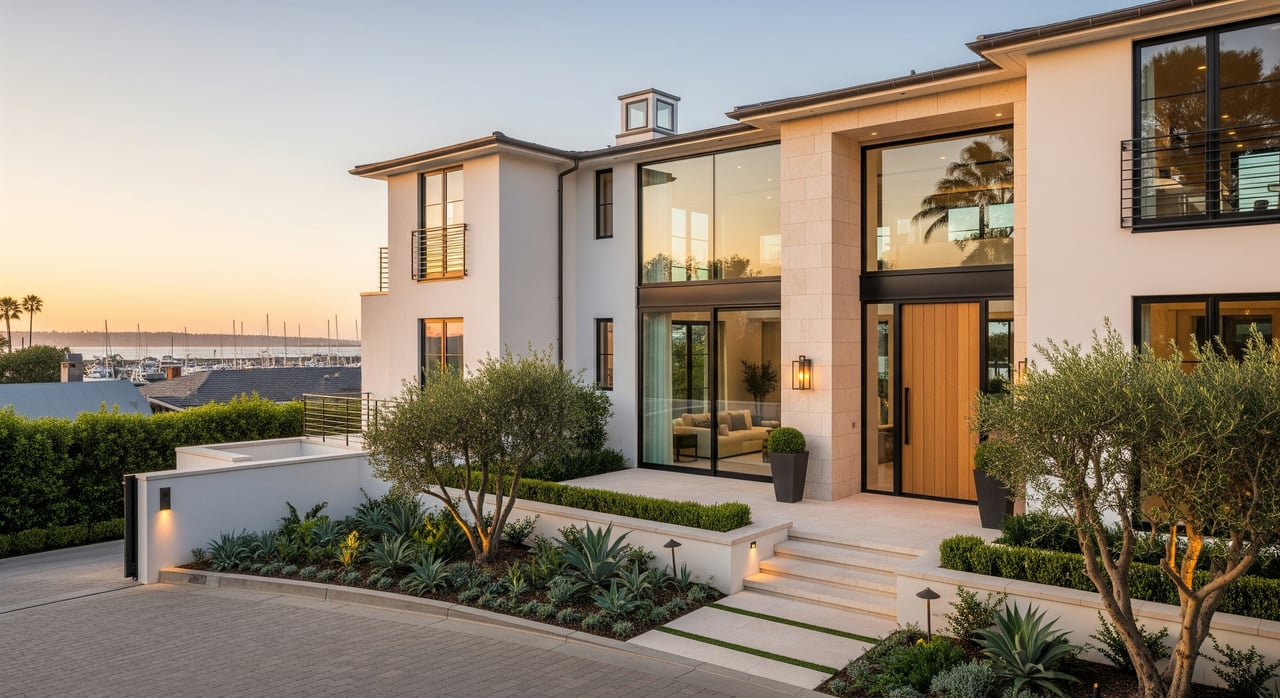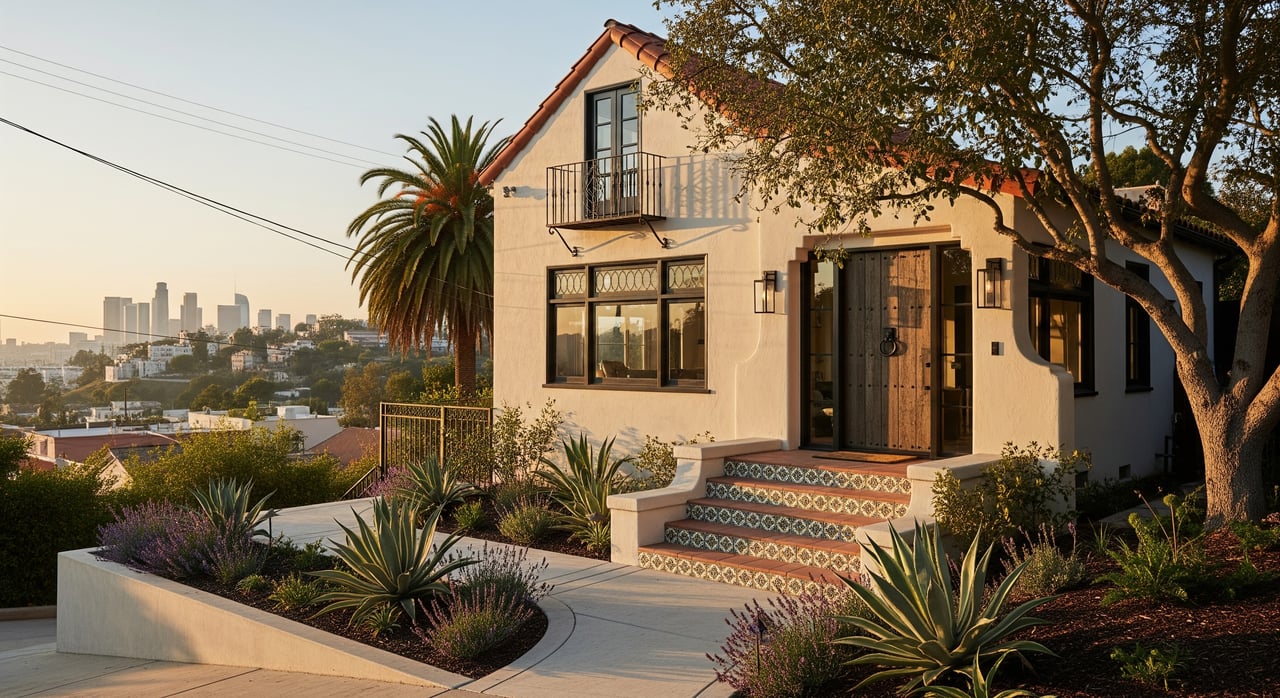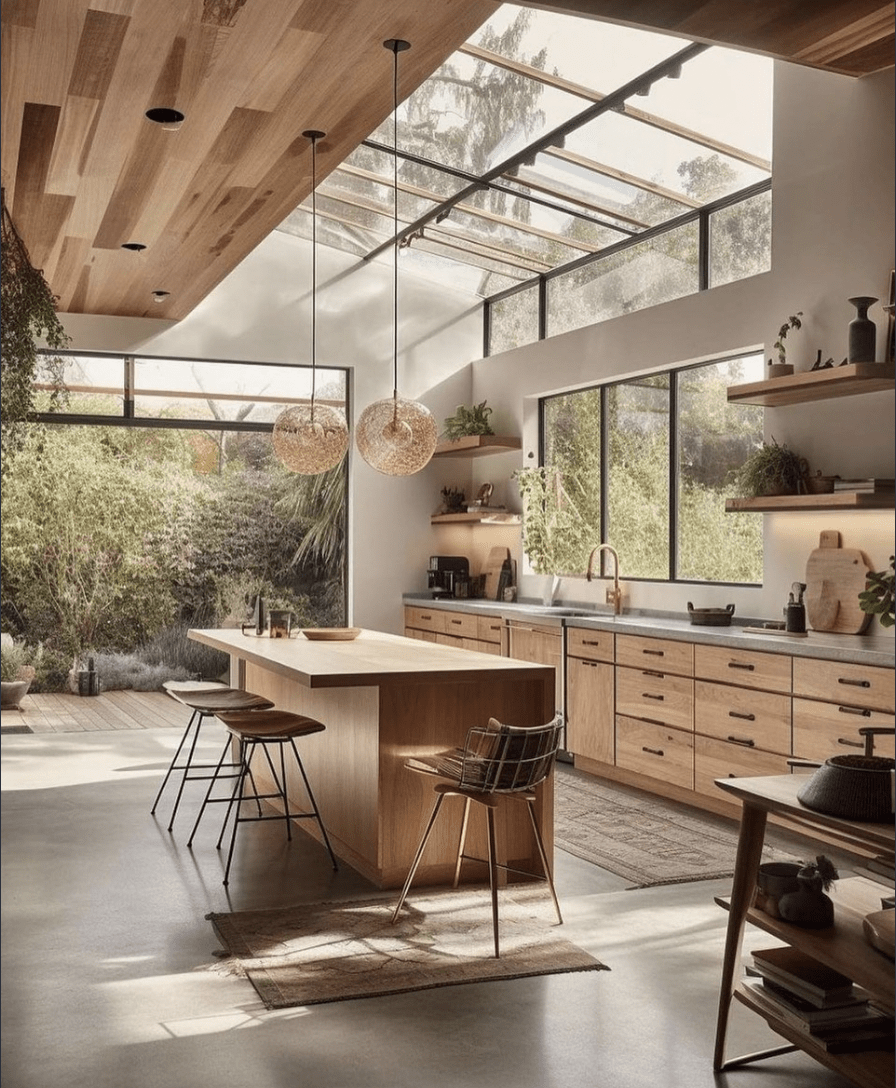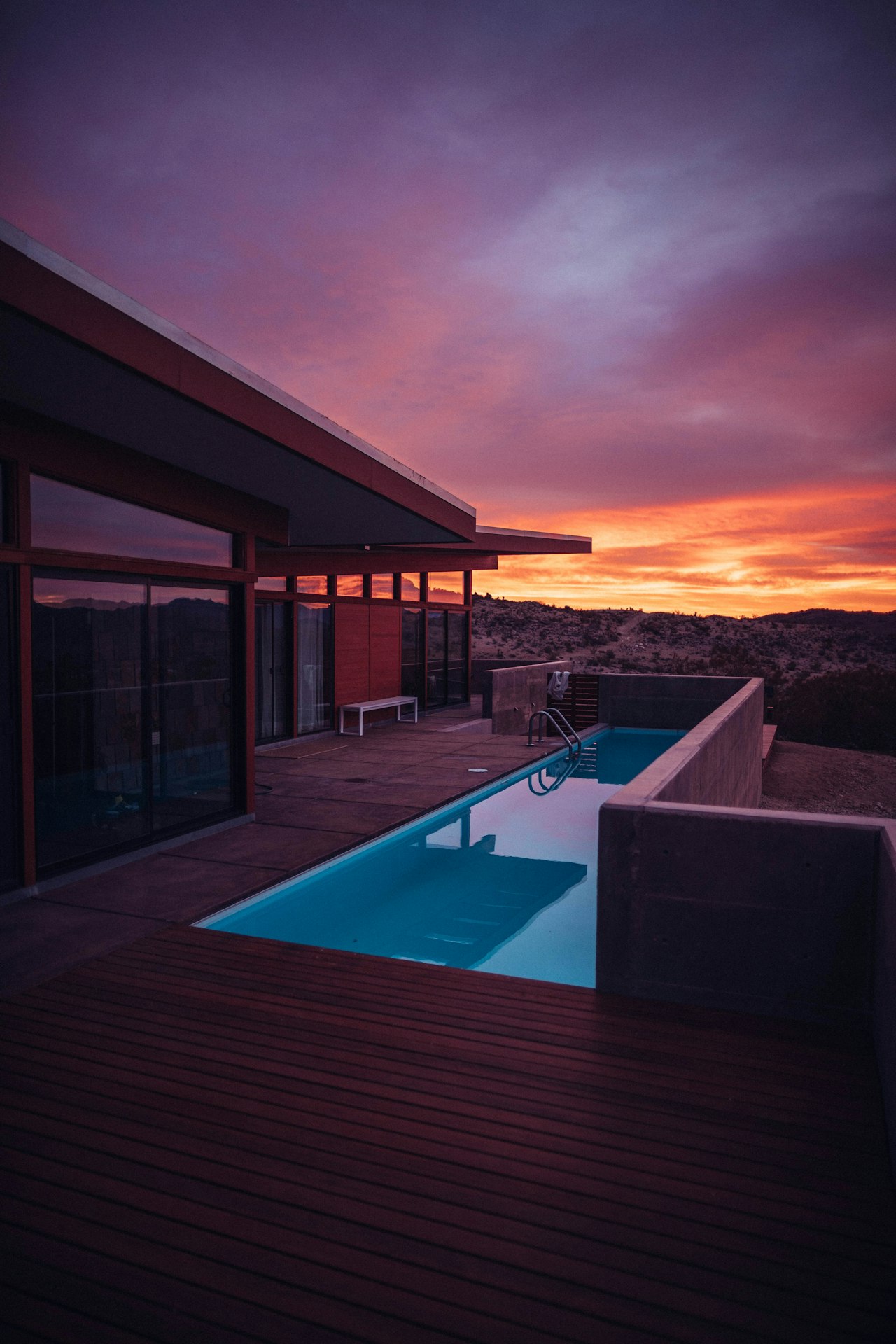
If you have only experienced flat parts of Los Angeles, Mt. Washington can feel like a completely different way of living. The hills are beautiful, but they also shape how you park, how you carry groceries, how much sun your yard gets, and what future home projects may involve. If you are thinking about buying or selling here, it helps to understand the day-to-day reality behind the views. Let’s dive in.
Mt. Washington Is Defined by Terrain
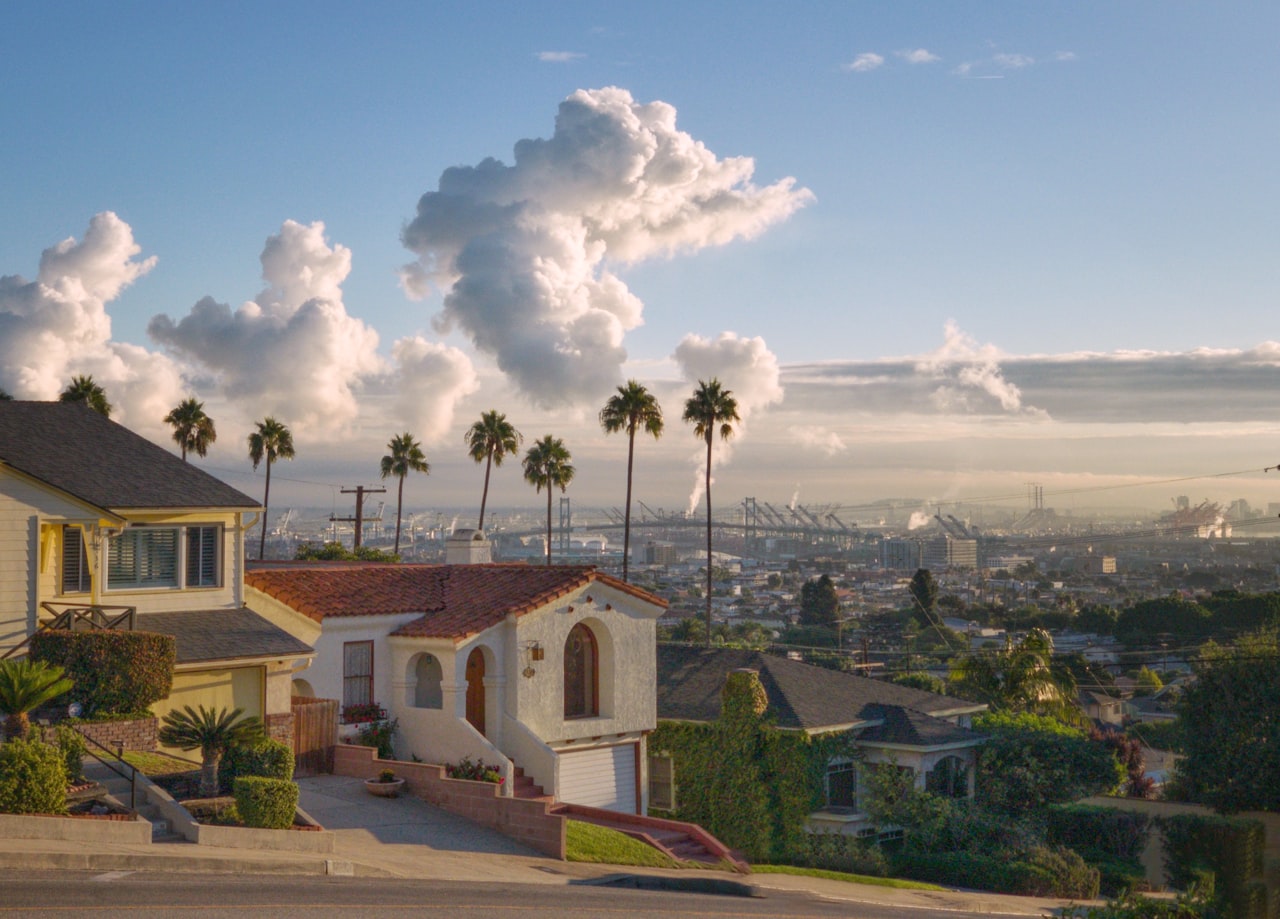
Mt. Washington is not a flat-grid neighborhood with predictable lots and straight streets. City planning documents describe it as a residential hillside area with steep canyons, narrow ridges, and single-family homes developed over time along narrow, winding roads.
That matters because the terrain is not just part of the scenery. It directly affects access, parking, circulation, and how each block feels. In a neighborhood like this, two homes that look close on a map can live very differently in practice.
The area is also not one-size-fits-all. City planning studies note that some pockets, like Mount Washington West, include more gently sloping topography, curving streets, and cul-de-sacs. So when people talk about “living in Mt. Washington,” they are often describing a broad range of experiences.
Daily Life Often Means More Driving
One of the biggest surprises for first-time hillside buyers is how terrain changes everyday routines. The Northeast Los Angeles Community Plan notes that Mt. Washington is not served by adjacent or readily accessible commercial or institutional uses, aside from an elementary school.
In plain terms, that usually means many errands are not a quick walk out the door. You may drive more for groceries, coffee, school runs, appointments, and other daily tasks than you would in a flatter, more mixed-use part of Los Angeles.
That does not make the neighborhood less appealing. It simply means the lifestyle tradeoff is real. If you love privacy, views, and a tucked-away residential feel, that extra driving may feel well worth it.
Streets, Parking, and Access Feel Different
In Mt. Washington, the street itself is often part of the home search conversation. The Mount Washington/Glassell Park Specific Plan states that many public hillside streets in the area are narrow or do not meet current city design or dedication standards, creating impacts on safety, vehicular access, circulation, and off-street parking.
That can show up in very practical ways. Some streets feel tight, turning movements may take more care, and guest parking can be less straightforward than buyers expect. On certain hillside street types in Los Angeles, parking may work on both sides, while on others it may be more limited.
For buyers, this is why a quick drive-by is not enough. It helps to visit at different times of day, notice where cars are parked, and pay attention to how the street feels when you actually pull in and out.
Homes Are Often Built Around the Slope
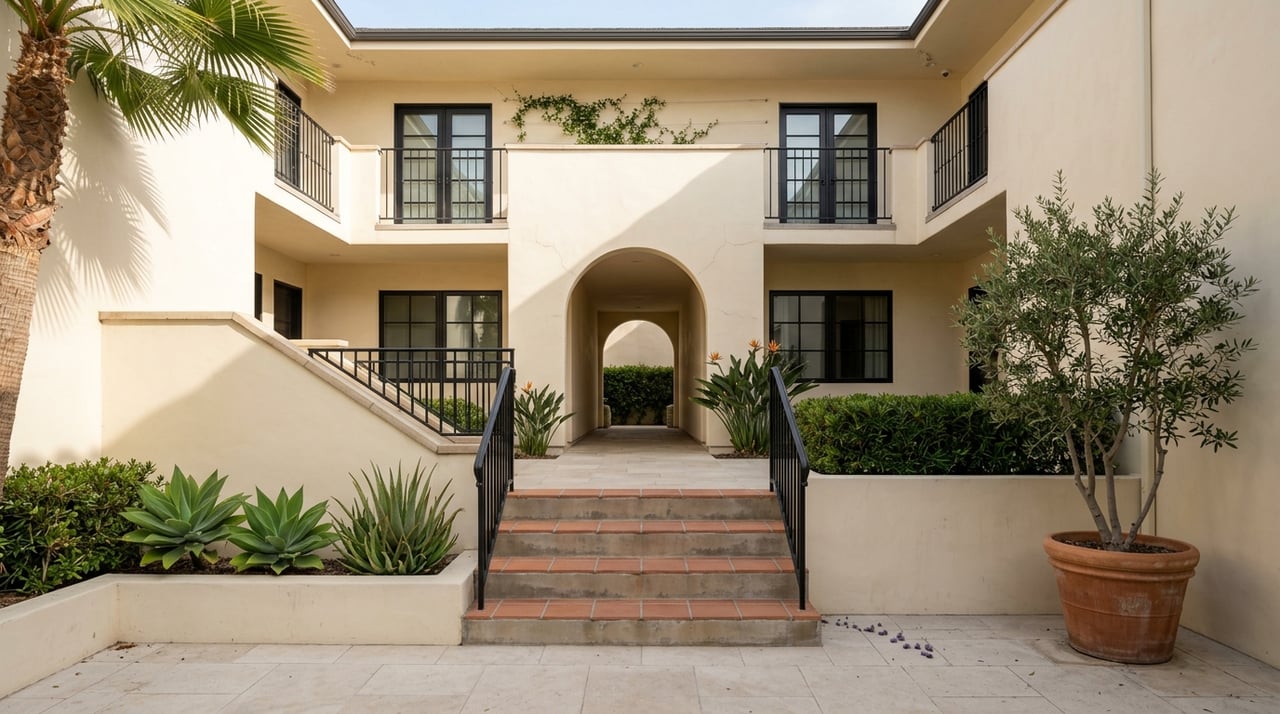
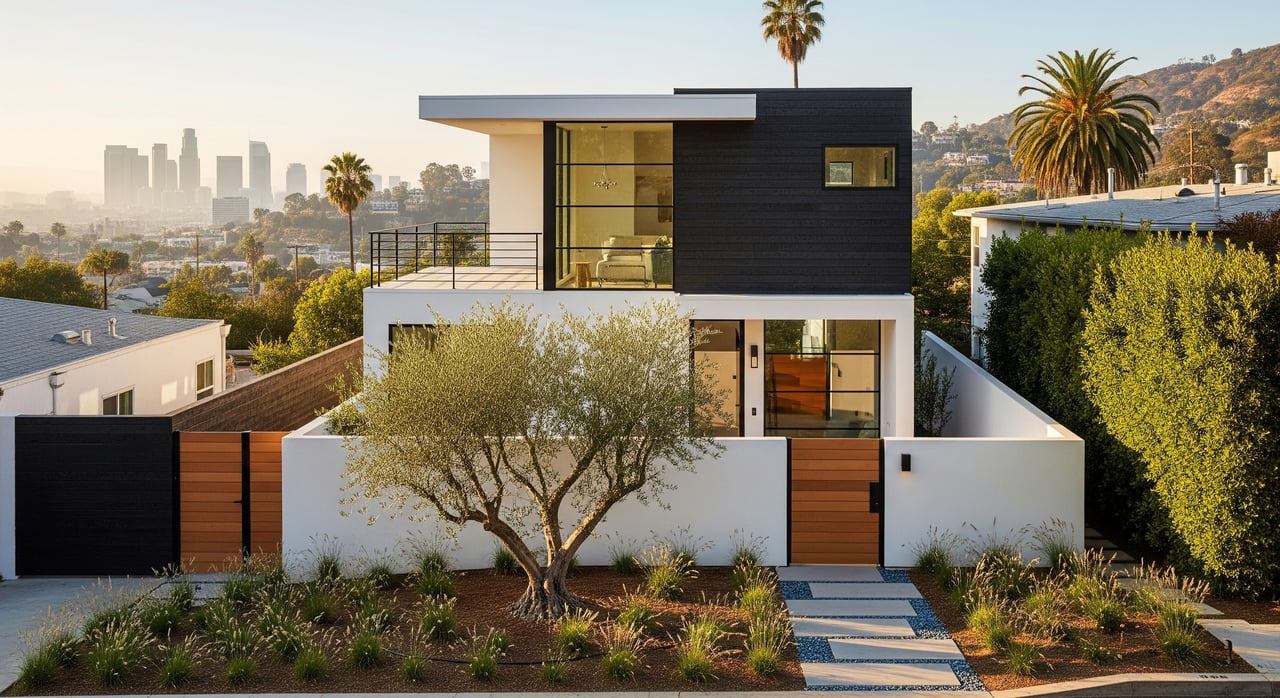
Many Mt. Washington homes are designed in direct response to the hill. Planning studies describe homes in Mount Washington West as commonly split into two or three levels with attached garages, reflecting the realities of graded and sloped sites.
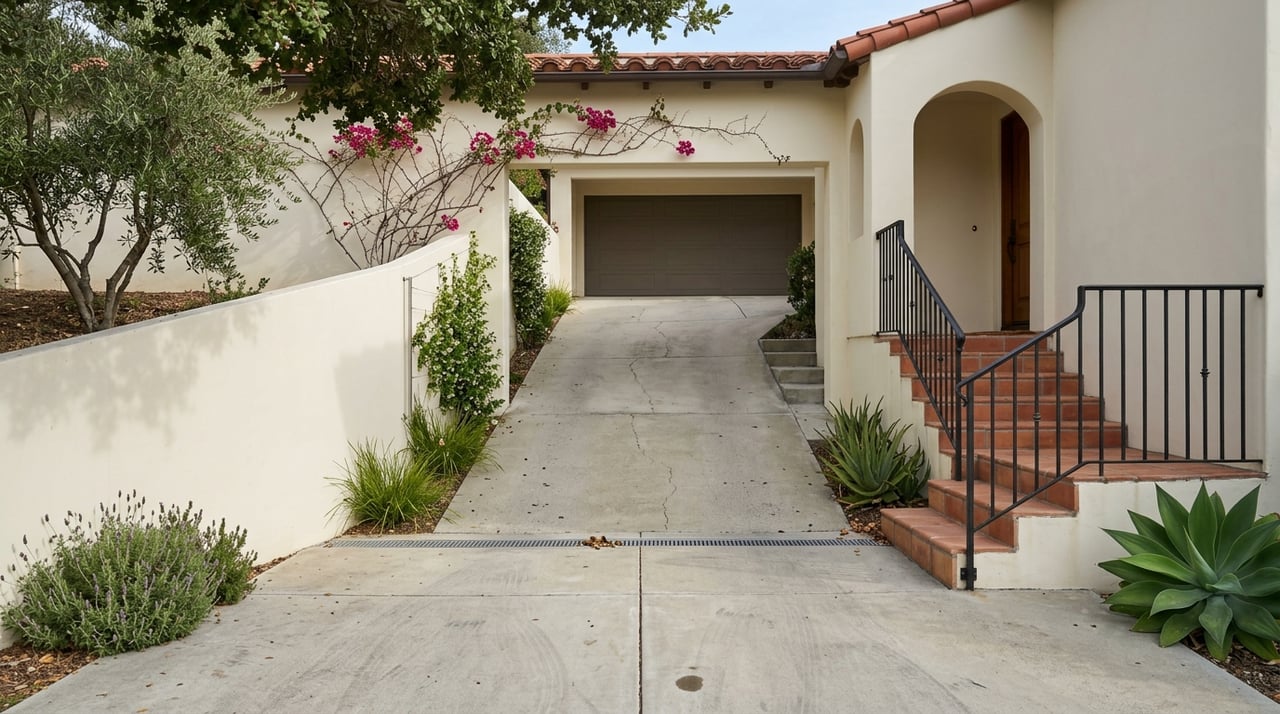
That often means a layout that feels more vertical than horizontal. Your garage may sit below your main living area, your bedroom level may be on another floor, and the path from the street to the front door may involve stairs.
This design can create great separation of space and strong view opportunities. At the same time, it is smart to think honestly about how you live day to day, especially if you want easier loading, fewer steps, or more direct access from car to kitchen.
Stairs Are Part of the Neighborhood
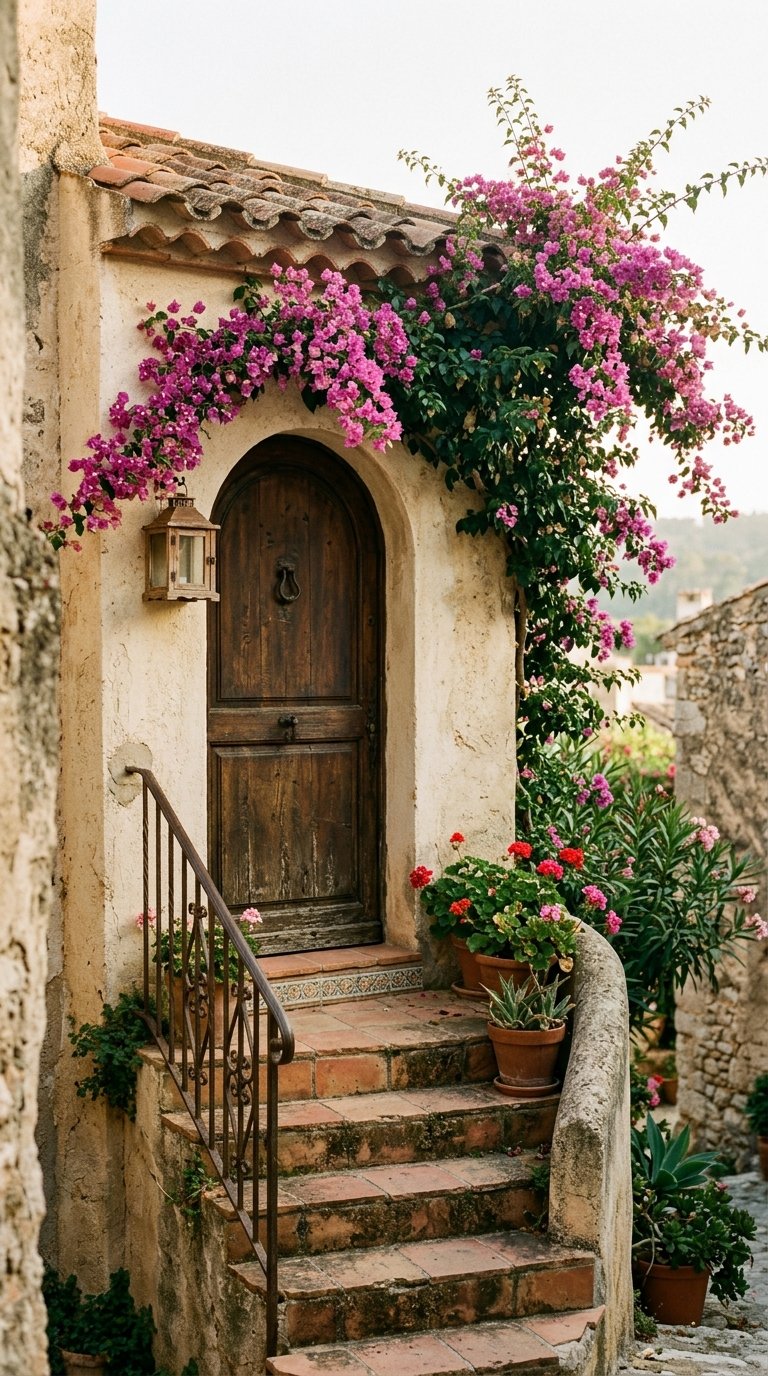
In hillside Los Angeles, stairs are not just an architectural flourish. SurveyLA identifies Mount Washington public stairways as unique features tied to hillside residential development.
That means steps can shape both private and public circulation. Some homes have long stair runs from the sidewalk or driveway, and some routes through the neighborhood involve actual stairways rather than a flat sidewalk experience.
For some buyers, that is part of the charm. For others, it is a functional issue to weigh carefully. If you are comparing homes, the number of steps and how those steps fit your routine can matter just as much as square footage.
Views Are Real, but Not Equal
A big reason buyers are drawn to Mt. Washington is the setting. The specific plan highlights panoramic vistas and notes that roads like Mount Washington Drive and San Rafael Avenue offer scenic views of the city, nearby mountains, and canyon vegetation.
The important thing to remember is that view potential varies by site. The same planning framework also recognizes that development can affect privacy, light, ventilation, and visual quality for neighboring homes.
So yes, views are part of the appeal, but they are not guaranteed in the same way from one lot to the next. A higher or more exposed lot may offer broader outlooks, while a lower or side-slope property may trade some view for more shade or privacy.
Privacy, Light, and Exposure Can Change Quickly
Hillside living often feels more site-specific than buyers expect. Terrain variables like elevation, slope, and aspect influence how a property experiences sun, shade, wind, and temperature.
Sources cited in the research show that slope direction matters. In mountainous terrain, south-facing slopes are generally warmer and drier during the day than north-facing slopes.
In practical terms, two homes a few streets apart can feel very different. One may get strong afternoon light and more heat, while another may stay cooler or shadier for more of the day. That is why in-person visits at different times can be so helpful when you are deciding whether a home fits your lifestyle.
Maintenance Looks Different on a Hillside
Owning a hillside property usually comes with a different maintenance checklist than owning on flatter land. The specific plan emphasizes grading safety, landscaping rules, and compatibility with hillside terrain.
For homeowners, that often means paying closer attention to drainage, erosion, retaining walls, irrigation, and slope-friendly landscaping. Those details may not be glamorous, but they are part of what keeps a hillside property functioning well over time.
This does not mean every home is high maintenance. It means the land itself deserves more attention. If you are buying, it is wise to understand not just the house, but also how the site handles water, planting, and grade changes.
Future Projects May Involve More Review
If you love the idea of renovating, expanding, or reworking outdoor space, Mt. Washington deserves a little extra homework. The specific plan adds a project-permit review layer for one-family and multi-family projects within the plan area.
That means future changes may involve more review than they would in a standard flat-land neighborhood. Site conditions can also affect what is practical, especially where grading, access, or retaining walls come into play.
For example, the specific plan notes that creating a driveway can be constrained when it would require a retaining wall taller than five feet. So before you assume a future improvement is simple, it is smart to look closely at the site and the local rules that apply.
Wildfire Readiness Is Part of the Equation
In California hillside areas, wildfire preparedness is part of responsible homeownership. CAL FIRE notes that fire hazard maps account for fuel, terrain, and weather, and that fire typically burns more quickly and intensely up steep slopes.
That is why parcel-level due diligence matters. Fire hazard designations can vary by location, and CAL FIRE’s map viewer is address-based rather than neighborhood-based.
The Board of Forestry also states that properties in the State Responsibility Area or a Very High Fire Hazard Severity Zone must comply with defensible-space requirements. CAL FIRE further states that a compliant defensible-space inspection document is needed when selling a property in a high or very high fire hazard severity zone.
For buyers and sellers alike, the takeaway is simple: check the exact property, not just the Mt. Washington name on the listing.
What Buyers Should Pay Attention To
If you are shopping for a home in Mt. Washington, look beyond finishes and view decks. The hillside experience is highly specific to the lot, street, and orientation.
A smart buyer will pay attention to:
- Street width and ease of access
- Parking setup for both household members and guests
- Number of stairs from street or garage to entry
- Light, shade, and heat exposure at different times of day
- Site drainage, retaining walls, and slope conditions
- Whether future projects may face added review
- Parcel-specific wildfire hazard designation, if applicable
These details do not take away from the neighborhood’s appeal. They simply help you understand what living there really feels like before you commit.
Why the Tradeoffs Appeal to So Many People
For the right buyer, Mt. Washington offers something hard to fake in flatter neighborhoods. The hills create a strong sense of place, more separation from the street, and the possibility of outlooks, privacy, and a distinctive home design shaped by the terrain.
That is often the heart of the neighborhood’s appeal. You are not choosing convenience in the most conventional sense. You are choosing character, setting, and a more site-specific living experience.
When you go in with clear expectations, that tradeoff can feel less like a compromise and more like the reason you wanted Mt. Washington in the first place.
If you are weighing a move in Mt. Washington, having someone who understands the block-by-block differences can make the process much clearer. To talk through hillside homes, pricing, preparation, or your next move in Northeast Los Angeles, schedule your concierge consultation with Mary Dix.
FAQs
What is daily life like in Mt. Washington for homebuyers?
- Daily life in Mt. Washington often includes more driving than in flatter Los Angeles neighborhoods because the area is not broadly served by nearby commercial and institutional uses.
What should buyers know about parking in Mt. Washington?
- Buyers should know that many hillside streets are narrow, access can feel tighter, and parking conditions can vary significantly from one street to another.
What do stairs and split-level layouts mean in Mt. Washington homes?
- In Mt. Washington, stairs and multi-level layouts are often a practical response to sloped lots, which can affect how you move between the street, garage, and living spaces.
How do views vary between Mt. Washington properties?
- Views in Mt. Washington are real but highly site-specific, with some lots offering broader outlooks and others offering more privacy, shade, or a different orientation.
What maintenance issues matter with a Mt. Washington hillside property?
- Hillside property maintenance in Mt. Washington often requires more attention to drainage, erosion, retaining walls, irrigation, and landscaping that works with the slope.
What should sellers know about wildfire and parcel-specific due diligence in Mt. Washington?
- Sellers should know that wildfire-related requirements can depend on the exact parcel, and some properties in high or very high fire hazard severity zones may require a compliant defensible-space inspection document at sale.