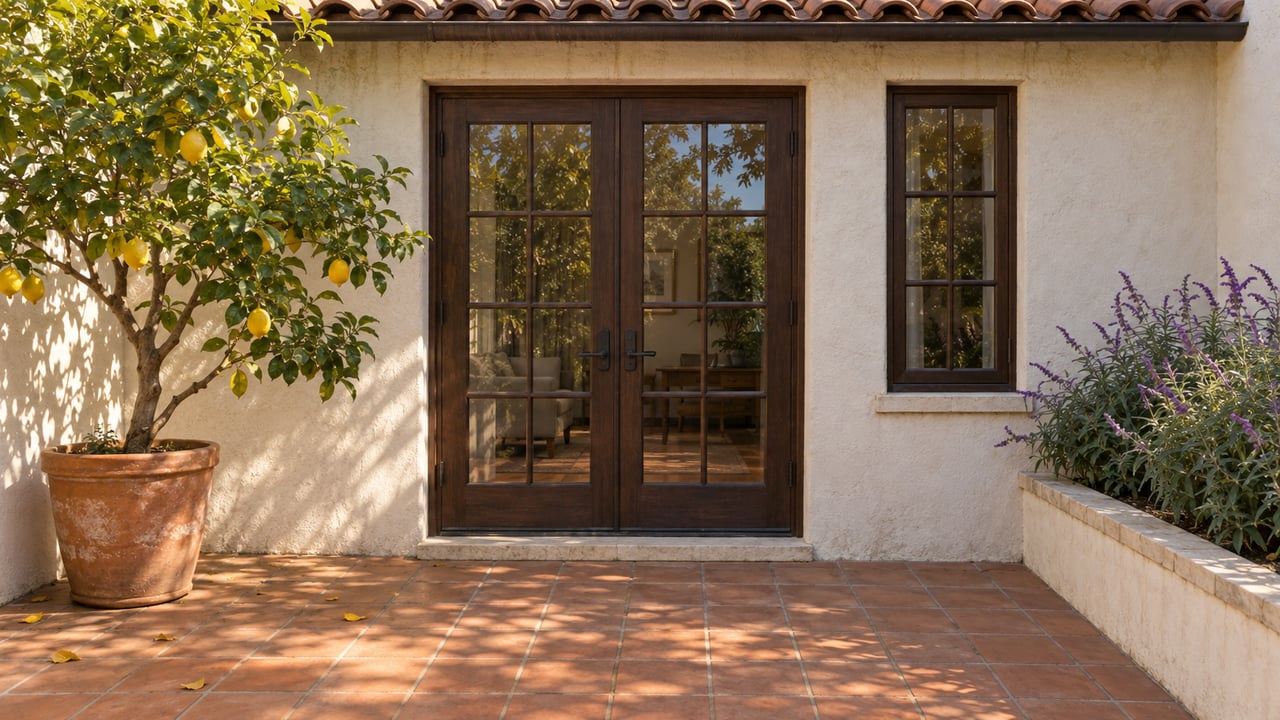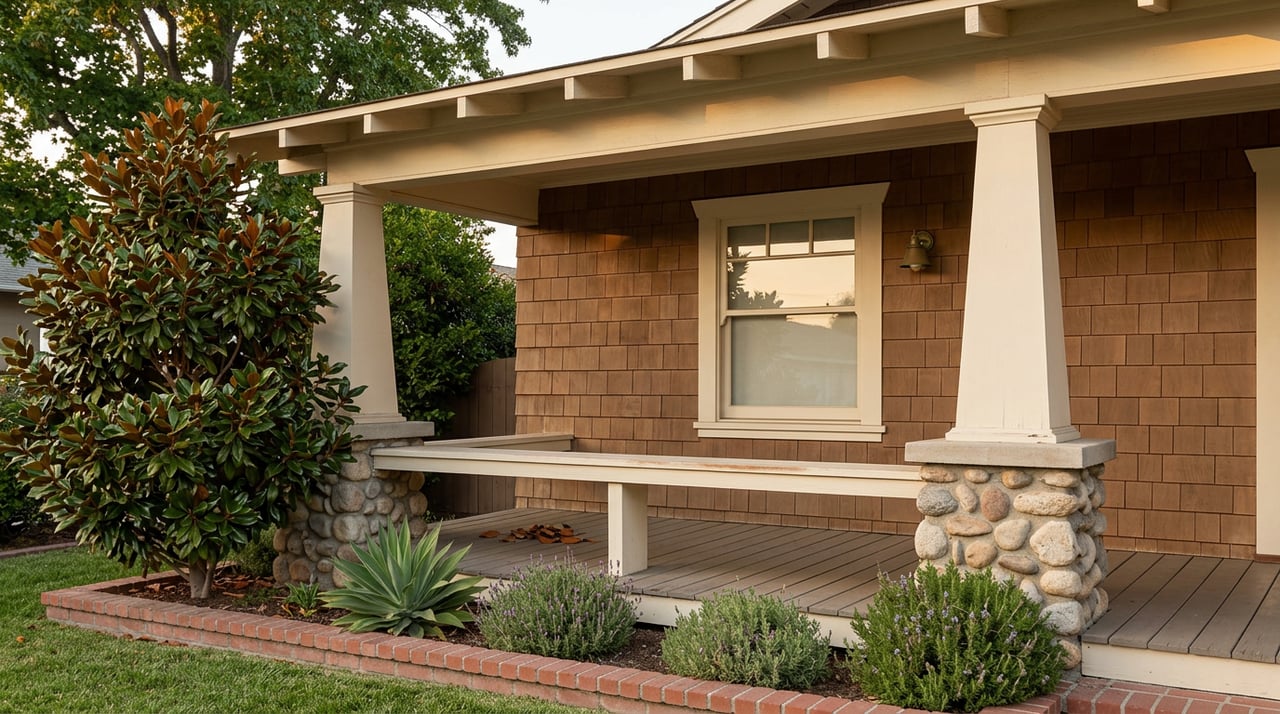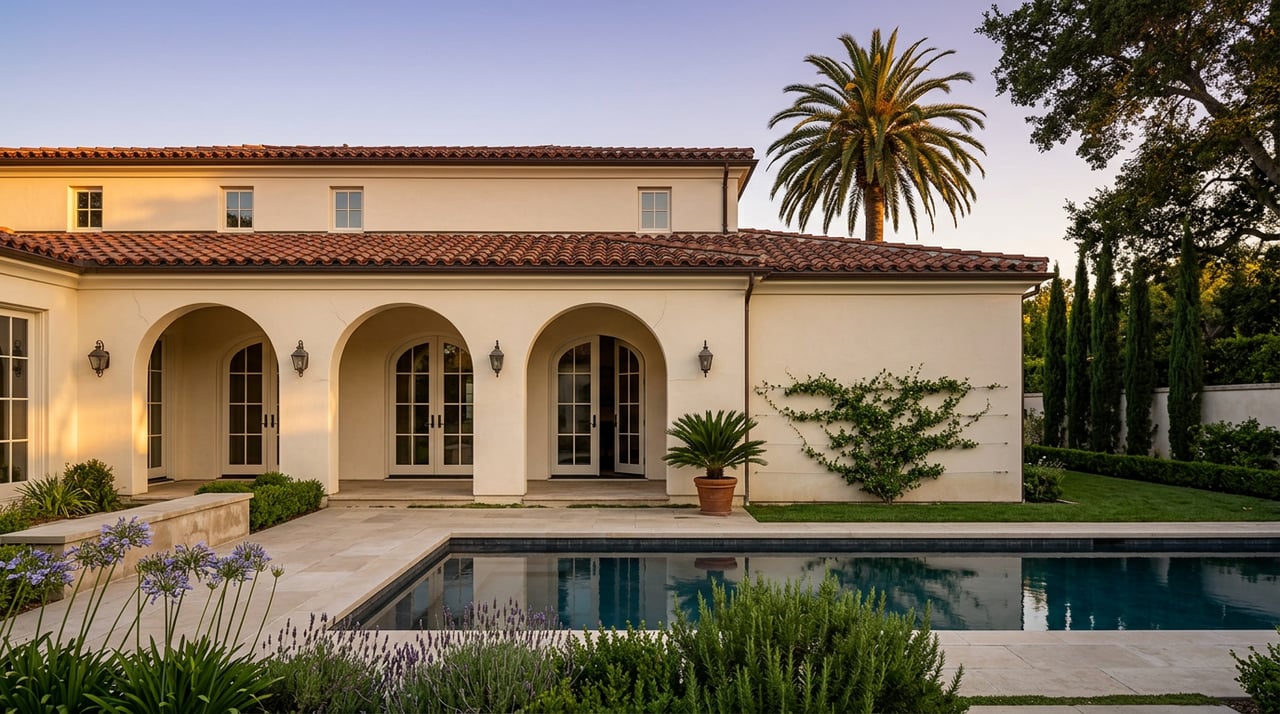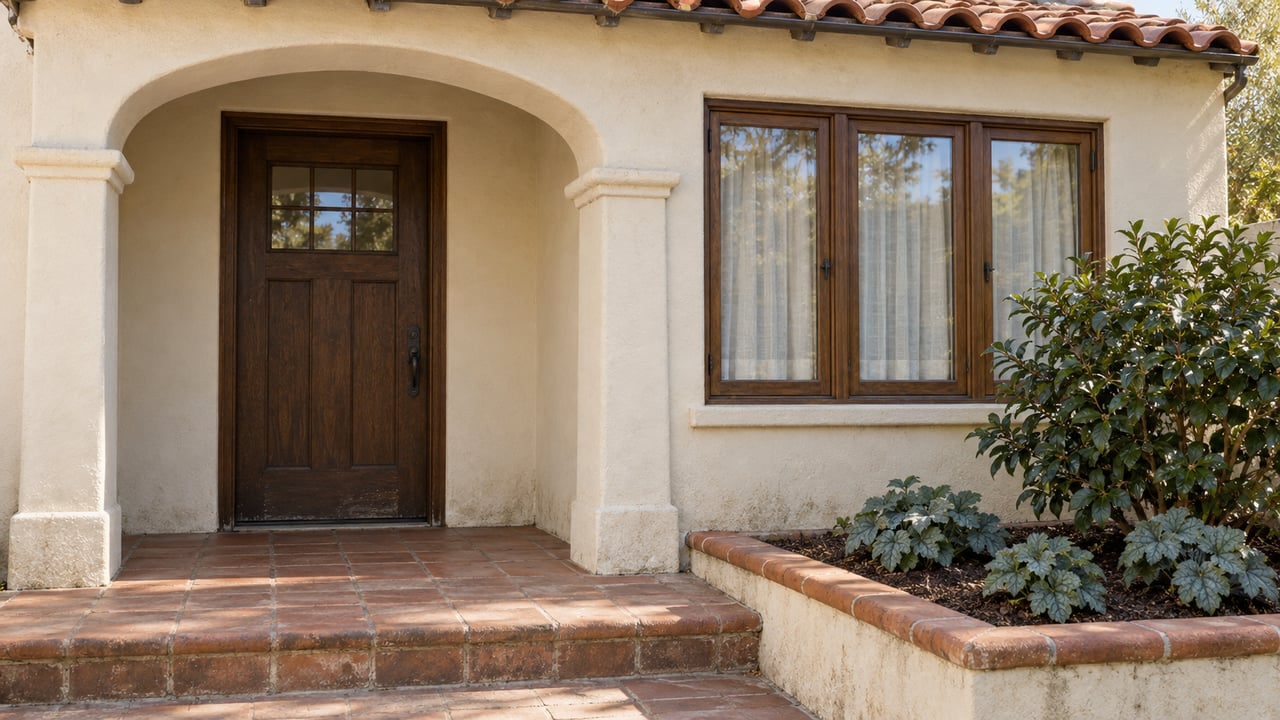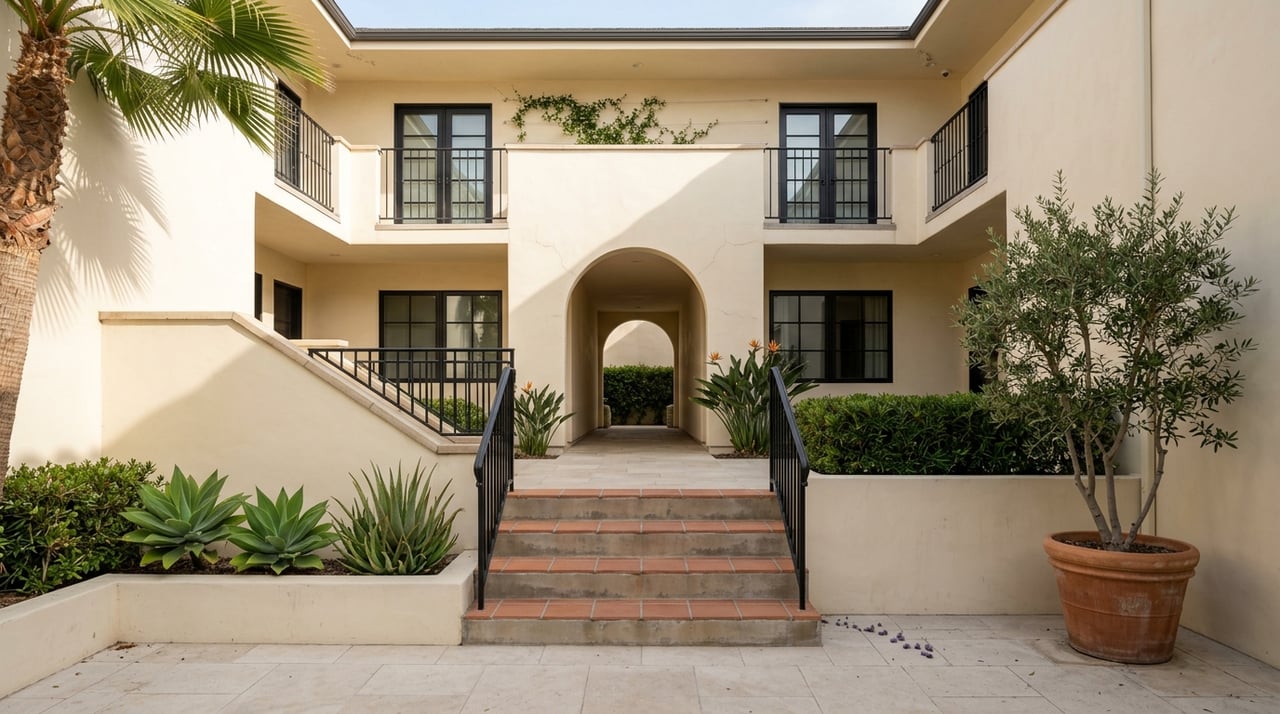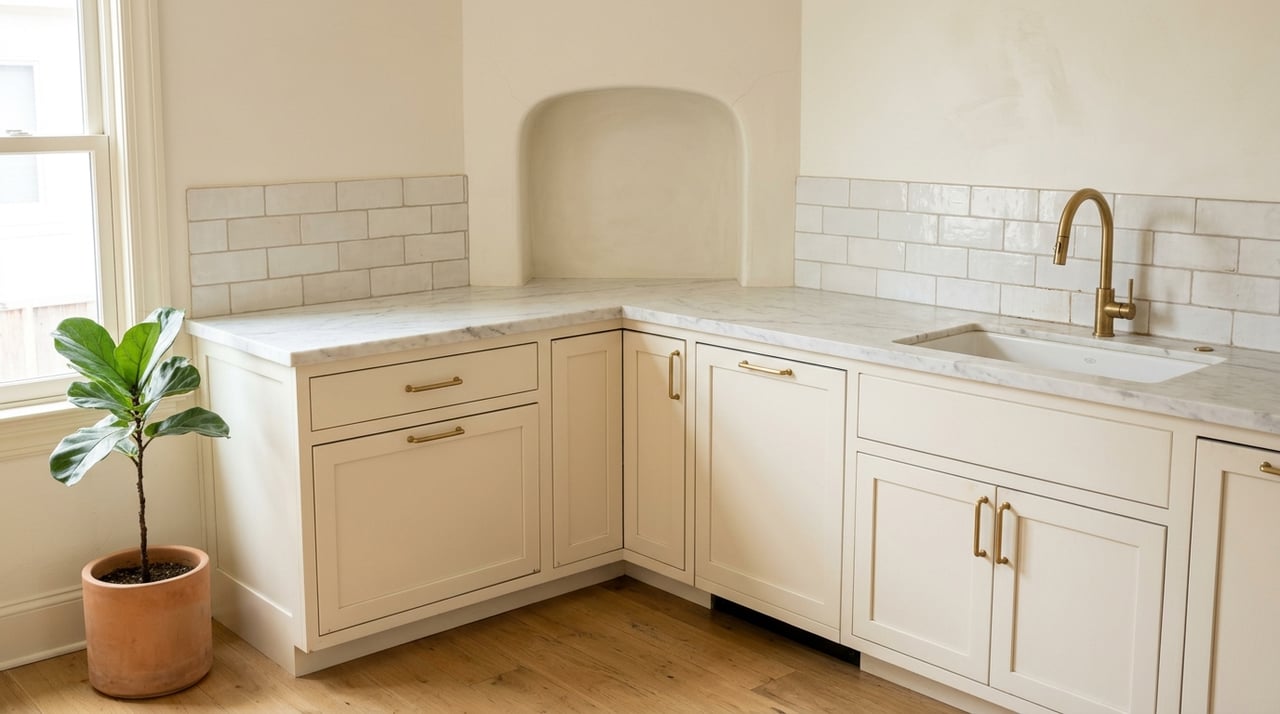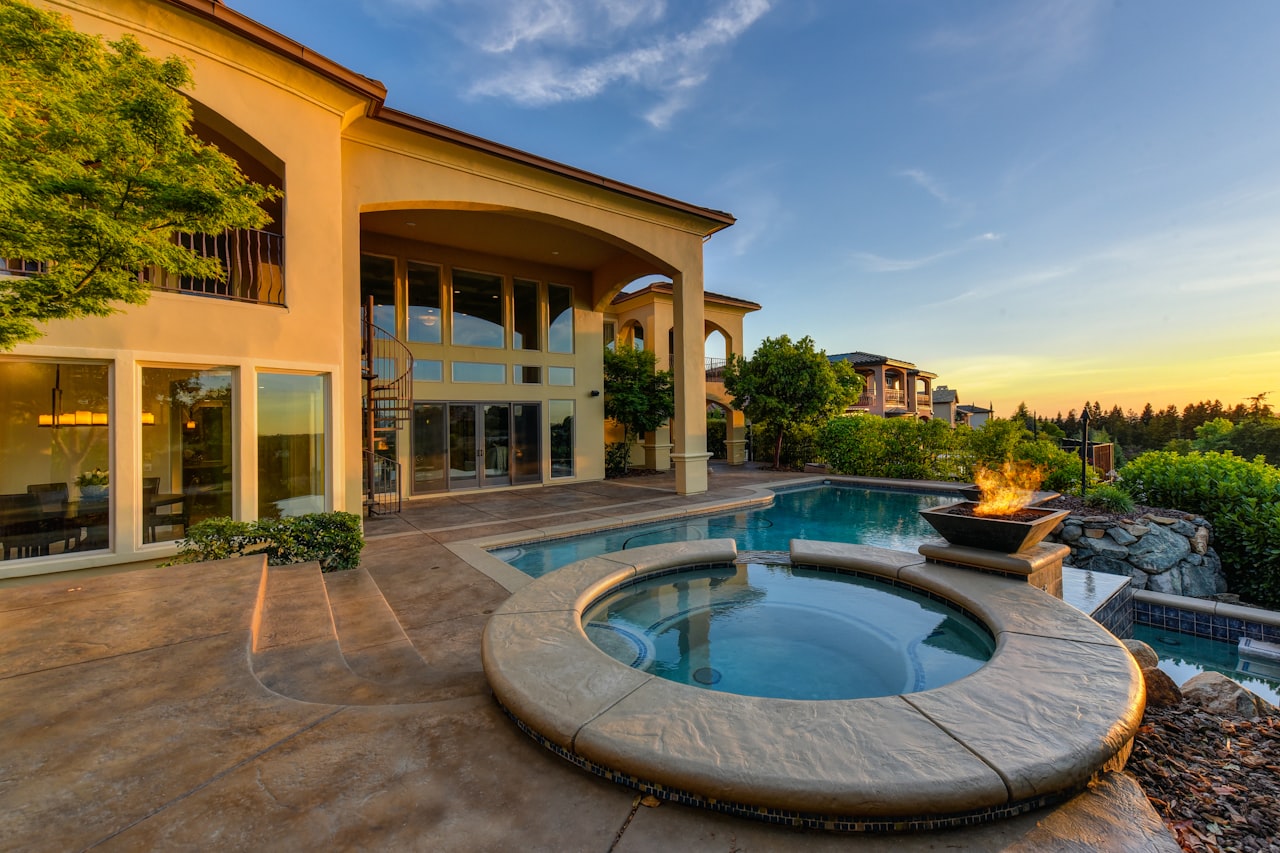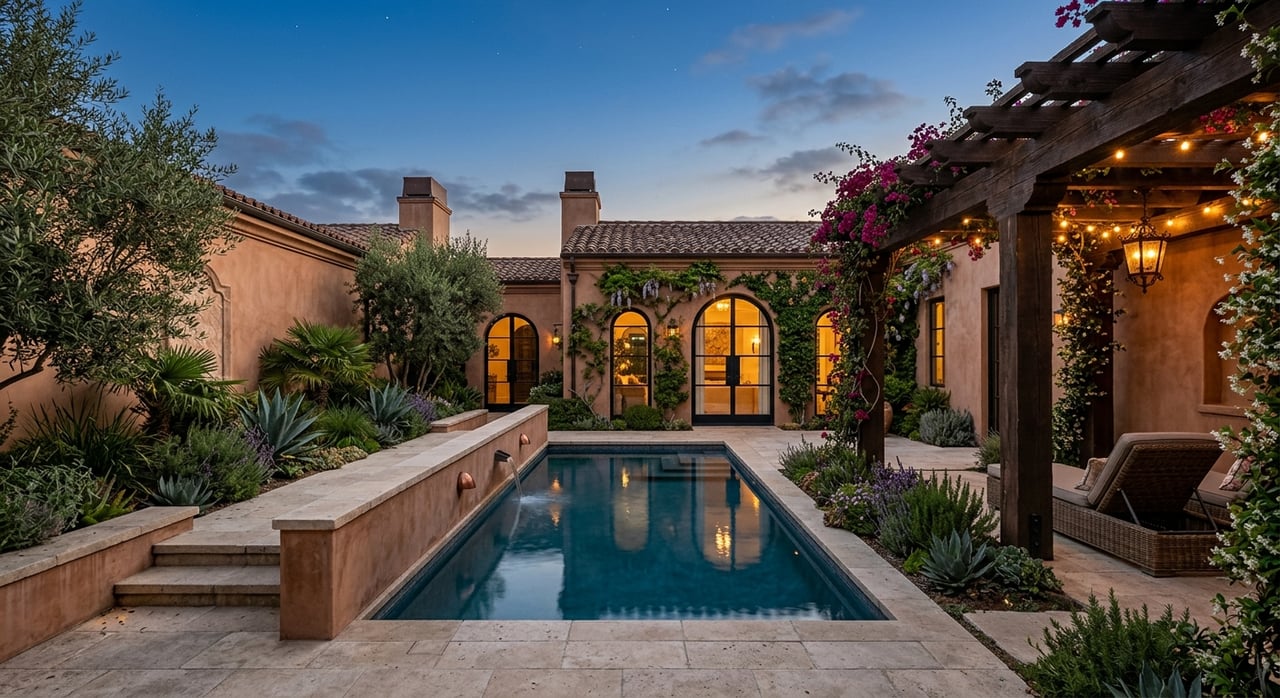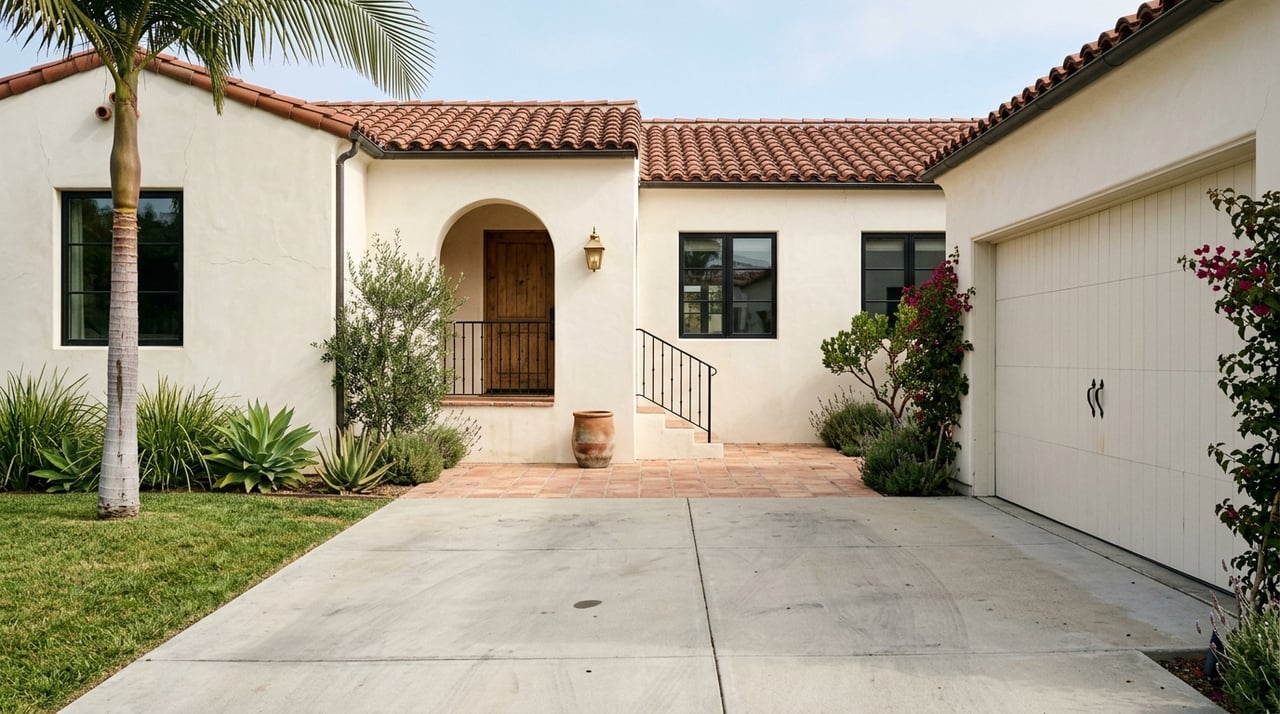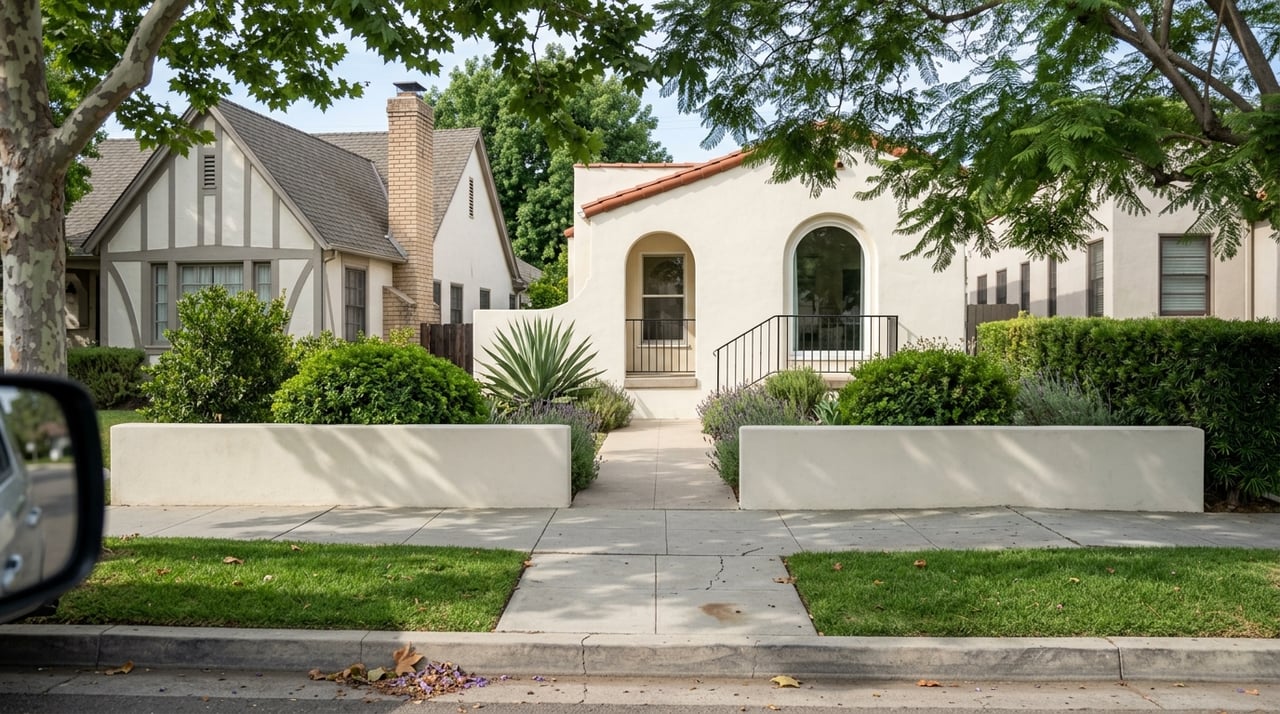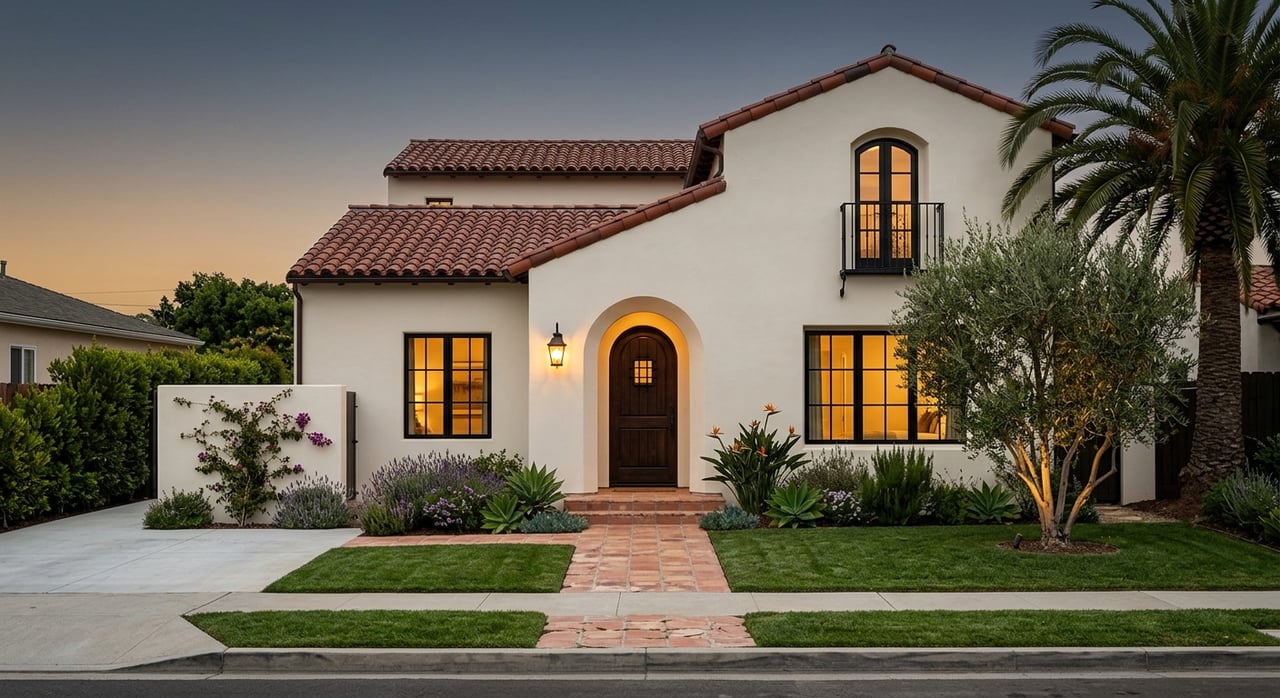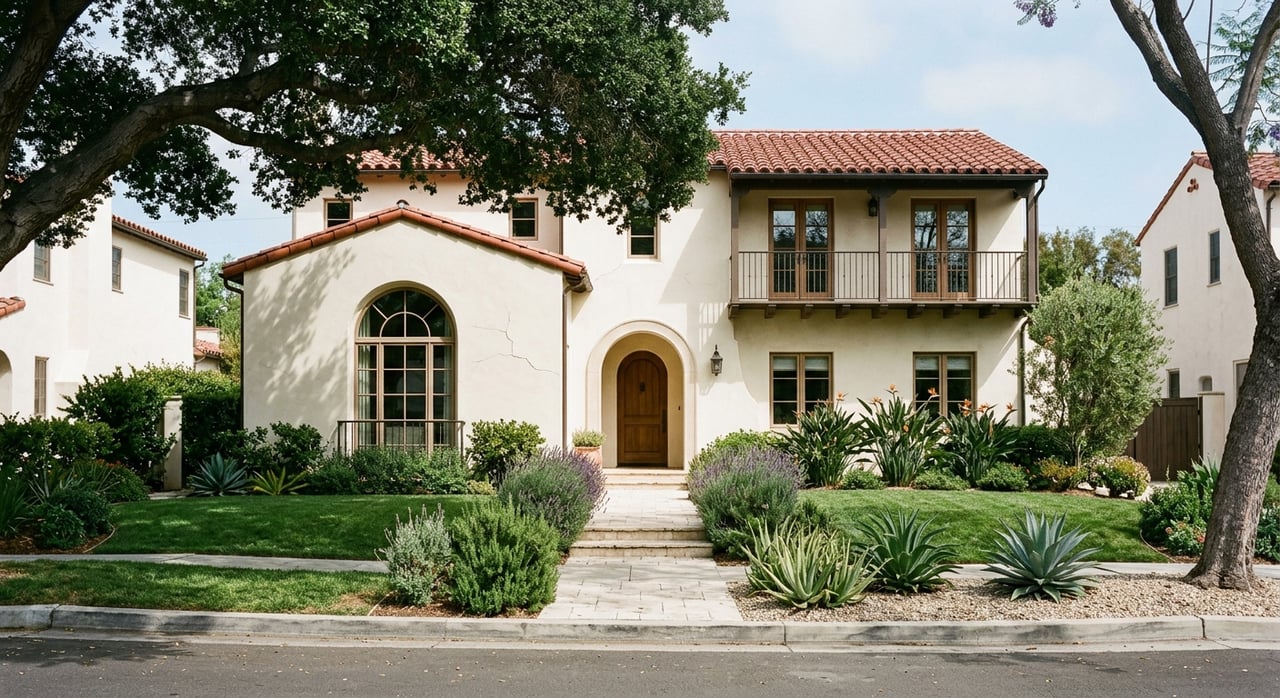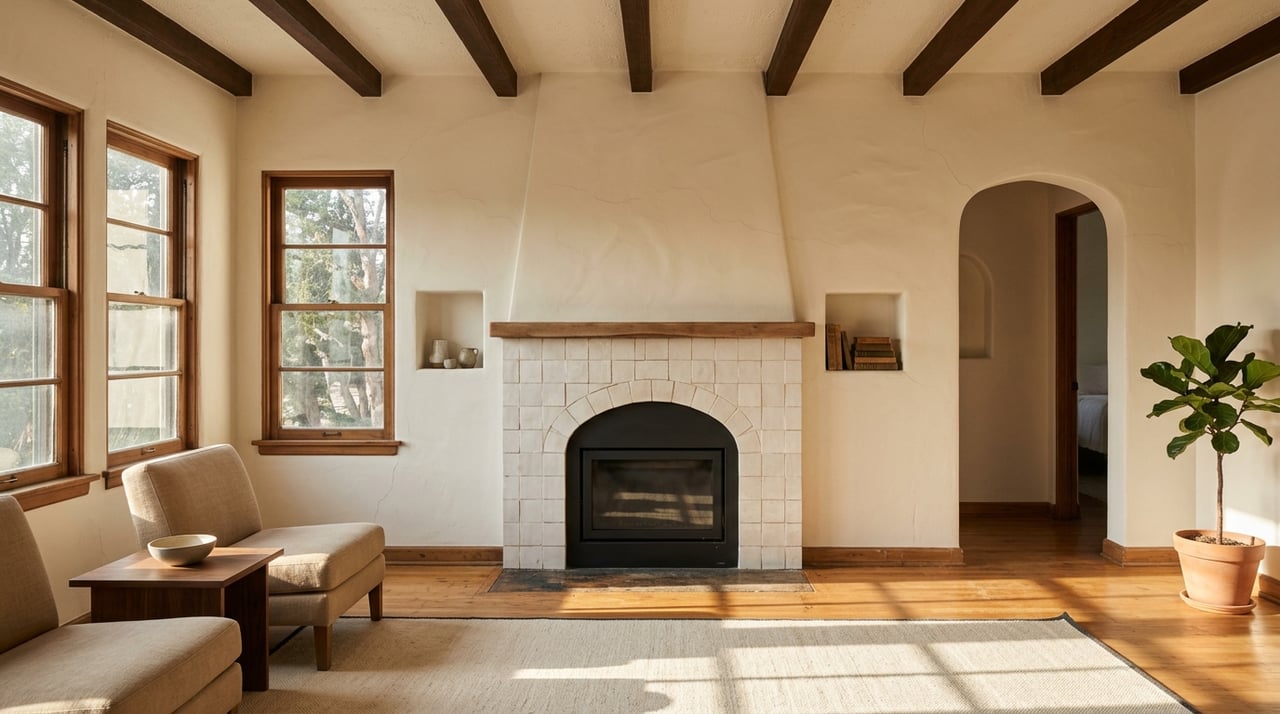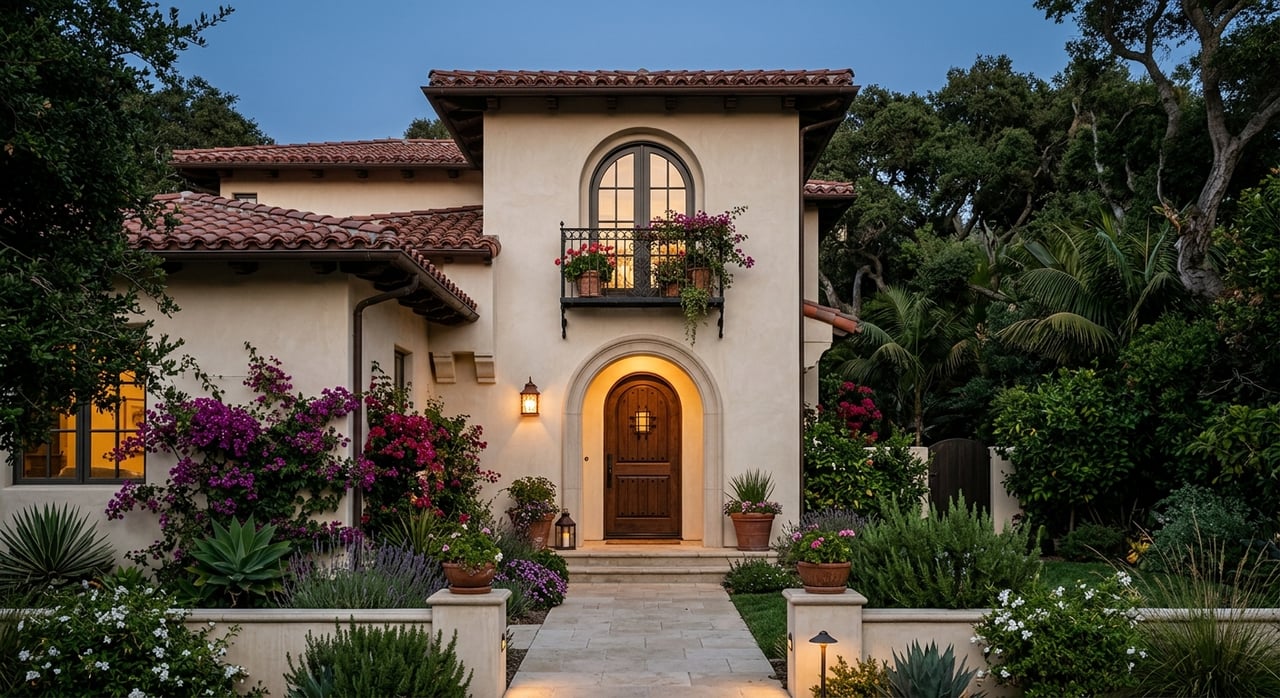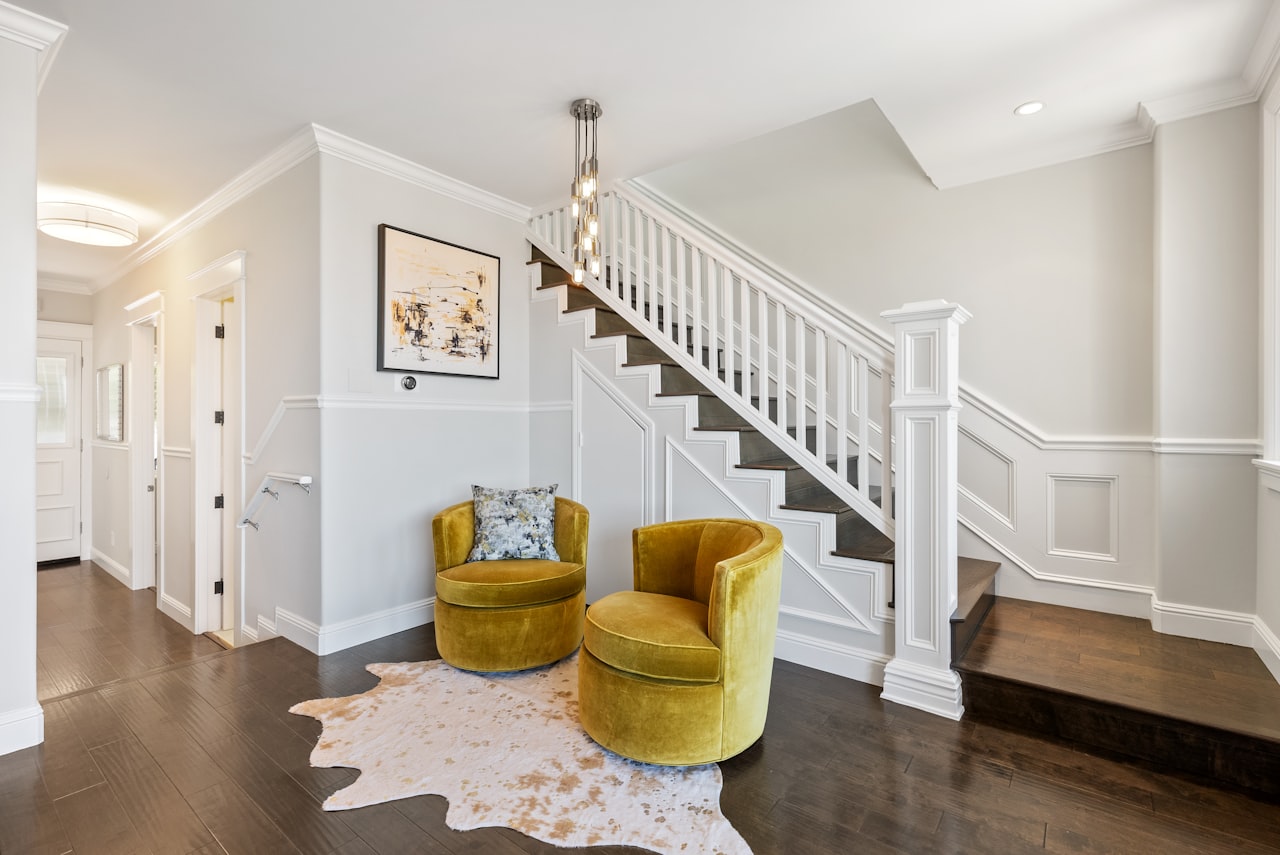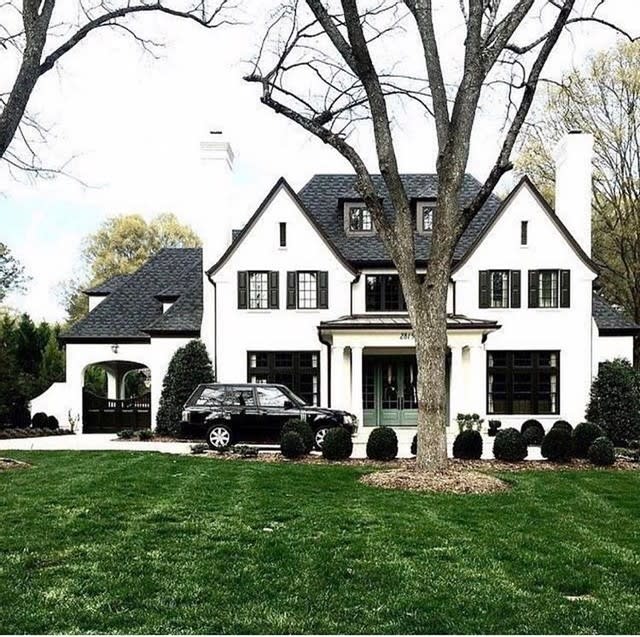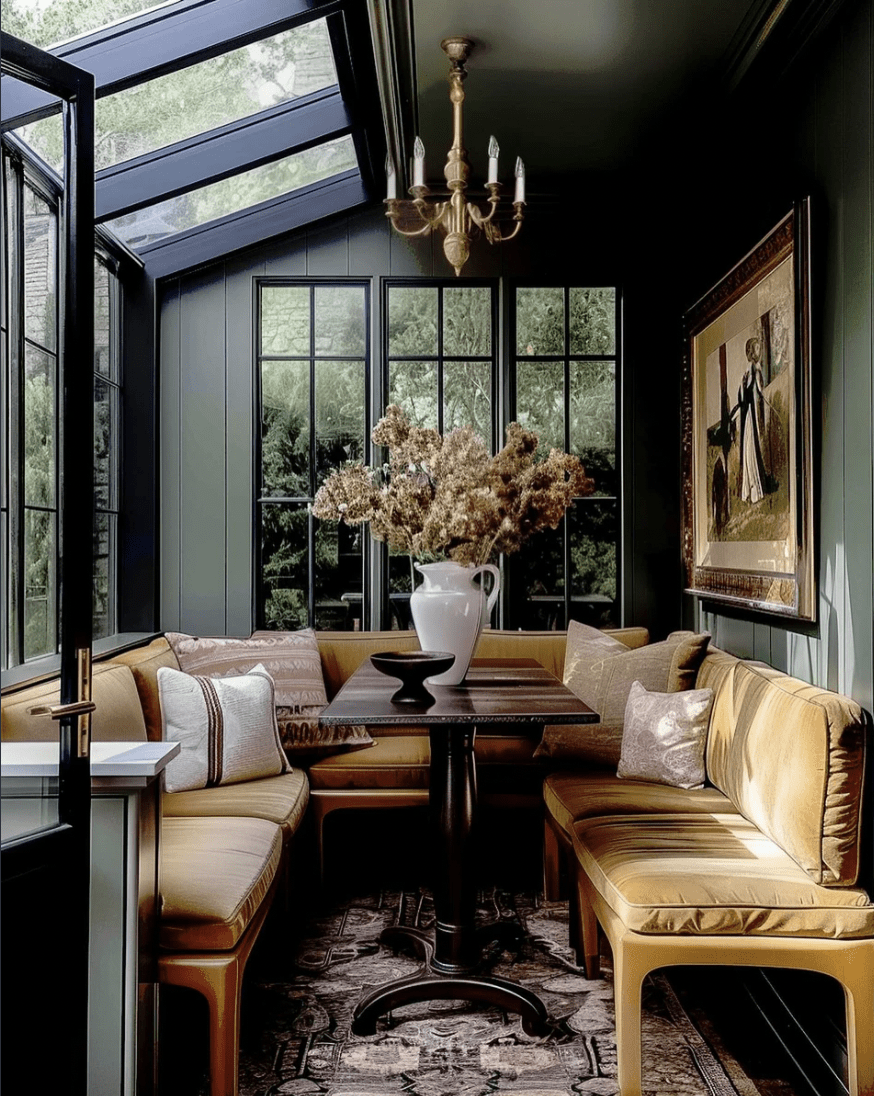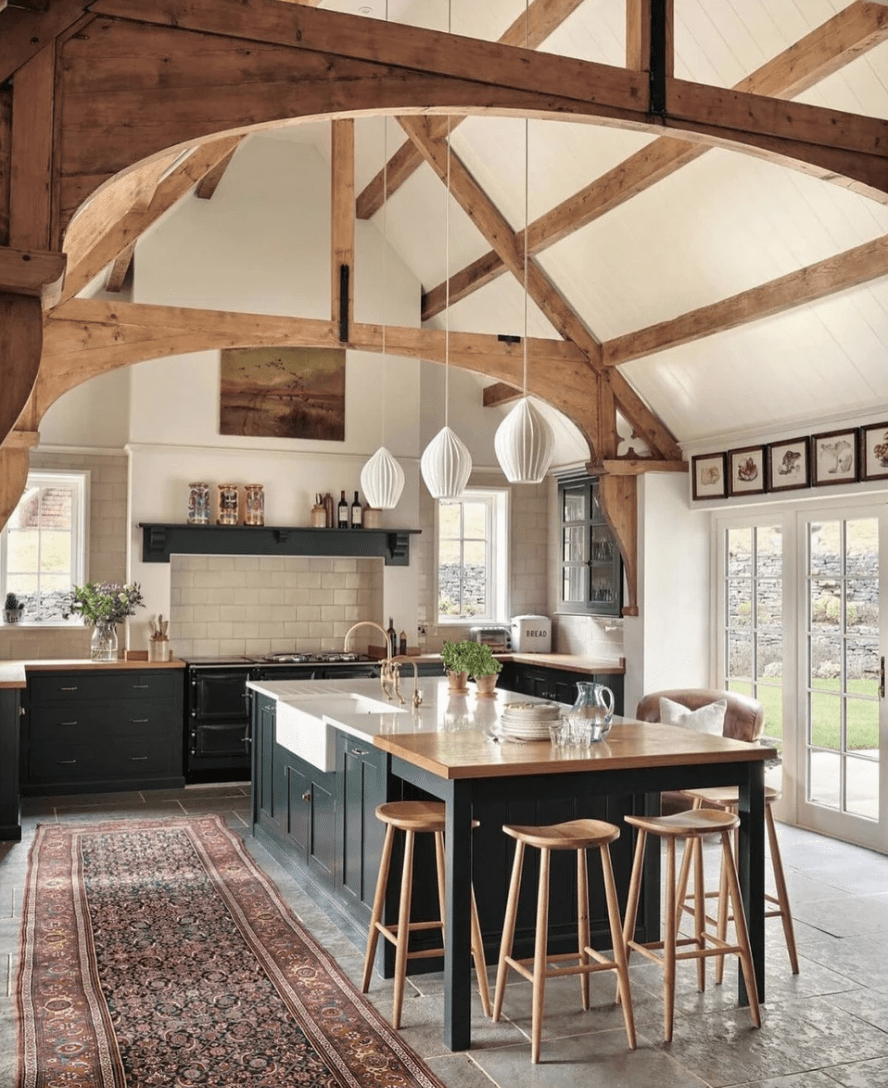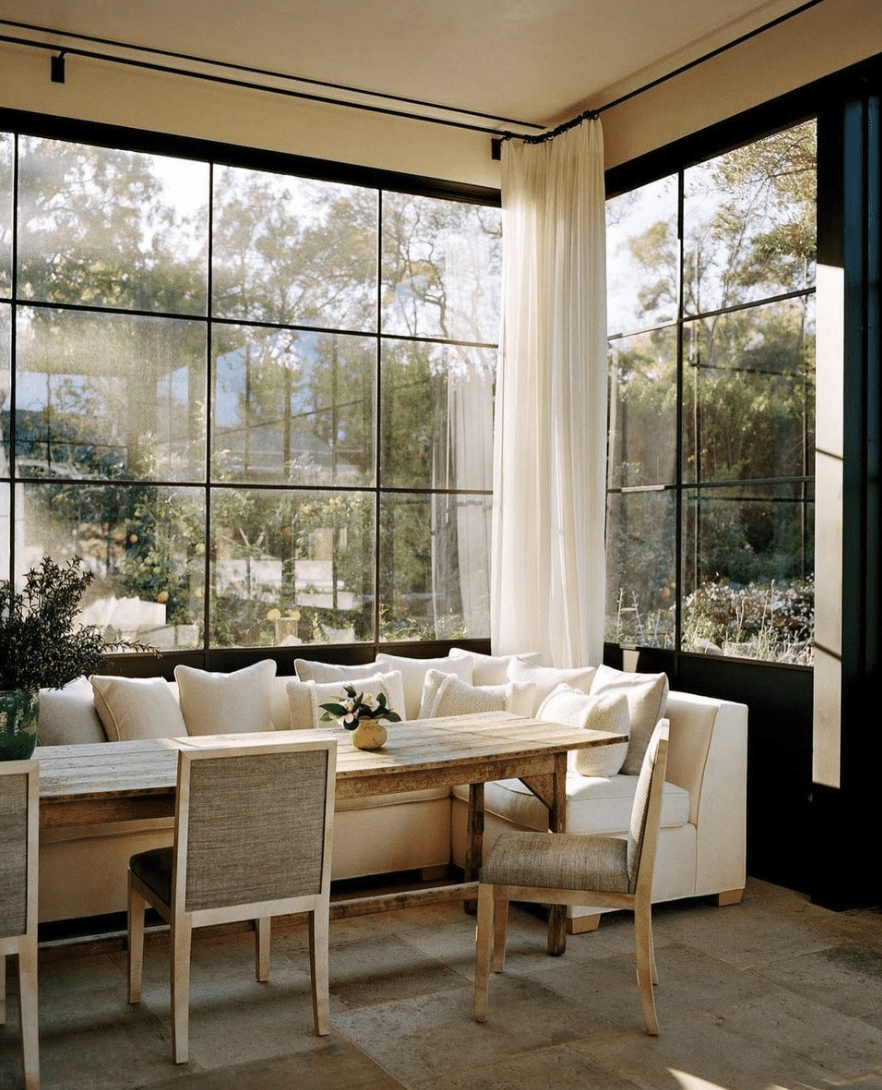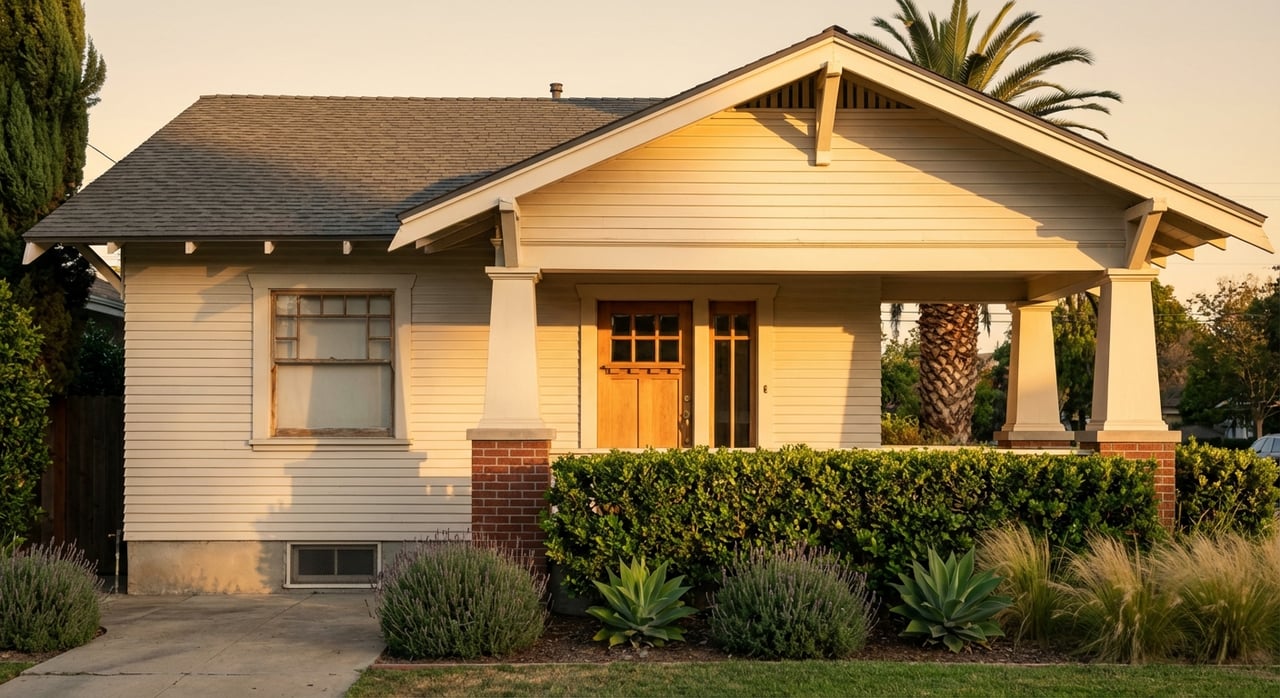
Picture yourself on a shady front porch, coffee in hand, admiring exposed rafter tails and a perfect pair of tapered columns. That Craftsman charm is easy to fall for. The regret usually shows up later if you skip the right inspections or miss Highland Park’s preservation rules. In this guide, you’ll learn how to buy a Craftsman here with confidence: what defines these homes, how HPOZ affects projects, the inspections that matter most, realistic repair budgets, financing options, and smart offer tactics for a competitive market. Let’s dive in.
Why Highland Park Craftsman homes stand out
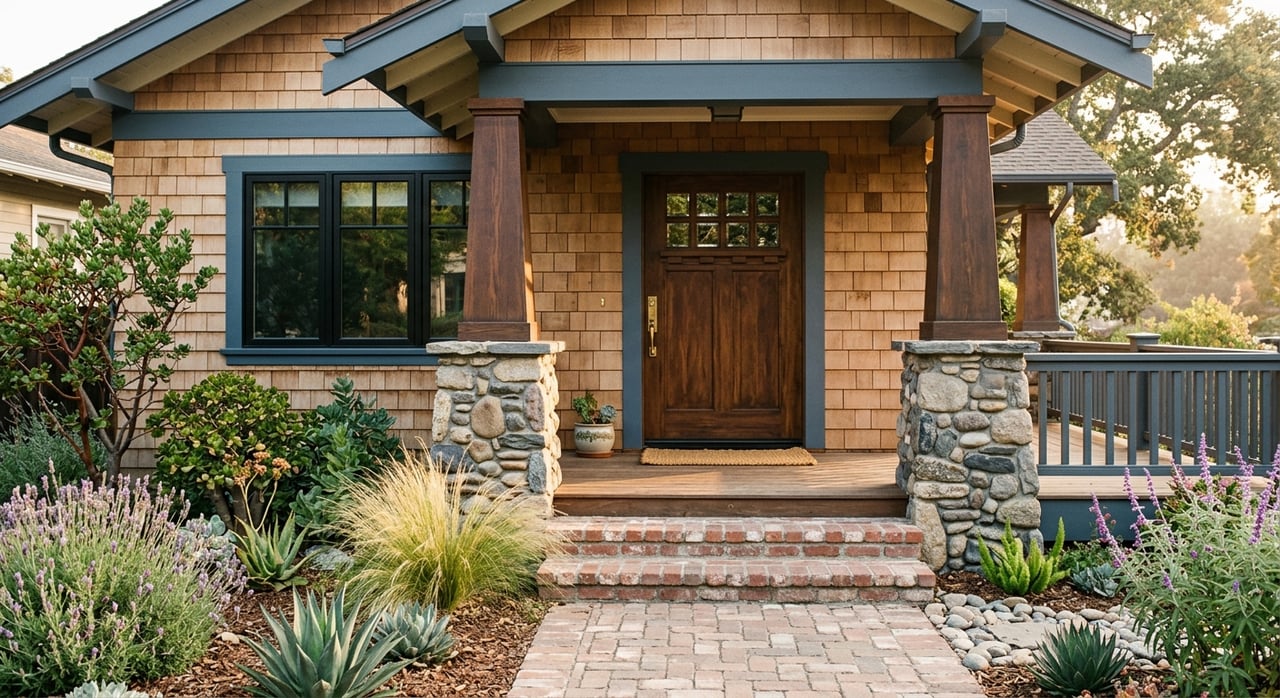
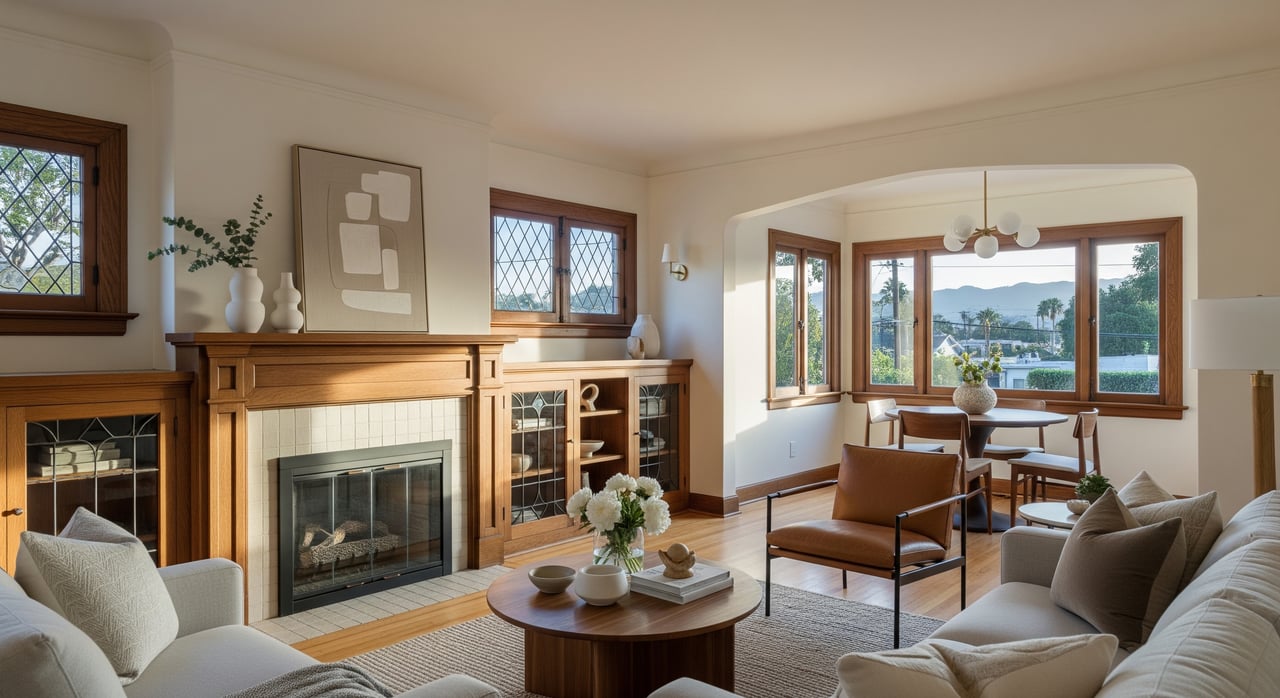
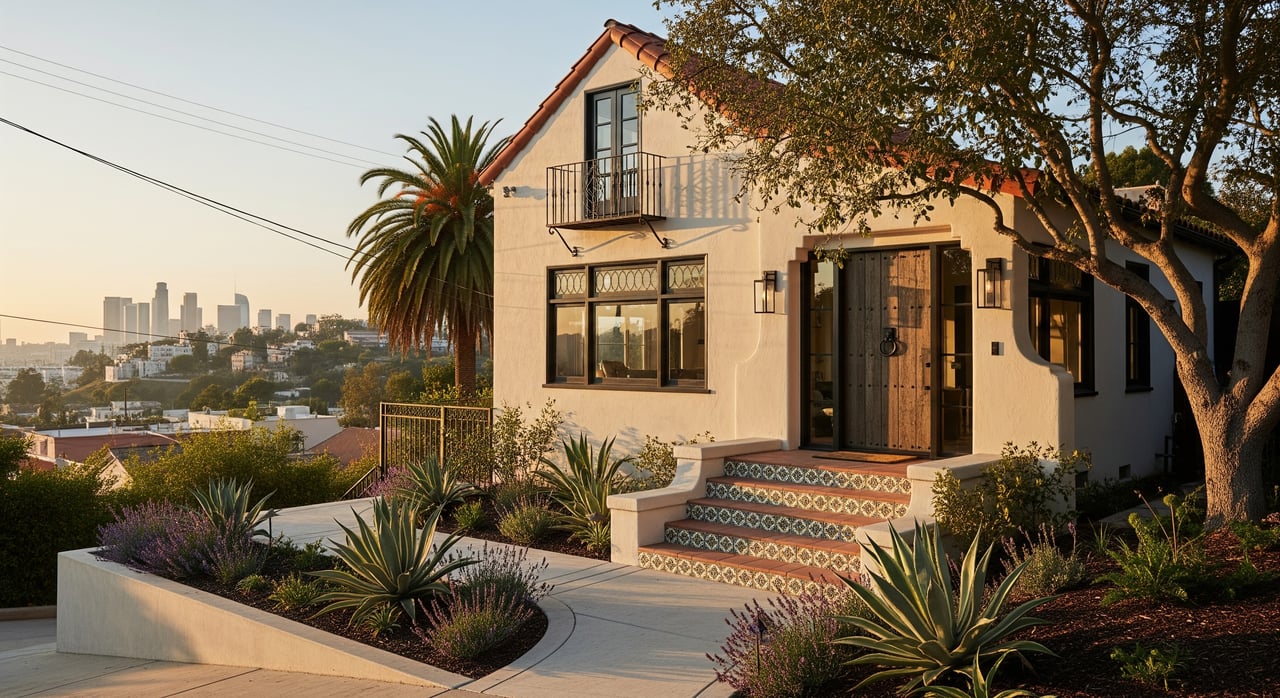
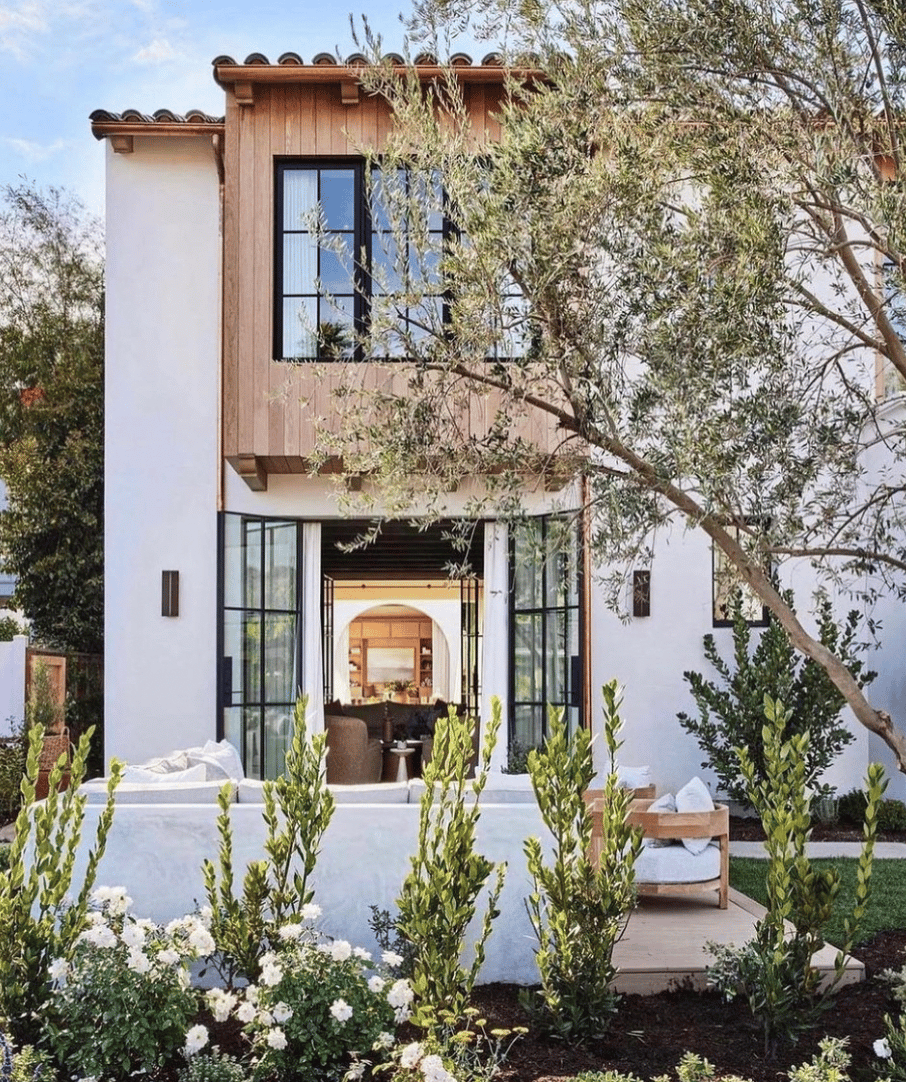
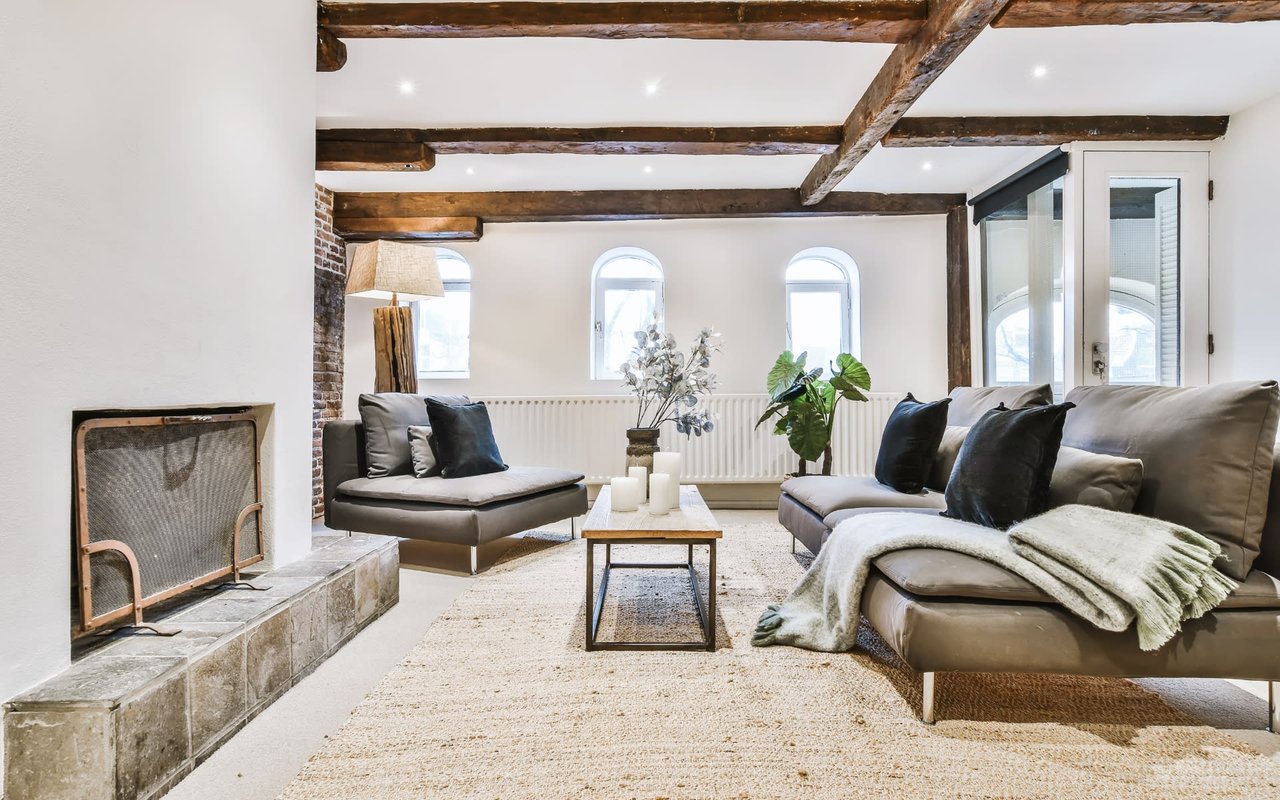
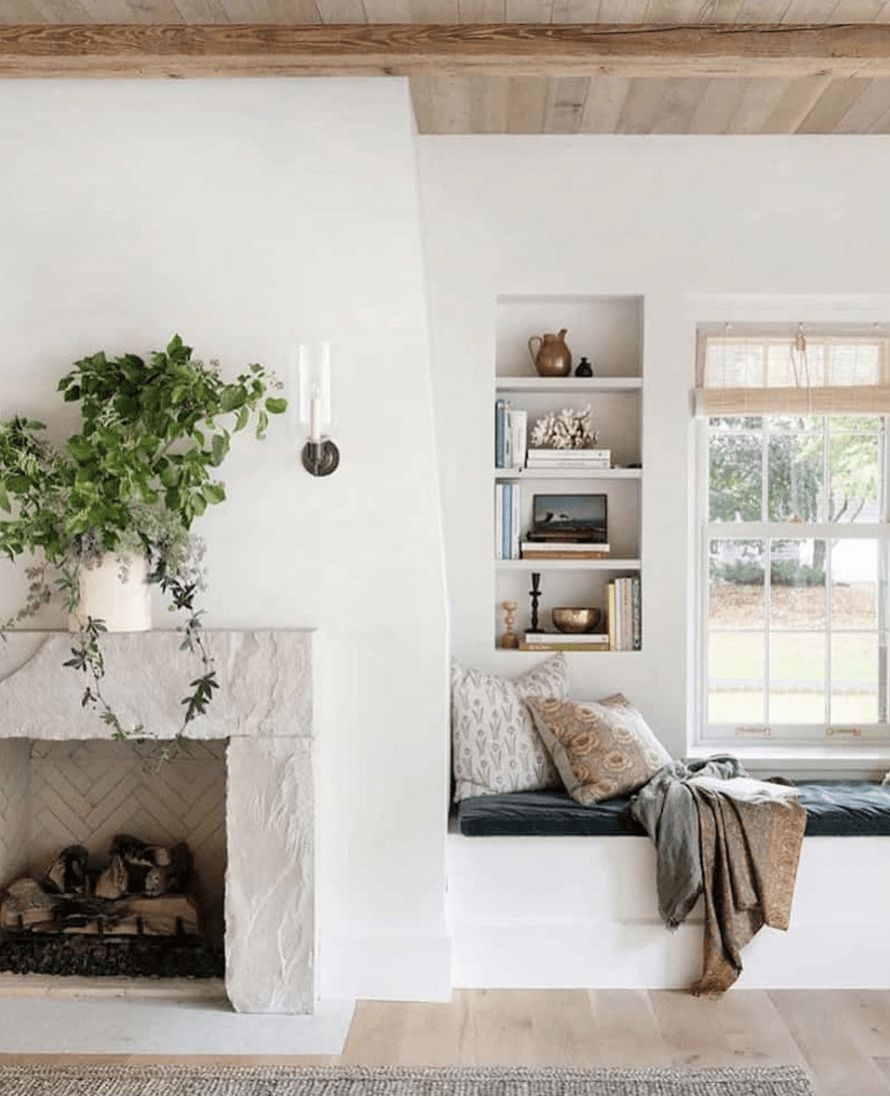
Highland Park has one of L.A.’s densest collections of Craftsman bungalows, mostly built from the 1900s to the 1930s. Typical hallmarks include low‑pitched gabled roofs with wide eaves, exposed rafter tails, wood siding, and welcoming covered porches. Inside, you often find built‑ins, wainscoting, substantial wood trim, and original hardwood floors. These are the features you pay for, and preserving them usually preserves value. For a quick refresher on the style, see the National Park Service’s summary of Craftsman characteristics and period details.
Lots tend to be modest by suburban standards, but many have mature gardens and detached garages. With the right permits, some buyers explore ADU potential. Floor plans are typically 1 to 1.5 stories, with compact rooms and a natural flow from porch to living room.
Know the HPOZ rules before you bid
Much of the neighborhood falls under the Highland Park–Garvanza Historic Preservation Overlay Zone (HPOZ). The HPOZ exists to protect the historic streetscape and specifically recognizes Craftsman houses as a core contributing type. Exterior changes visible from the street are subject to design review, including windows, porches, siding, and roofing details. Review the city’s official HPOZ page for processes, the Preservation Plan, and how to confirm if a property is contributing.
Some homes also qualify for the Mills Act, a property tax incentive program that can lower your tax bill in exchange for preservation commitments. Rules and availability can change, so confirm current guidance and obligations before you underwrite your budget using potential tax savings.
- Check HPOZ status early and factor review timelines into your plan.
- If you love original windows or a front porch, know that HPOZ review encourages repair over replacement if elements are character‑defining.
- Expect to pull permits for visible exterior work. Ask your agent to request any past permits and approvals.
The inspection playbook for century‑old bungalows
Inspections are where you prevent regret. Every home is unique, but certain findings are common in Craftsman bungalows.
Electrical safety and insurance hurdles
Older homes may have knob‑and‑tube or cloth‑insulated wiring, undersized panels, or DIY splices. Many insurers and lenders require replacement or certification if active knob‑and‑tube is present. Whole‑house rewiring and panel upgrades can run into the low‑to‑mid five figures depending on size and access. Bring a licensed electrician for a focused evaluation if your general inspector flags concerns.
Plumbing and sewer surprises
Original galvanized supply lines and cast‑iron drains are common and can cause low flow or failure. A sewer camera scope is essential on older homes. Whole‑house repipes using PEX or copper often range from a few thousand dollars to the mid‑five figures for a typical bungalow, with extra set aside for wall and finish repairs after the rough work.
Foundation and seismic readiness
Many bungalows sit on pier‑and‑beam foundations or have low cripple walls. Missing anchor bolts and weak connections can lead to sliding or collapse in a major quake. A straightforward cripple‑wall retrofit with bolting and plywood bracing often falls in the low five‑figure range, though complex sites cost more. If your inspector sees unbraced cripple walls or no bolting, consult a foundation contractor or engineer and get a written estimate.
Roofs and unreinforced chimneys
Multiple roof layers or aging materials are common, and unreinforced masonry chimneys can be a safety hazard. In Los Angeles, full roof replacements typically land in the mid‑to‑high five figures depending on size and material. Chimney bracing or removal may be advised for safety and insurance.
Termites and hidden wood damage
Southern California’s drywood and subterranean termites are active. A licensed structural pest inspection helps reveal issues at porches, sill plates, and rim joists. Treatment ranges from localized work to tent fumigation, and repairs can escalate if structural members are affected. Get a WDO report and price repairs into your offer strategy.
Lead paint and asbestos considerations
Any home built before 1978 is subject to federal lead‑paint disclosure rules. If you plan to sand, demo, or disturb painted surfaces, budget for testing and safe‑work practices or certified abatement. Asbestos can appear in older floor tiles, mastics, roofing underlayment, and some insulation. If suspected, test and use qualified abatement contractors to avoid exposure and project delays.
Your focused inspection list
- General home inspection
- Licensed electrician evaluation if old wiring is suspected
- Sewer camera scope
- WDO/termite inspection
- Foundation contractor or engineer if settling or unbraced cripple walls are noted
- Lead and asbestos testing if you plan renovations that disturb finishes
How to budget without regret
Plan to tackle safety and systems first. A conservative approach is to set aside 5 to 10 percent of the purchase price for near‑term maintenance on an older bungalow, with a contingency on top for surprises. Representative Los Angeles ranges help you frame expectations:
- Electrical rewiring and panel upgrade: several thousand to 25,000 dollars or more depending on scope.
- Whole‑house repipe: roughly 4,000 to 15,000 dollars or more for typical sizes, plus finish repairs where walls are opened.
- Roof replacement: commonly mid‑10,000s to 30,000 dollars or more based on material and complexity.
- Seismic retrofit (cripple‑wall bracing and bolting): often 5,000 to 15,000 dollars for straightforward cases; hillside or soft‑story conditions cost more.
- Termite treatment and structural repairs: inspection a few hundred dollars; localized repairs in the hundreds to thousands; extensive structural work can exceed 10,000 dollars.
Tips to stay on track:
- Build a 15 to 20 percent contingency into any renovation budget for an older home.
- Sequence projects: address electrical, plumbing, roof, and seismic work before cosmetic updates.
- Get at least two local bids per trade and verify license, insurance, and references.
Renovation financing that actually helps
You can roll repairs into your mortgage if that fits your plan and timeline.
FHA 203(k) Rehab Loan: Combines purchase and renovation into one FHA‑insured mortgage for owner‑occupants. There are Limited and Standard versions, and larger projects require a HUD consultant. This is helpful if you want to finance eligible repairs with a lower down payment.
Fannie Mae HomeStyle Renovation: A conventional loan that uses an as‑completed appraisal and releases funds as work is completed. It can support a broader scope of improvements and may suit buyers who prefer conventional underwriting.
Practical tips:
- Renovation loans usually require contractor bids and a detailed scope before closing, along with staged draws. Expect a longer timeline to close than a standard mortgage.
- For smaller fixes, many buyers use cash reserves, a post‑closing HELOC, or a second loan.
Offer strategies for a competitive Highland Park buy
Highland Park can move fast, so preparation is everything. You can protect your interests without taking on unlimited risk.
- Get fully underwritten pre‑approval and include lender contact info in your offer packet. Sellers value certainty.
- Keep an inspection contingency, but shorten the window to show you will move quickly. Many buyers aim for five business days with inspectors pre‑booked.
- Consider an appraisal‑gap clause that caps your exposure rather than fully waiving the appraisal. It signals strength without blind risk.
- Sweeten non‑price terms: a larger earnest money deposit, a seller‑preferred closing date, and a clean, complete offer packet.
- If you plan renovations, line up a renovation loan or contractor bids early so you can price work into your offer with confidence.
- Know when to walk away: major foundation failure, pervasive active termites with extensive structural impacts, uninsurable electrical systems, or a demand to remove all contingencies when you lack reserves.
Quick buyer checklist
- Confirm if the home is in the Highland Park–Garvanza HPOZ and whether it is a contributing structure. Review the city’s HPOZ resources and Preservation Plan.
- Ask the seller for prior inspections, permit history, and any Mills Act contract documentation. Verify current program guidance if you plan to rely on tax savings.
- Order inspections during your contingency period: general, sewer scope, WDO/termite, electrical review, and foundation/engineering as needed. Add lead and asbestos testing if you’ll disturb finishes.
- Build a realistic budget with a 15 to 20 percent contingency for older homes. Prioritize safety and systems first.
- Explore FHA 203(k) or HomeStyle early if you want to finance renovations into your purchase.
Work with a neighborhood‑rooted guide
Buying a Craftsman in Highland Park is as much about stewardship as it is about style. You want a partner who can help you honor the character, navigate HPOZ review, and still land smart numbers on inspections and repairs. Our team lives and works on the Eastside and brings a design‑aware, concierge approach to every step, from offer strategy to contractor referrals and project management. If you’re ready to find the right bungalow without regrets, connect with Mary Dix for a consult.
FAQs
What makes a Highland Park Craftsman valuable to preserve?
- Character features like low‑pitched gable roofs, wide eaves with exposed rafter tails, covered porches, built‑ins, wood trim, and original floors typically drive buyer interest, and keeping these intact usually supports long‑term value.
How does the HPOZ affect my remodel timeline in Highland Park?
- Visible exterior changes such as windows, porch elements, siding, and roofing details require HPOZ design review and permits, so build extra time into your schedule and consult the city’s Preservation Plan before you draw plans.
What are common big‑ticket repairs in Craftsman bungalows?
- Rewiring and panel upgrades, whole‑house repipes, roof replacement, seismic retrofits for cripple walls, and termite treatment or structural wood repair are the most frequent large costs in older homes.
How much should I budget for a basic seismic retrofit?
- A straightforward cripple‑wall bracing and bolting job often falls between 5,000 and 15,000 dollars, while complex sites or additional structural needs can raise costs significantly.
What inspections should I add beyond a general home inspection?
- Order a sewer camera scope, a WDO/termite report, a licensed electrician’s review if old wiring is suspected, a foundation contractor or engineer if there are movement signs, and lead/asbestos testing if you plan to disturb finishes.
Can the Mills Act lower my property taxes on a historic home?
- Some qualifying historic properties can receive a property tax reduction under a Mills Act contract, but the program comes with preservation obligations and availability can change, so verify current eligibility and terms before you rely on savings.