Ever wonder what daily life feels like in a city that calls itself the City of Trees? If you are looking at South Pasadena, you are probably trying to picture more than home prices and listing photos. You want to know how the streets feel, where daily routines happen, and what kind of rhythm the city offers. This guide will help you picture that everyday experience more clearly. Let’s dive in.
South Pasadena at a glance
South Pasadena is a compact city about six miles from downtown Los Angeles. According to the city, it covers 3.44 square miles and has a population of about 25,000. That smaller footprint shapes how the city feels when you move through it day to day.
The city also highlights more than 100 acres of parks and playgrounds and an estimated 21,000 trees. That helps explain why South Pasadena often reads as leafy, shaded, and residential rather than wide-ranging or high-density. The city’s own identity as the City of Trees is not just branding. It is part of the lived environment.
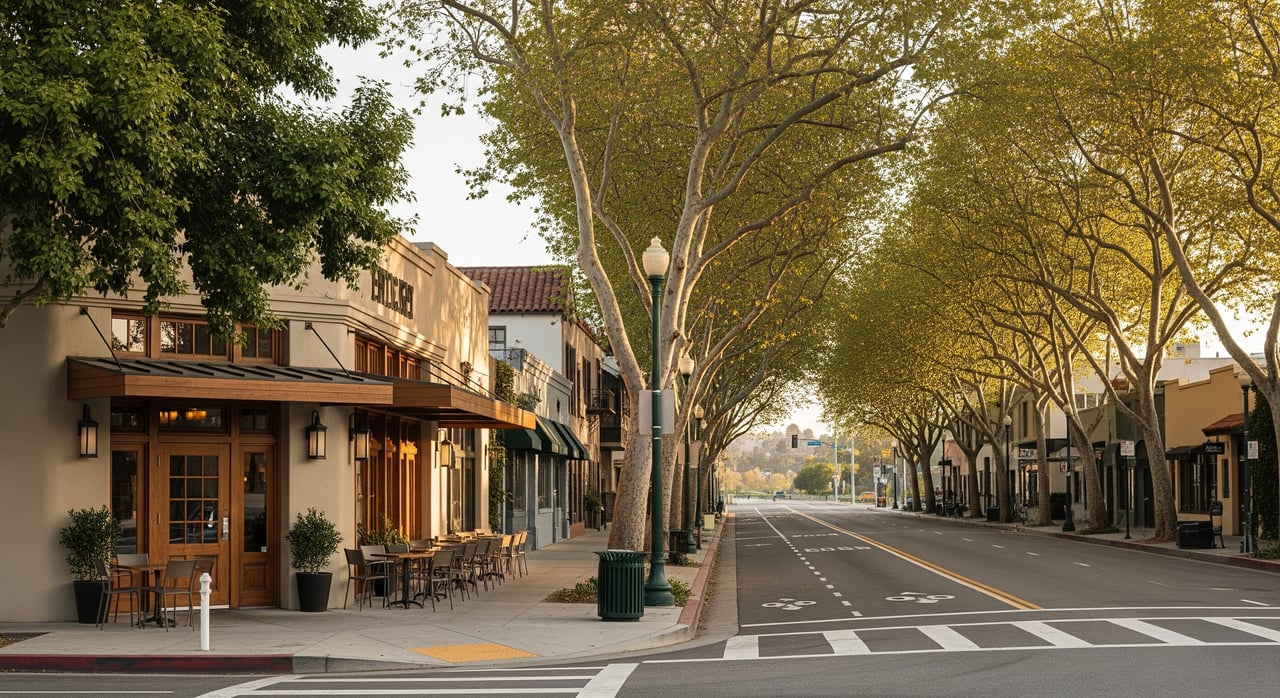
Tree-lined streets shape daily life
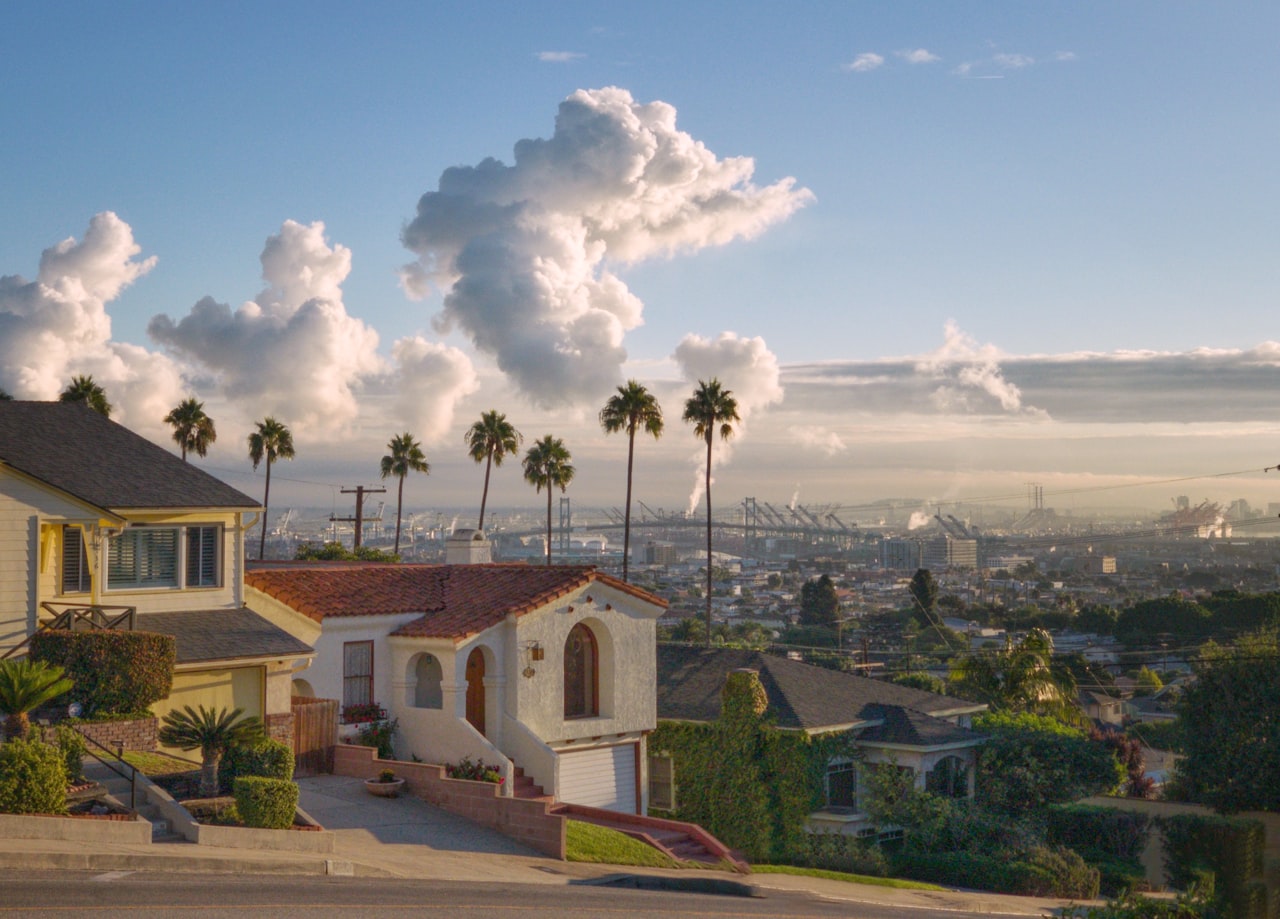
One of the first things many people notice about South Pasadena is the canopy. The city says it has been a Tree City USA community for more than 25 years and regulates tree removal and pruning to help protect that urban forest. In practical terms, that means the tree-lined look is something the city actively maintains.
For you as a buyer, that can translate into a streetscape that feels established and visually consistent. Shade, mature landscaping, and a strong sense of greenery can make ordinary routines like walking the dog, heading out for coffee, or driving home feel calmer and more grounded. In a region where neighborhood character can shift block by block, that consistency stands out.
Mission Street is the daily hub
In many communities, errands and social stops are spread out. In South Pasadena, the everyday center of gravity is more concentrated. City planning documents describe Mission Street as the historic main street, with important civic buildings and a preserved historic character, especially near the Metro A Line station.
That matters because it gives the city a familiar daily rhythm. Instead of feeling like you need to crisscross a large area for every small task, many day-to-day stops are anchored around a recognizable corridor. Coffee, quick meals, local shopping, and meetups tend to feel connected to the same downtown spine.
The city’s Downtown Specific Plan is designed to improve quality of life while preserving historic assets and supporting compatible businesses. For residents, that points to a downtown that is evolving with intention rather than changing at random. If you value a main-street feel, South Pasadena offers that in a very tangible way.
The farmers’ market adds weekly rhythm
Some neighborhoods feel different depending on the day of the week. In South Pasadena, Thursday has its own built-in routine thanks to the South Pasadena Farmers’ Market. The Chamber lists it as a California-certified market with fresh produce and hot foods, and city materials place it on Meridian Avenue between El Centro Street and Mission Street.
That kind of recurring event can do a lot for everyday life. It creates a dependable weekly touchpoint where practical errands and casual social time overlap. You are not just picking up produce. You are stepping into a pattern that can make a place feel familiar faster.
For buyers who care about lifestyle, this is an important detail. A regular community market often says a lot about how people use public space and how often neighbors naturally cross paths.
Historic homes define the visual character
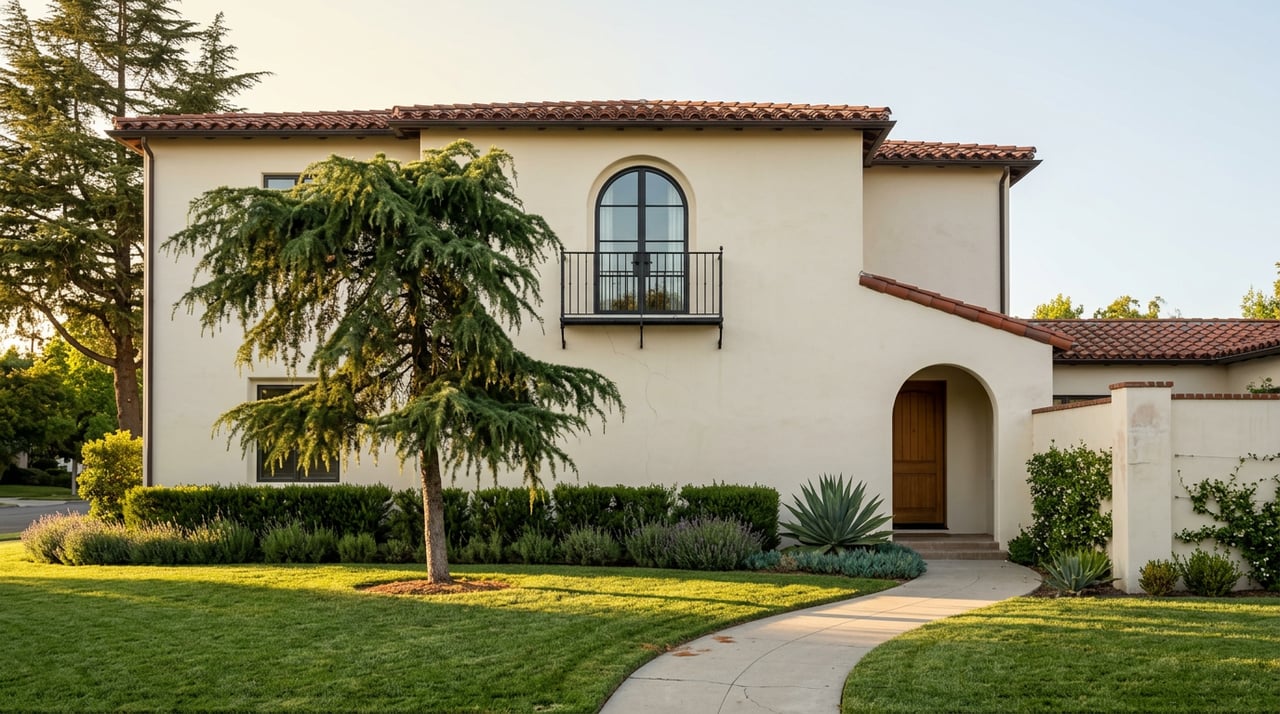
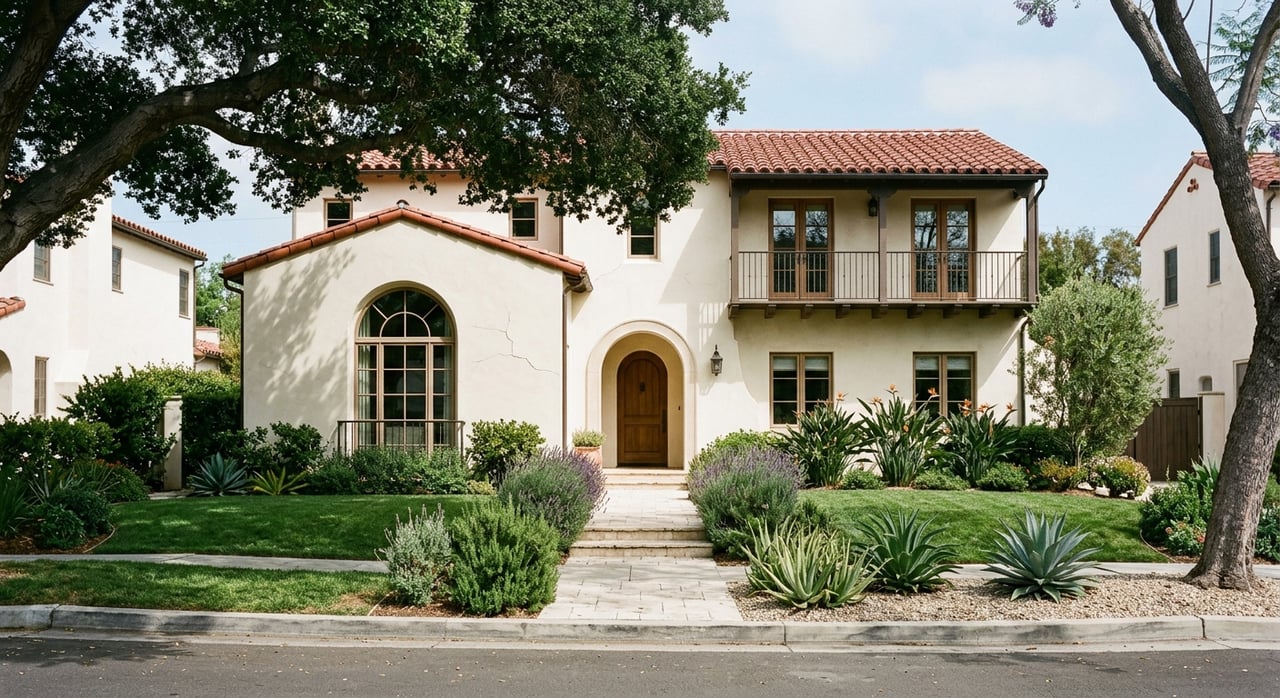
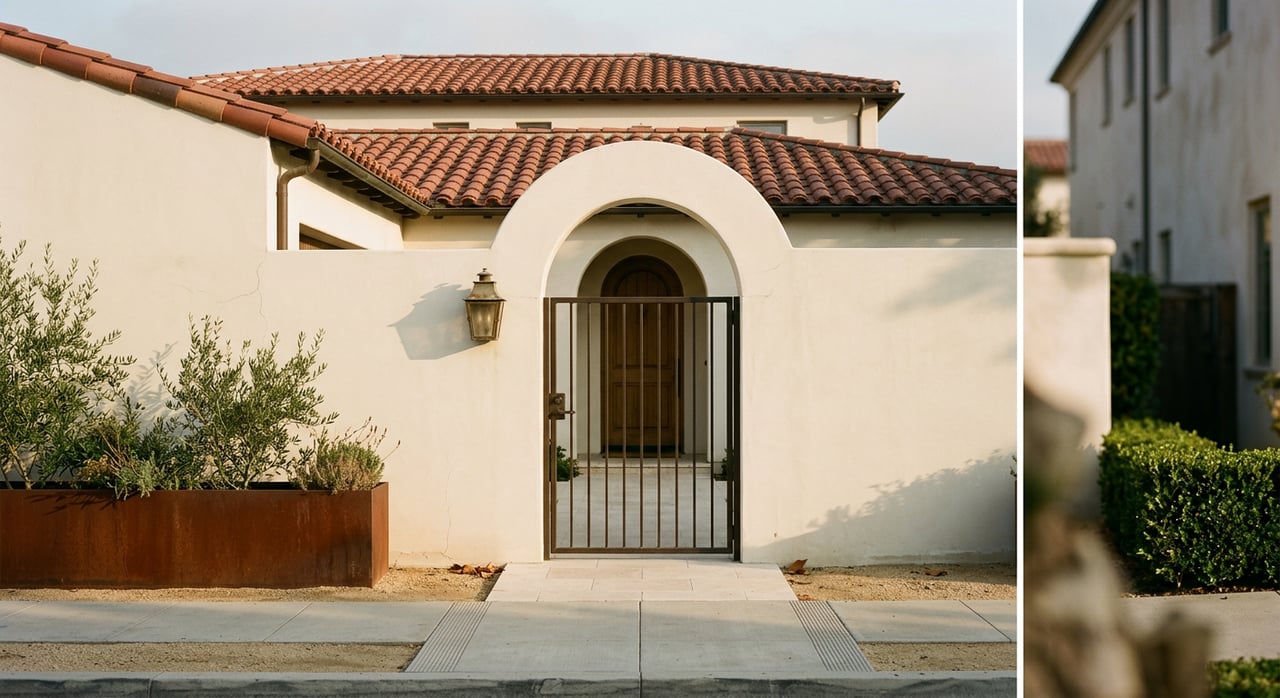
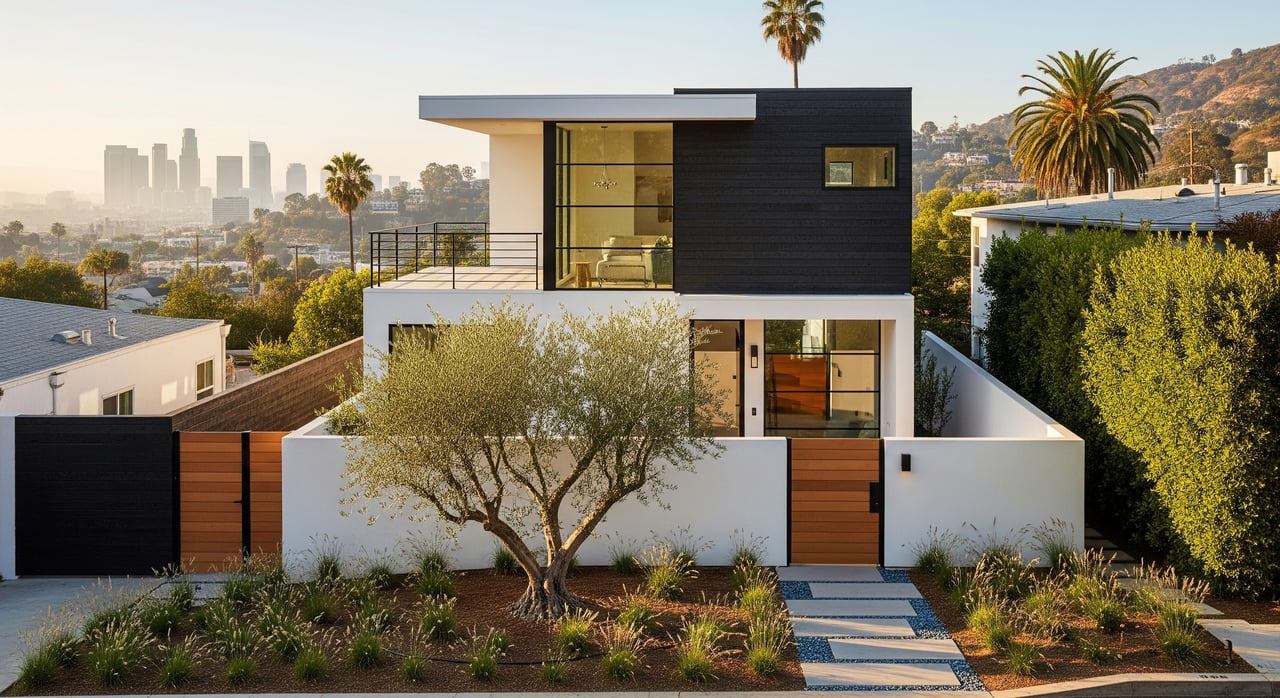
South Pasadena’s housing story is closely tied to its history. The city’s planning materials cover development patterns from the late 1800s through the mid-century modern era, and its inventory identifies historically significant properties and districts. That gives the housing stock a strong sense of continuity.
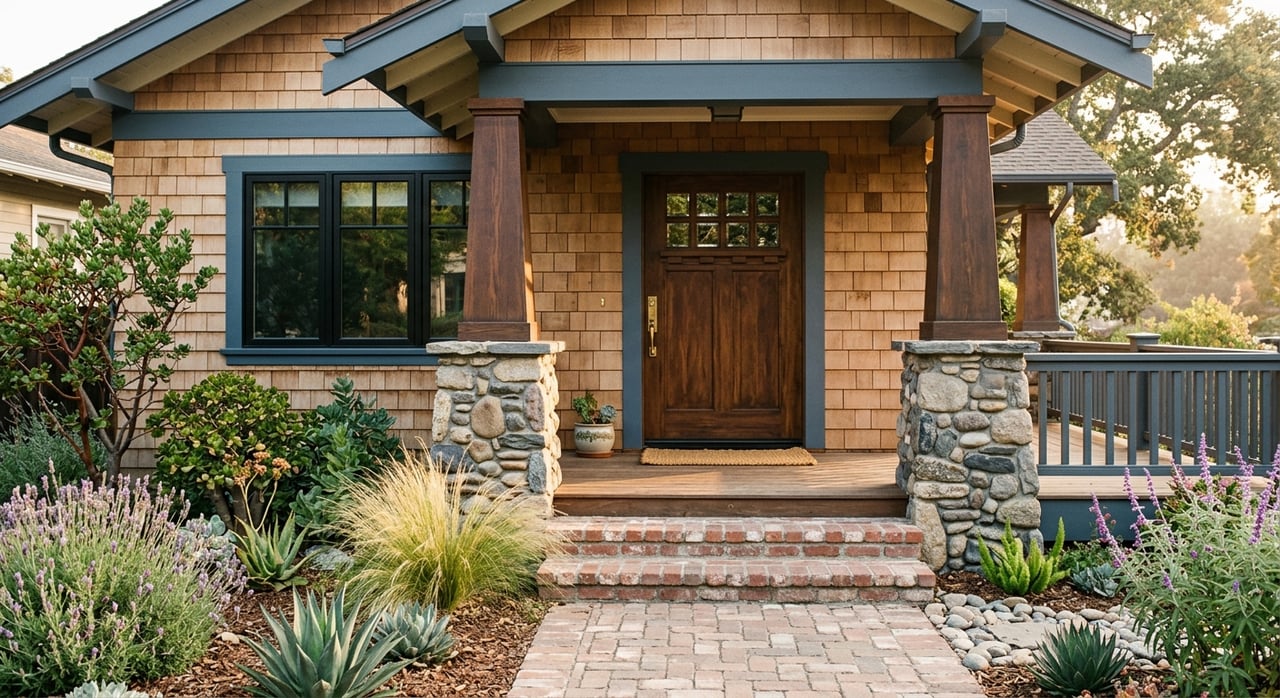
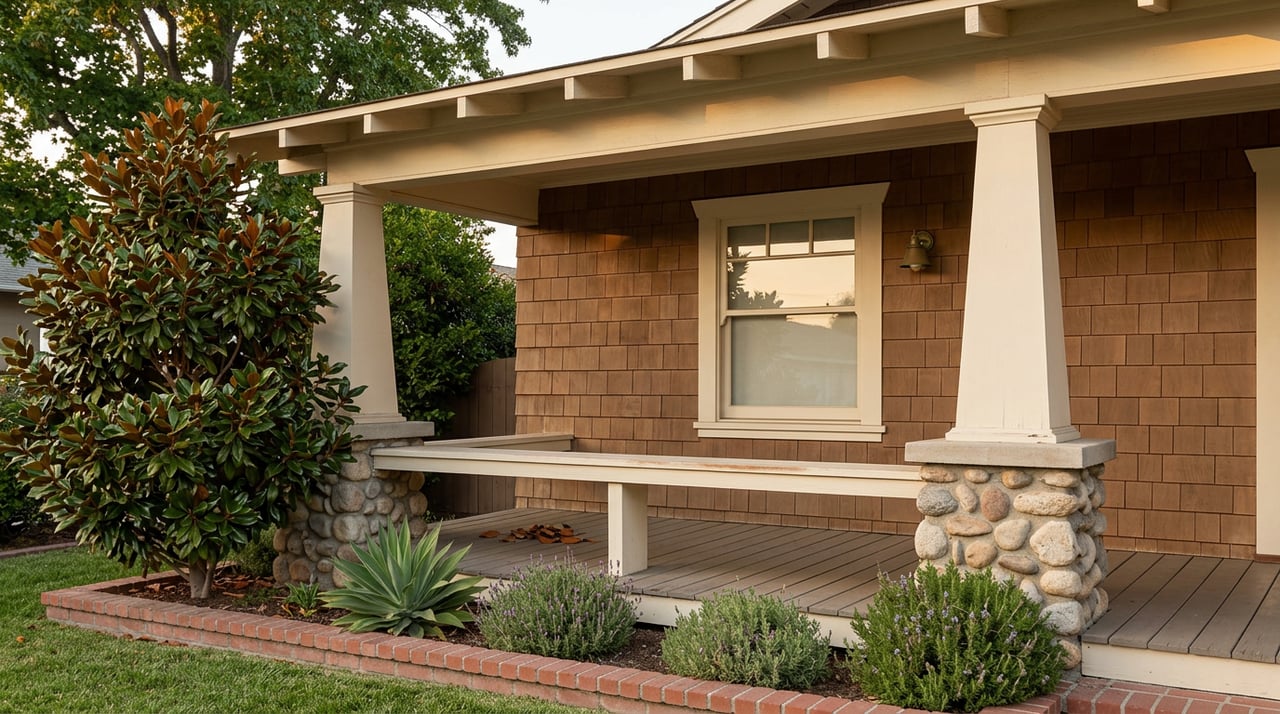
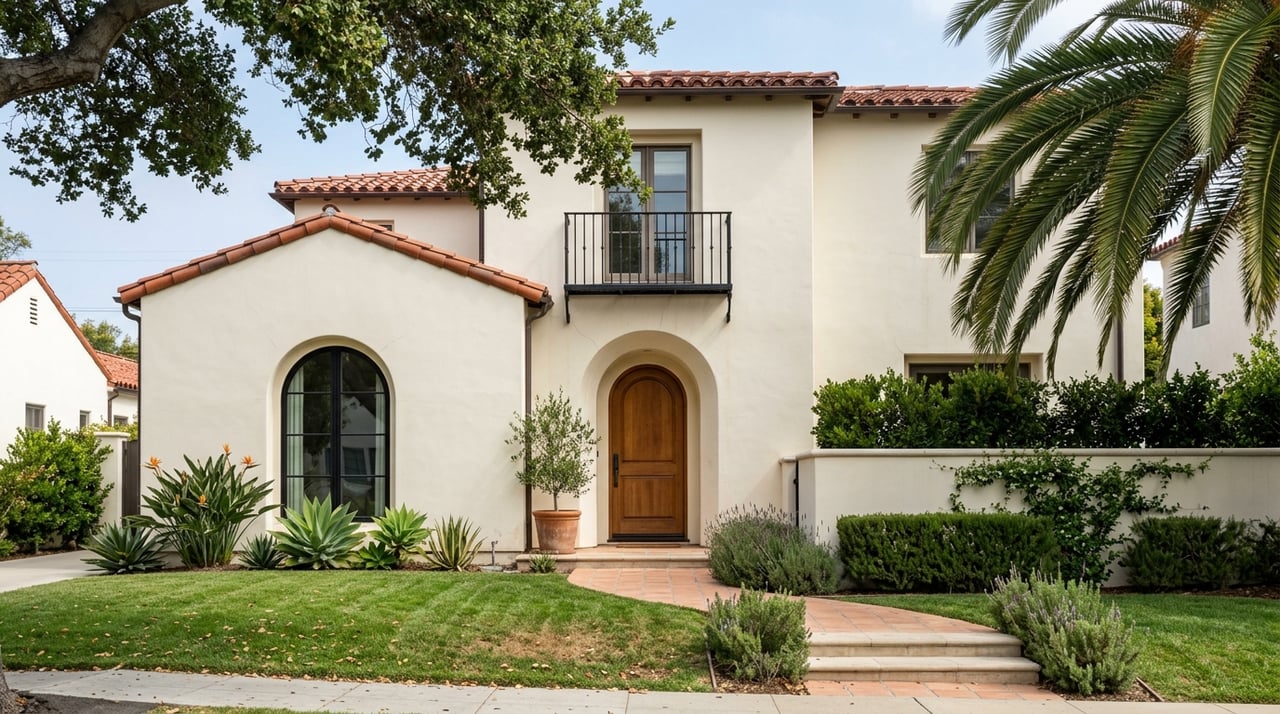
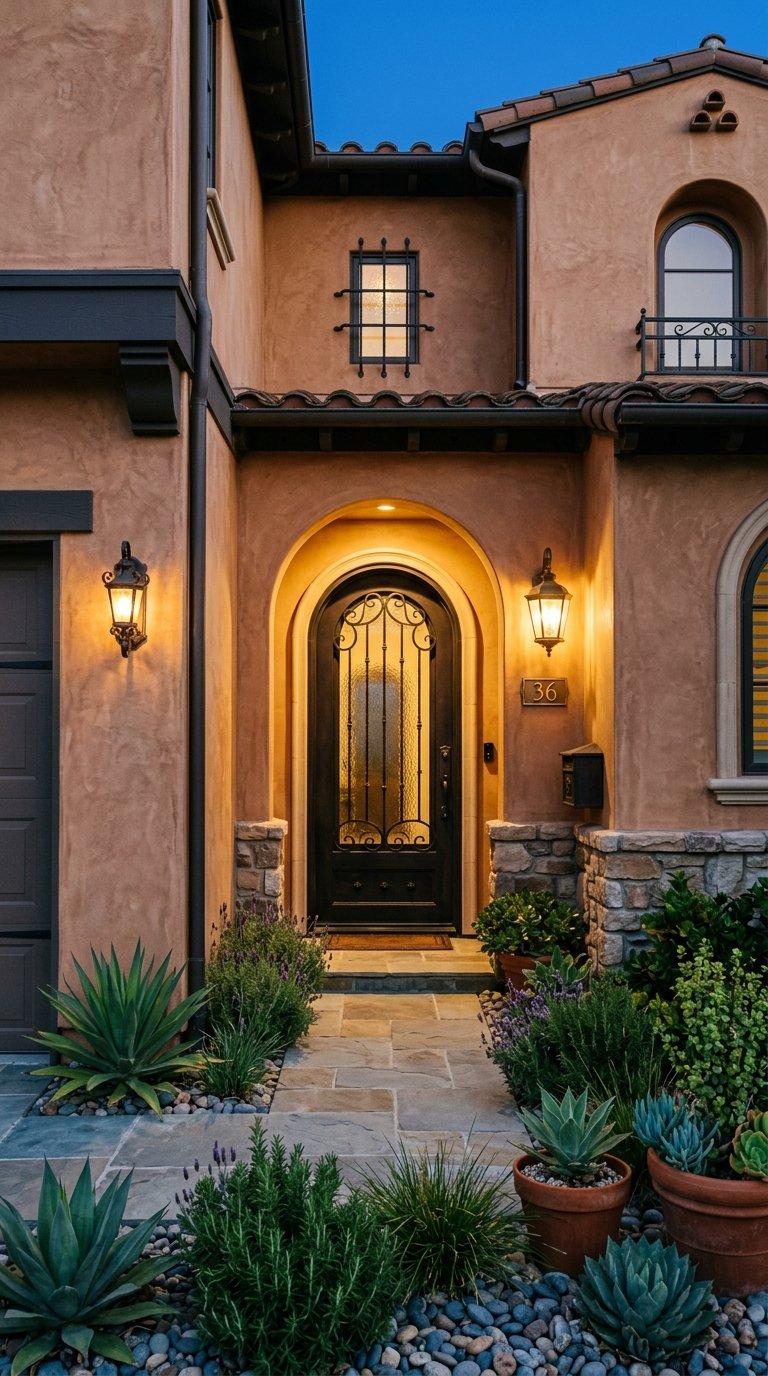
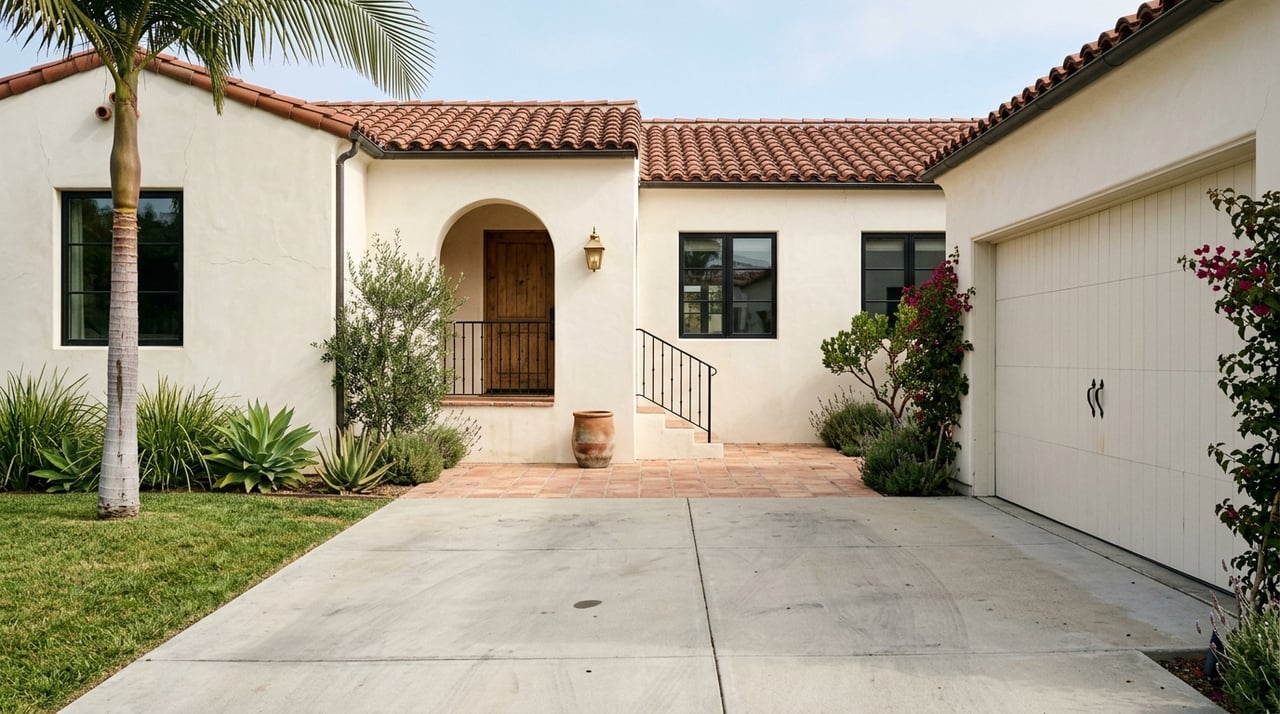
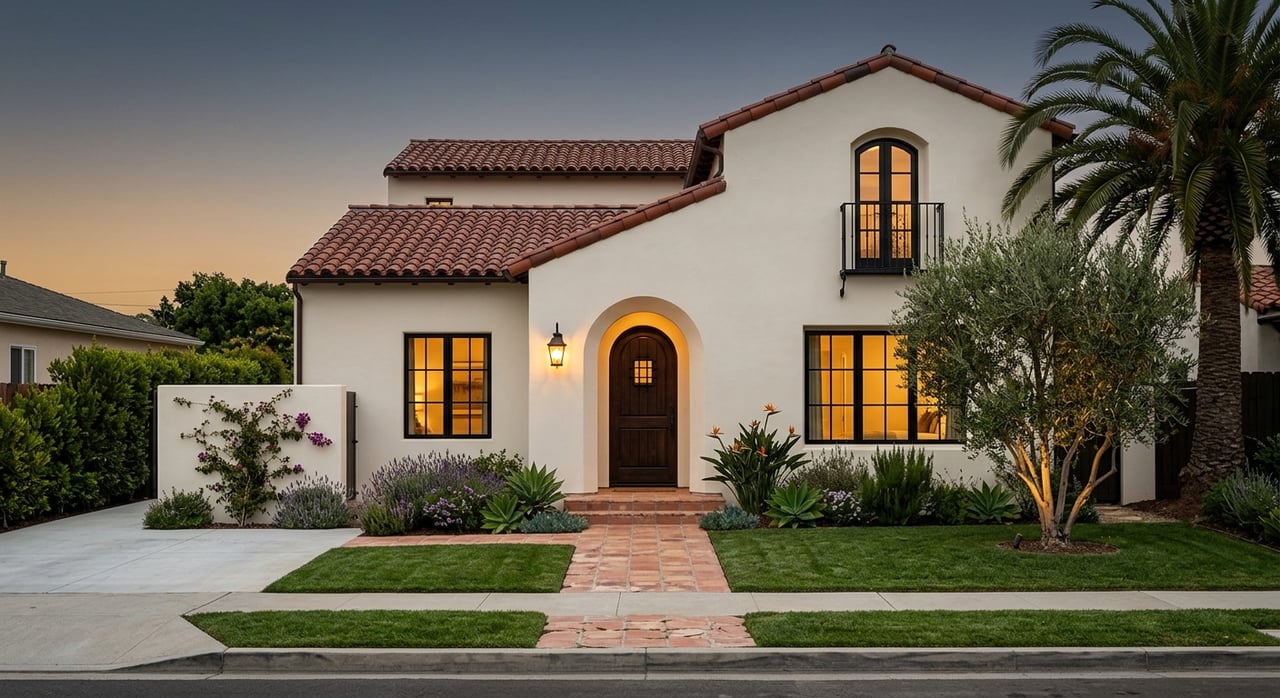
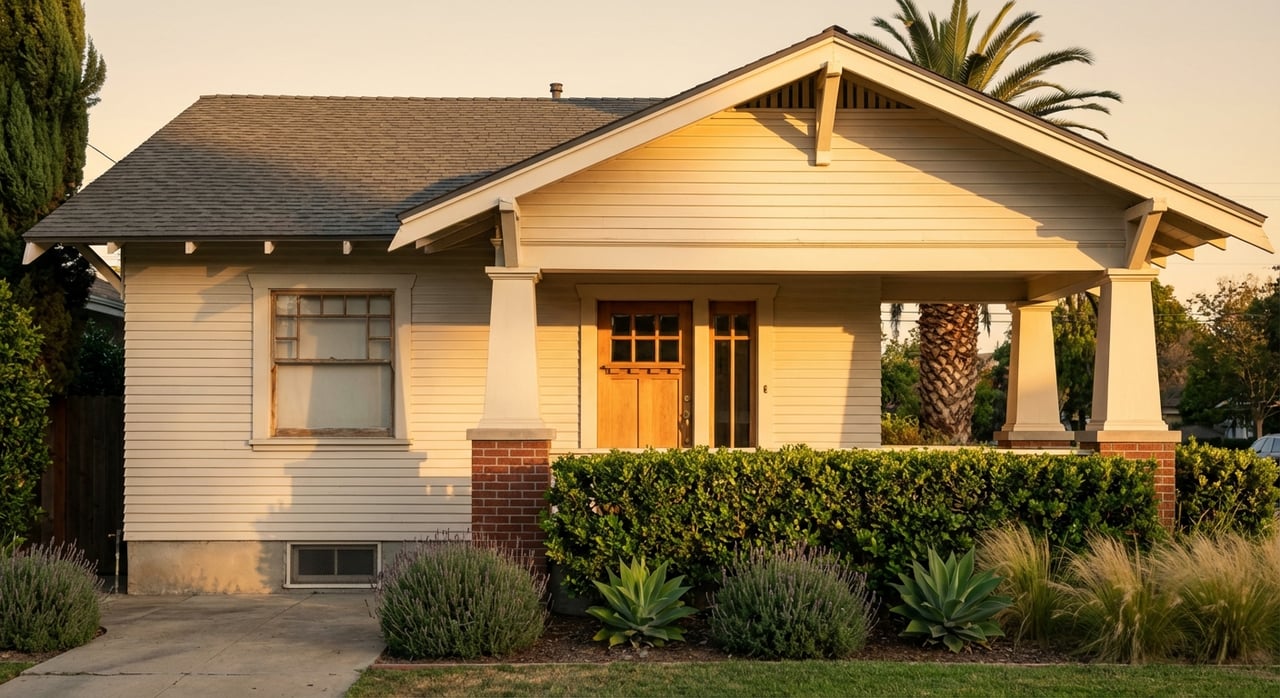
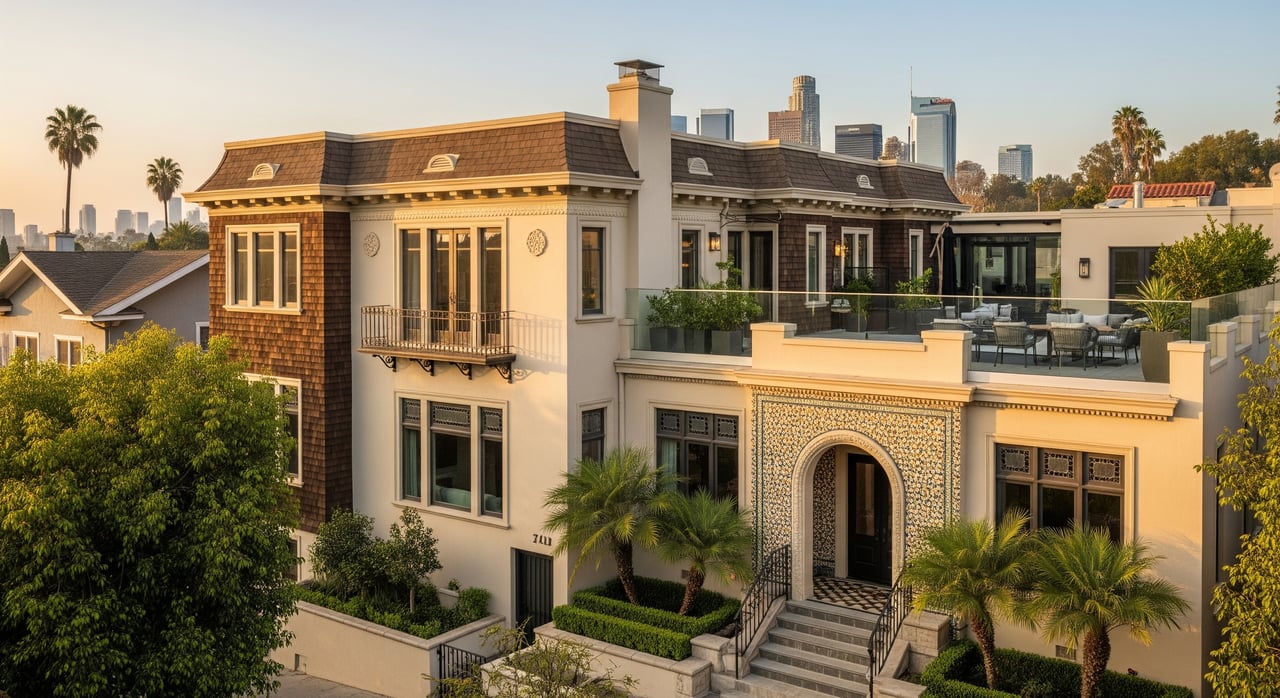
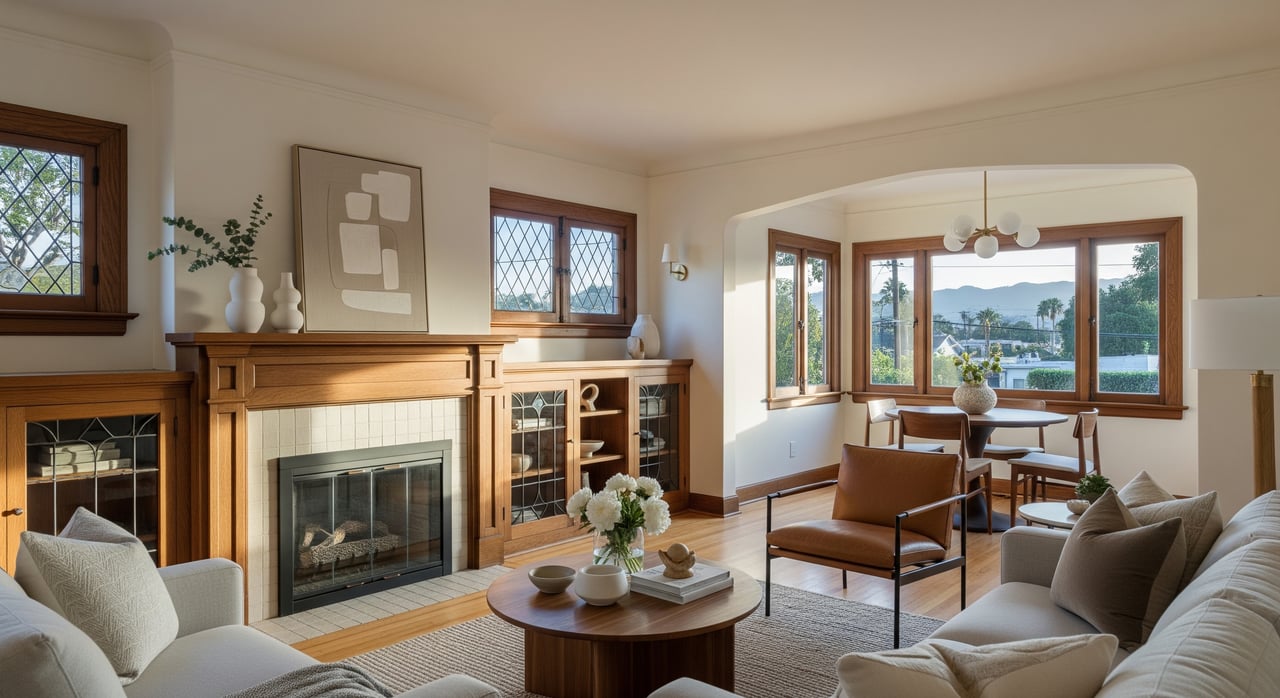
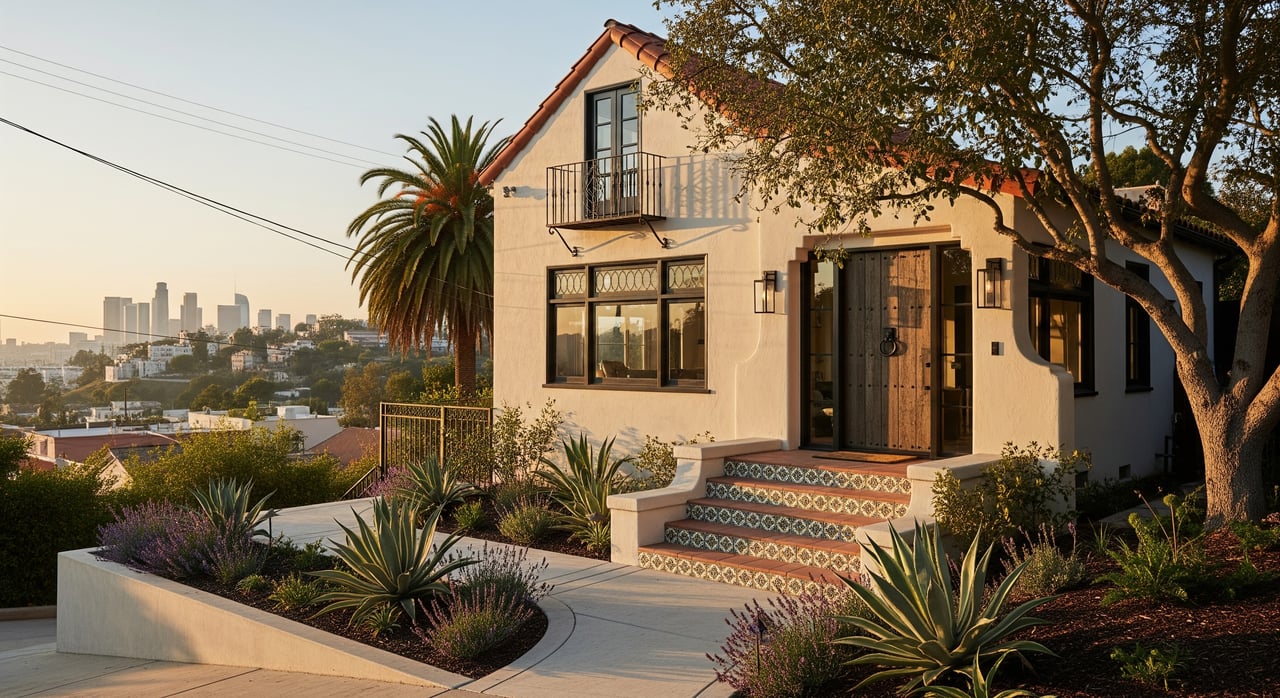
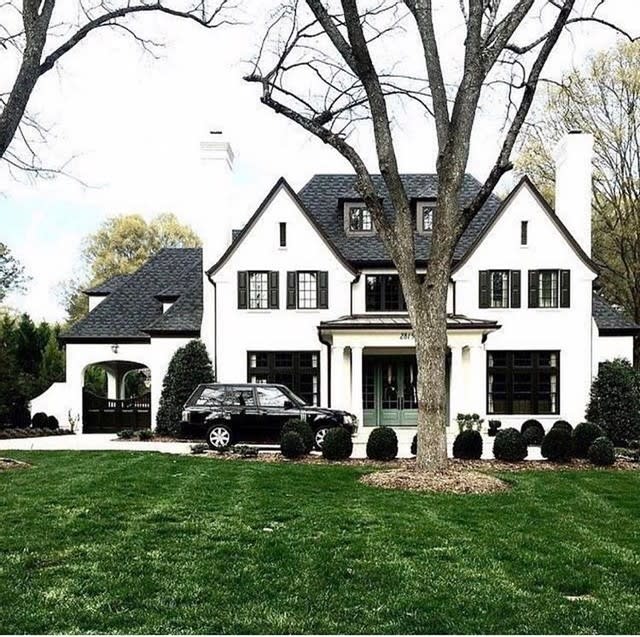
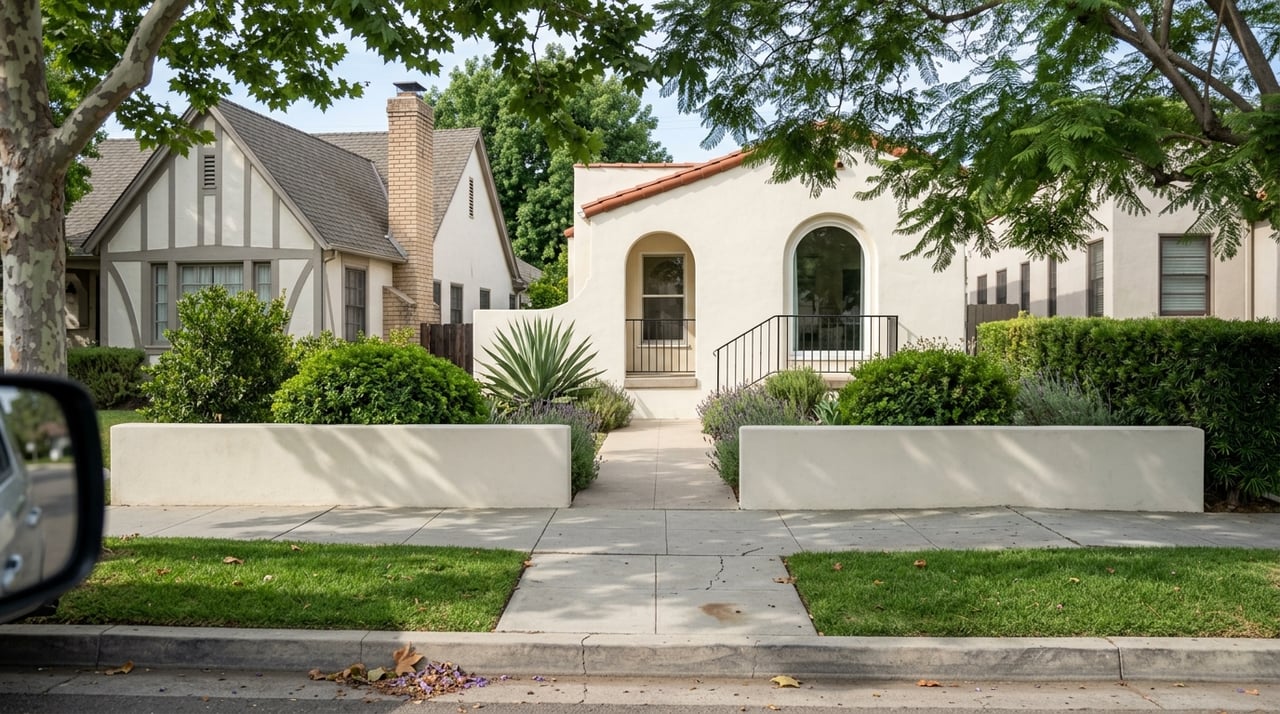
The city’s residential design guidelines specifically note that Craftsman bungalows line many residential streets. They also recognize bungalow courts as a historic multi-family housing form. If you enjoy neighborhoods where the architecture adds to the experience of walking or driving through them, South Pasadena has that visual appeal.
The city’s local history resources also note that many residents are drawn to South Pasadena because of its historic homes. That does not mean every home is the same or that every property is historic. It does mean the city has a well-documented architectural identity, and that identity is part of what many buyers respond to.
Why the streets often feel carefully maintained
South Pasadena’s appearance is not only about older homes and mature trees. It is also influenced by city oversight. Design review applies to historic residences, and tree work is tightly regulated.
The result is a neighborhood fabric that often feels intentionally preserved. Rather than a patchwork of fast cosmetic changes, you may notice a stronger sense of visual continuity from one block to the next. For buyers who appreciate design details and long-term neighborhood character, that can be a meaningful part of the city’s appeal.
Parks and public events extend the lifestyle
Daily life in South Pasadena is not limited to residential blocks and Mission Street. The city also has recurring community programming at Garfield Park, including concerts in the park, outdoor movies, and Shakespeare performances. That adds another layer to the local routine.
These kinds of events matter because they create low-pressure ways to enjoy where you live. You do not always need a big plan or a long drive. In a smaller city, accessible public events can make everyday life feel fuller and more connected.
When you combine parks, programmed events, and a compact footprint, South Pasadena can feel easier to settle into. That sense of local rhythm is often what turns a place from a good map location into a community you can picture yourself enjoying.
A village-like feel in Northeast LA
South Pasadena’s official materials consistently emphasize preservation, historic character, and a main-street downtown. Compared with nearby options in the broader Northeast Los Angeles area, the city often comes across as more settled and village-like in its daily feel. That is not a formal ranking. It is a practical takeaway from the city’s planning language and civic identity.
For you, that may mean a lifestyle that feels a bit more repeatable in a good way. Tree canopy, familiar storefronts, historic streets, and regular community events create a pattern. If your ideal neighborhood feels calm, established, and easy to learn, South Pasadena is worth a close look.
What buyers should pay attention to
If South Pasadena is on your shortlist, it helps to look beyond broad descriptions and focus on how the city functions in everyday life. A few details can tell you a lot during your search.
Notice the street experience
Pay attention to how much tree cover a block has, how homes relate to the street, and how consistent the streetscape feels. In South Pasadena, those details are a big part of the lifestyle value. They shape everything from curb appeal to your daily walks.
Spend time near Mission Street
Visit downtown at different times of day if you can. Since Mission Street acts as the city’s social and practical spine, it is one of the best places to gauge whether the local rhythm fits you. You will get a clearer feel for how errands, dining, and public life come together.
Visit on a Thursday
If your schedule allows, seeing the farmers’ market in action can be especially useful. It gives you a real-world sense of how the city gathers and how public space is used. That can tell you more than a listing description ever will.
Look at housing character block by block
Because South Pasadena includes homes from multiple eras and has a strong historic identity, the feel can vary in subtle ways from one street to another. Take time to notice architectural patterns, lot presentation, and the overall level of preservation. Those details often shape long-term satisfaction.
Why South Pasadena keeps drawing interest
South Pasadena offers a combination that can be hard to find in one place. It is compact, tree-filled, historically grounded, and anchored by a recognizable downtown corridor. Add in parks, recurring community events, and a strong visual identity, and the city gives buyers a lifestyle that feels coherent rather than pieced together.
That is often what people are really searching for when they ask what a neighborhood is like. They are not only asking about housing stock. They are asking whether daily life will feel enjoyable, grounded, and easy to imagine.
If you are considering a move in Northeast Los Angeles and want help comparing South Pasadena with nearby options, Mary Dix can help you evaluate the block-by-block feel, housing character, and buying strategy with a local, concierge-level approach.
FAQs
What is everyday life like in South Pasadena?
- Everyday life in South Pasadena often centers on tree-lined residential streets, a compact layout, Mission Street’s main-street downtown, local parks, and recurring community events like the Thursday farmers’ market.
What makes South Pasadena feel different from other nearby areas?
- Based on city materials, South Pasadena emphasizes preservation, historic character, and a walkable downtown spine, which gives it a more village-like and settled everyday feel.
What kinds of homes are common in South Pasadena?
- City design guidelines say Craftsman bungalows line many residential streets, and the city also recognizes bungalow courts and homes from later periods including the mid-century era.
Where does South Pasadena’s community life happen?
- Much of the city’s day-to-day social activity is centered around Mission Street, the Thursday farmers’ market on Meridian Avenue, and public events at Garfield Park.
Why are South Pasadena’s streets so leafy?
- The city maintains an estimated 21,000 trees, has been a Tree City USA community for more than 25 years, and regulates tree removal and pruning to help preserve the urban canopy.